Peruvian Mayor Elected With Fascist Nickname Draws Global Attention
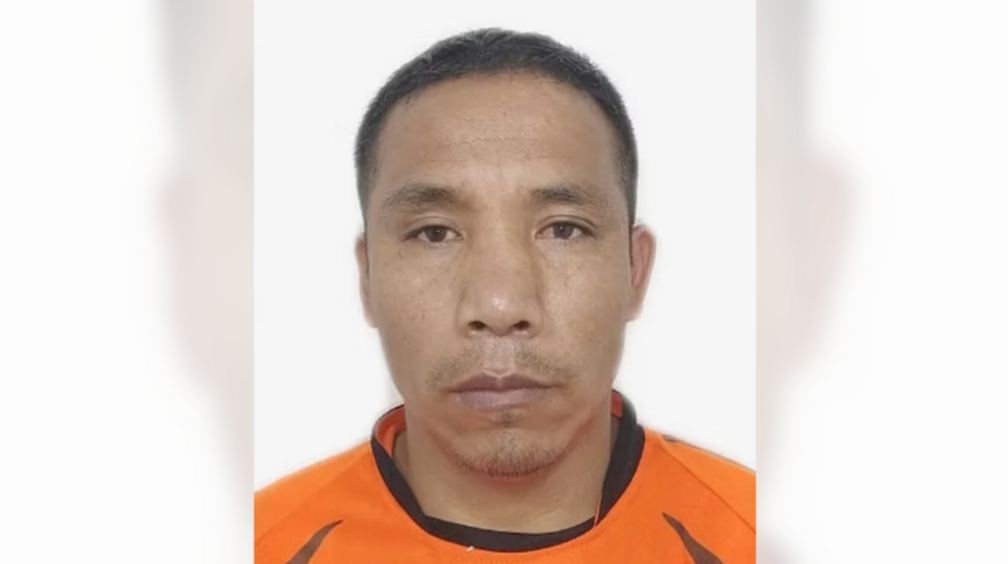
In the remote Andean district of Queropalca, a small community of fewer than 1,000 residents chose a new mayor after a margin of only 25 votes. The chosen candidate, 45‑year‑old Simeon Flores, carries first and middle names that echo two of Europe’s most infamous 20th‑century dictators – Adolf Hitler and Benito Mussolini. Although the election itself reflected typical local issues such as infrastructure and public services, the unusual name sparked headlines worldwide.
Election Details in Context
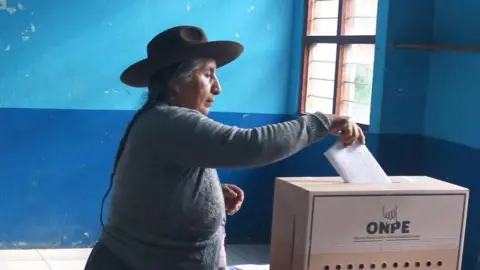
The contest pitted the center‑left Ahora Nación party against the right‑wing Renovación Popular Perú. Exit polls report that Flores received about 34% of the vote, amounting to roughly 229 ballots, while his rival secured 204 votes. Official figures from Peru’s electoral authorities indicate participation of just over 700 voters – a turnout that signals how pivotal each ballot can be in small municipalities.
Why the Name Matters
In a country where local leaders often share common names, seeing a candidate titled «Hitler Mussolini» pushes the boundary of political acceptability. The alternative perspective, as expressed by local media, is that the individual’s policy and community engagement were decisive factors for voters. Nevertheless, the notion of a mayor carrying the names of totalitarian leaders spurred widespread online discussion and international media coverage. Links to higher‑profile political figures would be mischaracterization, as the election outcome was determined by the actions of a handful of people on a single day.
Similar Cases Around the World
Political humor and identity politics can intersect in odd ways. In 2020 a Namibian election winner was named Adolf Hitler Uunona, demonstrating a cultural context in which European first names are more common. The same region has also seen a controversial mayoral race in Yúngar, where the winning candidate, Hitler Guesclin Alba Sánchez, ran on a slogan that played on his unconventional name. These events illustrate how a name can both attract and distract, depending on cultural narratives and media framing.
Implications and Reactions
International observers point out that the election is an example of democratic choice, even when a candidate’s name carries negative historical baggage. The local community has expressed confidence that the new mayor will address pressing needs such as road maintenance, water supply, and educational facilities. Statements from the mayor’s campaign team emphasize that his vision for a peaceful, inclusive development in Queropalca supersedes symbolic debate.
The event underscores the importance of personal identity in politics, reminding journalists, scholars, and the public that electoral outcomes are seldom driven purely by name recognition but by a complex mix of policy, rhetoric, and community trust.
Source: BBC News