
In brief
In a close runoff held on 7 June, 51‑year‑old Keiko Fujimori secured 50.135% of the vote, narrowly beating left‑wing challenger Roberto Sánchez. Her victory marks the fourth time she has run for Peru’s presidency and signals a potential shift toward a more authoritarian approach to organised crime and economic policy. Sánchez raised concerns of electoral irregularities, especially in overseas voting, and the opposition party has filed an appeal against the certification. The result places Fujimori alongside recently elected leaders in Colombia and El Salvador who are also campaigning on tough‑on‑crime platforms and highlights the growing trend of right‑wing politics across the region.
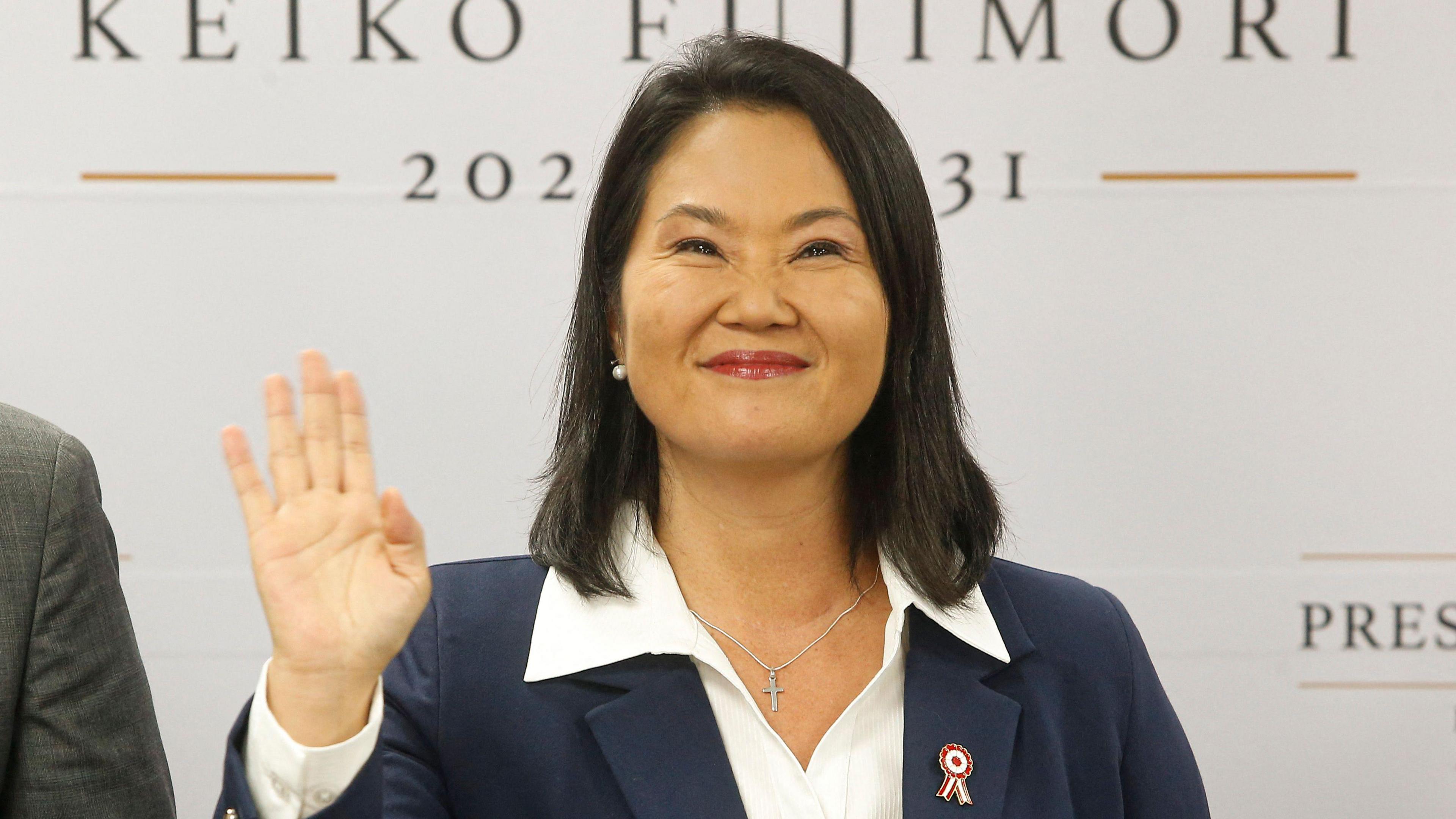
Keiko Fujimori, the daughter of now‑convicted former president Alberto Fujimori, has been declared the winner of Peru’s presidential runoff a month after the June 7 vote.
The result, certified by the electoral court, shows Keiko with 50.135% of the vote versus 49.865% for her opponent, Roberto Sánchez. A margin below fifty thousand votes underscores the contest’s razor‑thin nature.
Sánchez, 57, has accused the process of being seriously compromised, citing strong support for Fujimori overseas as evidence of irregularities. His party has appealed the court’s declaration with a call to nullify the result.
Keiko’s campaign strategy centred on a hard‑line stance against organised crime, a priority that echoes broad voter concerns over escalating extortion and violence across the country. She pledged a military crackdown and the expulsion of undocumented immigrants found to commit crimes.
The new president has also vowed to attract private investment and boost economic growth, promising to do so with “responsibility, humility and a deep sense of duty.” She framed her thin mandate as an opportunity to listen, engage and prepare for the transition.
The election’s aftermath follows a similar pattern in Colombia, where Abelardo de la Espriella won a similarly narrow contest and will take office a few days later. These results highlight a regional swing toward right‑wing leaders who challenge left‑wing governments and align themselves with former U.S. President Donald Trump’s populist agenda.
Fujimori’s swearing‑in ceremony is expected on 28 July. She will be the ninth president of Peru in a decade, joining a growing list of new Latin‑American leaders whose platforms emphasize security and capitalist reforms.


