Ecuador’s Drug War: Police Patrols in the Front Lines
Last month, BBC journalist Orla Guerin stepped onto a wet pavement in one of Quito’s northern suburbs, armed with a microphone and a reporting mission that would take her deep into the heart of Ecuador’s cocaine‑driven crime wave.
The country has become a crucial hub for cocaine exported from the world’s largest producers, Colombia and Peru. As traffickers use Ecuador’s traffic arteries to reach beyond the Andes, local gangs have grown in power, forming alliances with Mexican cartels and the Albanian mafia. According to figures from the Ministry of the Interior, Ecuador’s murder rate last year climbed to 1,050 per million—one of the highest globally, with more than 9,200 people killed.
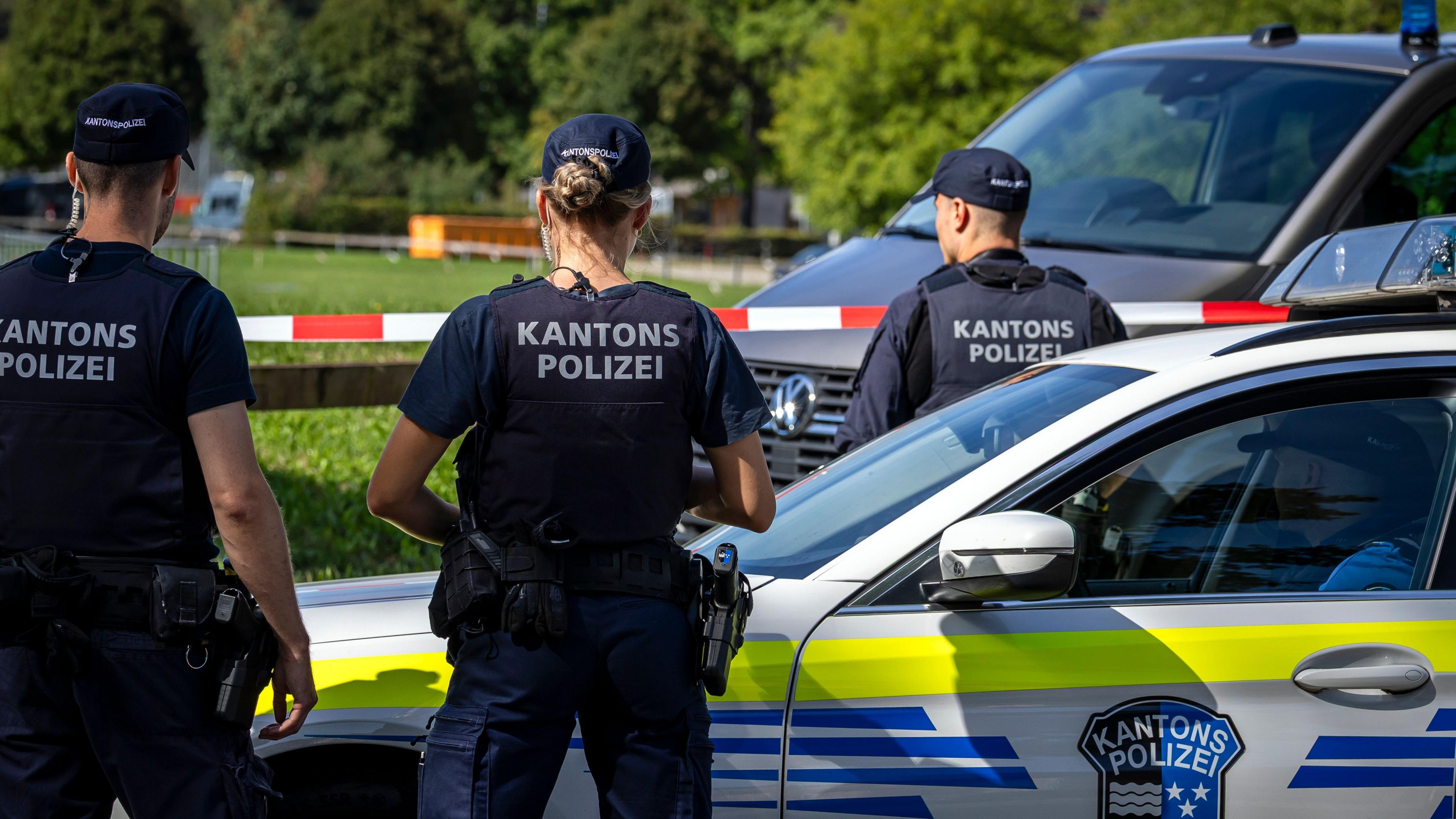
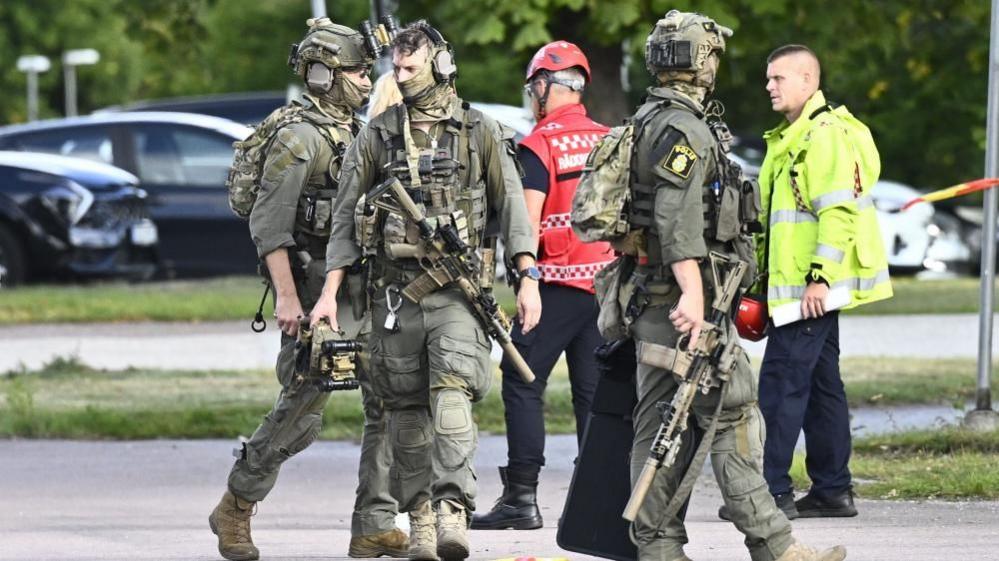
In her field report, Guerin joins police patrols that jibe through narrow streets, stopping raids on suspected nest sites and engaging in tense “equestrian” chases with armed gangsters. The footage shows traffic security units on foot and by bicycle, a surreal tableau of modern policing intersecting with the old‑world street fights that once dominated Quito’s barrios.
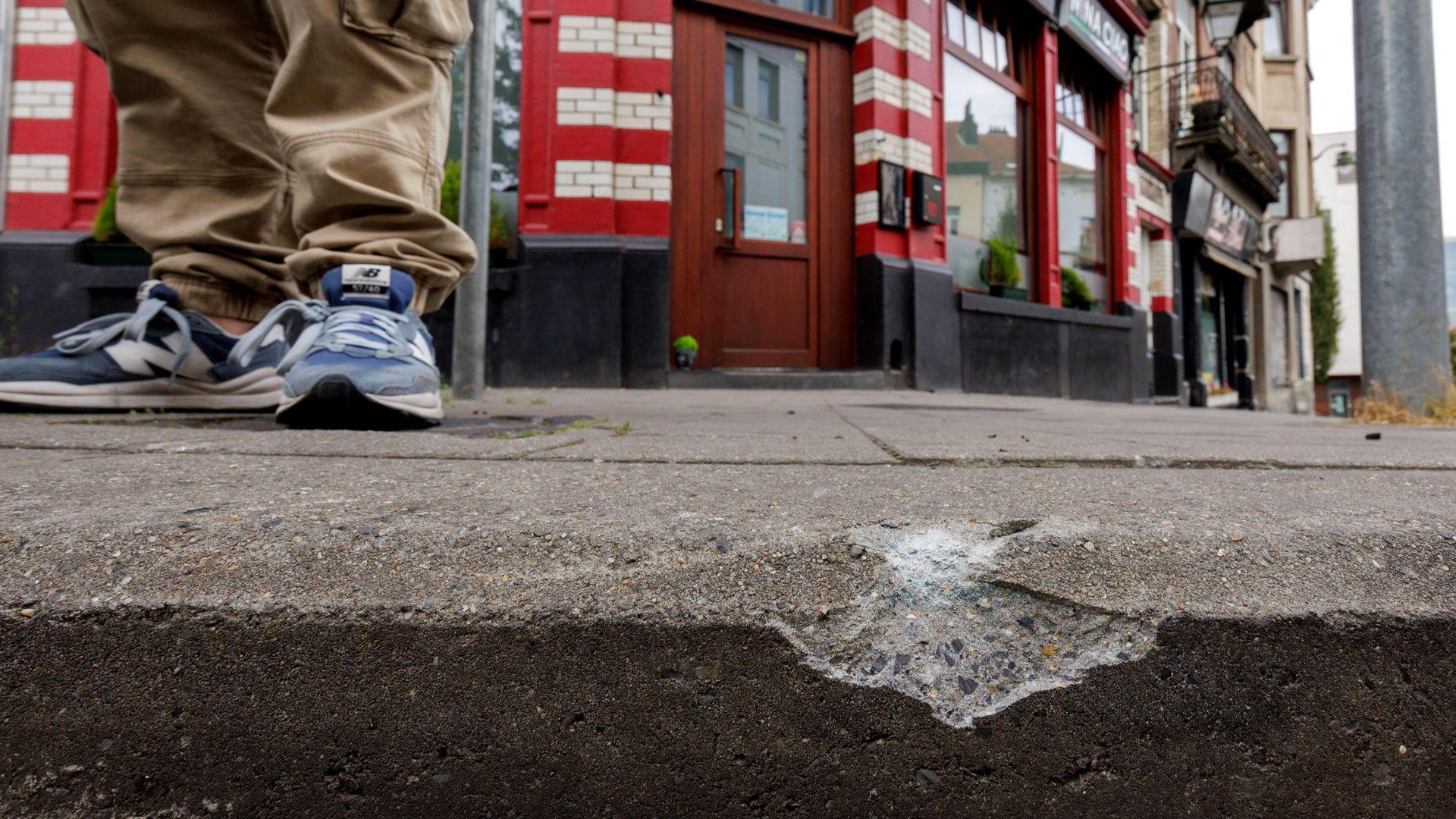
The rise in drug crimes highlights the challenges faced by Ecuadorian authorities. Local police are overworked and under-resourced while the gangs grow, acquire better weapons, and find new routes to smuggle cocaine to the United States and beyond. While the government has launched curtailing measures, the aftermath is visible on the ground: broken windows, confiscated cars, and an increasingly tense public atmosphere.
The BBC’s coverage not only underscores how the drug trade fuels violence but also humanizes those on the front lines, providing a glimpse of the daily grind for officers who are often caught between the law and ruthless organized crime.
Charge: Police baton. Guard: Camp at Q. Quito.