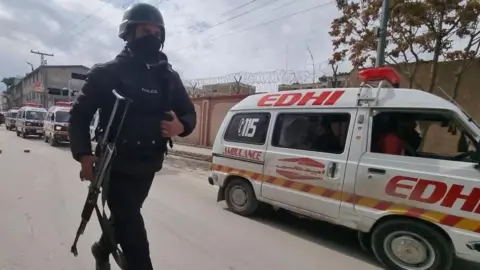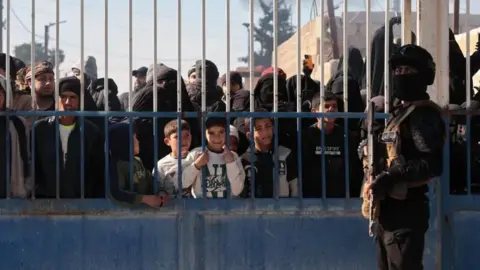
Many of the parents whose children were abducted 10 days ago from a boarding school in Nigeria are terrified - they do not want to talk to the authorities or journalists in case of reprisals from the kidnappers.
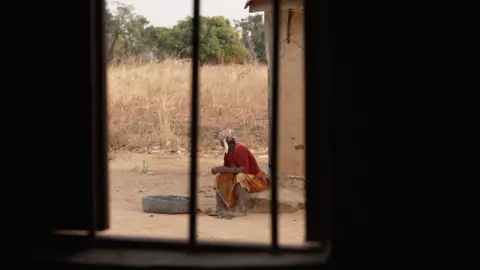
If they hear you say anything about them, before you know it they'll come for you. They'll come to your house and take you into the bush, one of them told the BBC. For his safety, the BBC is not identifying him and is calling him Aliyu.
His young son is one of more than 300 students abducted when armed men stormed the grounds of St Mary's Catholic School in Papiri village in the central state of Niger in the early hours of November 21. Some of the children taken are as young as five years old. About 250 are still reportedly missing, though state officials have said this number is exaggerated.
The incident is part of a recent wave of mass abductions in north and central Nigeria - some of which have been blamed on criminal gangs, known locally as bandits, who see kidnapping for ransom as a quick and easy way to make money.
Our village is remote, we are close to the bandits, explained Aliyu, whose son is still among the missing.
It's a three-hour drive to where they hide. We know where they are, but we can't go there ourselves; it's too dangerous. He is desperate with worry - especially as vulnerable captives kept in forest hideouts have died during previous abductions, whether from sickness or because ransoms have not been paid.
I feel so bitter, and my wife hasn't eaten for days… We're not happy at all. We need someone to help us to take action.
A few days before the Papiri kidnapping, 25 girls were taken from their school in Maga, which is 200km further north in Kebbi state. One of the students escaped before the rest were rescued by security forces.
Bandits tend to live in cattle camps deep in the bush, composed largely of ethnic Fulani people, traditionally nomadic herders.
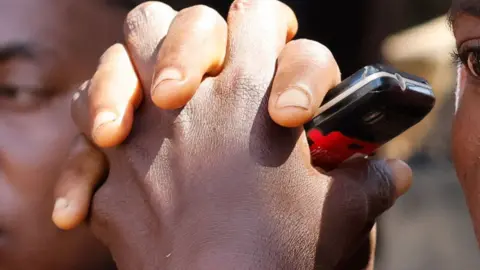
It is illegal to pay ransoms in Nigeria. However, if they are not paid, hostages can be - and have been - killed. Relatives tend to crowdfund, or, in the case of mass school abductions, the authorities are suspected of negotiating for their release.
Local sentiments reflect the fear and desperation that characterize daily life amidst rising insecurity. Families in these regions seek any means possible for protection while confronting the grim uncertainty of student safety and wellbeing.