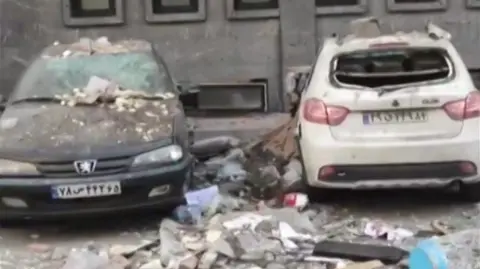
An Iranian woman who witnessed the bloody crackdown on protests in Iran has described how her neighbourhood turned into a war zone as security forces opened fire at crowds with live ammunition.
A government-imposed internet blackout in Iran, now in its third week, has prevented many accounts of what has happened from reaching the wider world.
But some Iranians who have left the country have been able to share what they have seen.
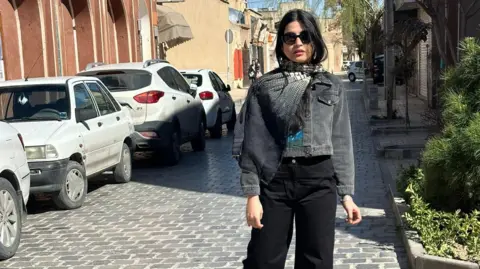
Parnia, who lives in London, told the BBC that she was visiting her family in the central city of Isfahan when the protests broke out in the capital, Tehran. They quickly spread across the country, and within days there were hundreds of protesters in the Hakim Nezami and Khaghani neighbourhoods of Isfahan.
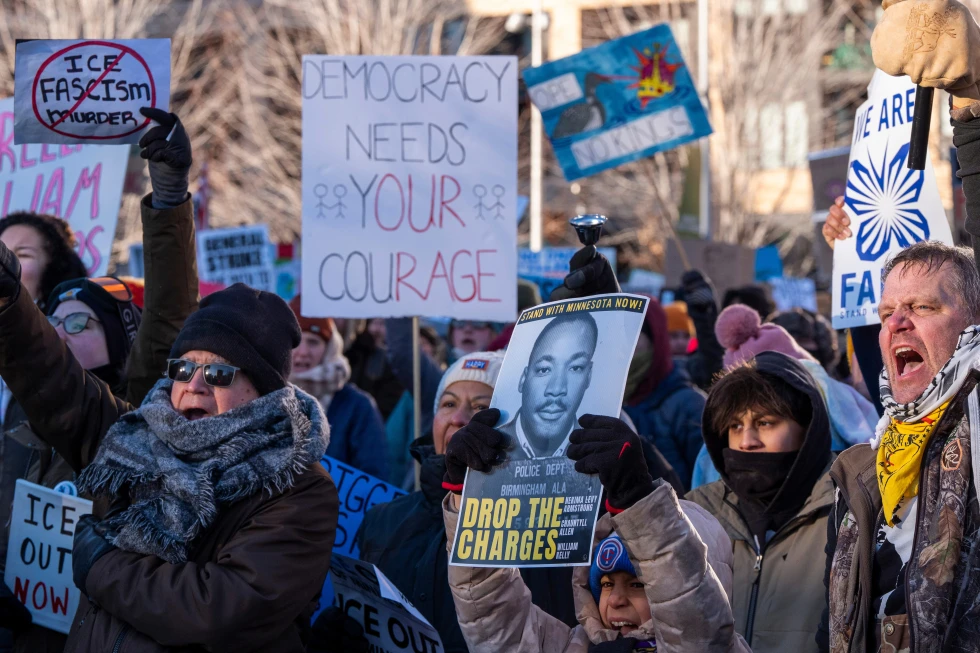
There were women and men from seven to 70 years old, she said. On just one street there were 200 to 300 people. People were chanting 'Death to the dictator' and 'Long live the shah'...
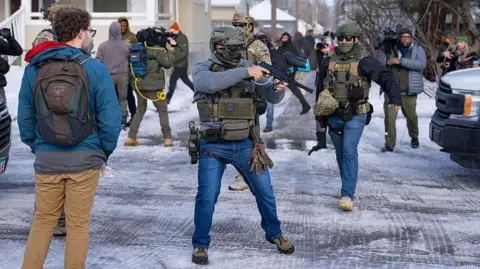
Isfahan has seen protests and crackdowns over the years, but Parnia noted that she had never seen anything like the recent unrest, sparked by anger over the collapse of the Iranian currency. Security forces first fired tear gas and then transitioned to firing birdshot, leading to panic and injuries.
I saw people getting shot and falling down, and I saw blood on the street, Parnia recounted. She described running away to seek refuge in an apartment block where wounded protesters were being treated. Videos from the event show large crowds and efforts by protesters to protect themselves amidst the violence.
The heightened tension continued with Iranian leaders justifying aggressive measures against what they labeled as 'destructive elements' amidst fears of international repercussions. Despite the chaos, Parnia still found the courage to protest that Friday, alongside fellow demonstrators hoping for international intervention.
In her account of the events post-protest, Parnia discussed the grim conditions at local clinics treating injured protesters, emphasizing the lack of communication due to ongoing internet blackouts and fear of arrest among wounded individuals.
After leaving Isfahan for Tehran, Parnia experienced first-hand the chaotic environment at the airport and learned alarming details on post-protest injuries, revealing that many victims suffered permanent damage or infections due to a lack of adequate medical care.
Parnia's determination to share her story underscores the collective struggle of Iranians against oppressive forces, as she prepares to join protests in London to support the ongoing fight for freedom in her homeland.