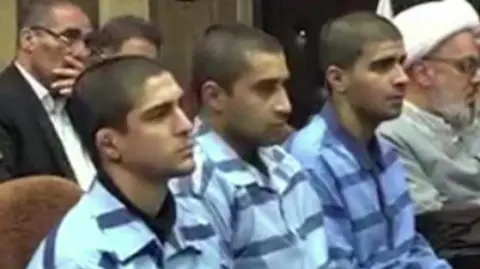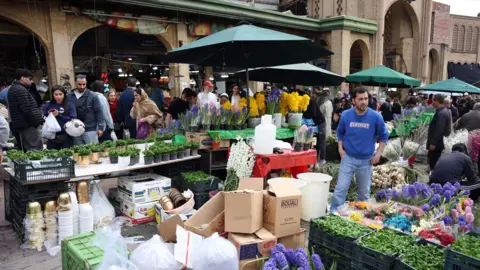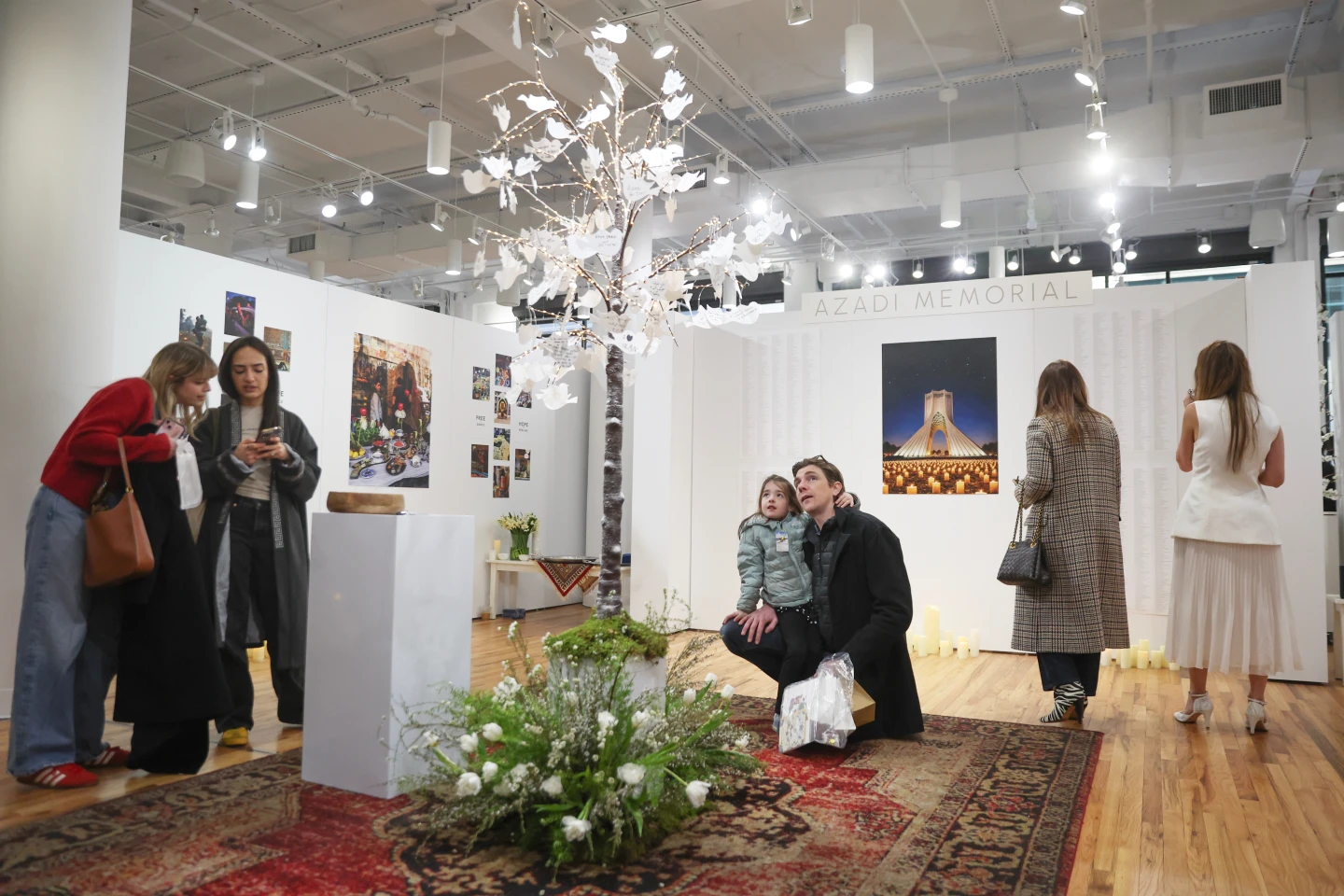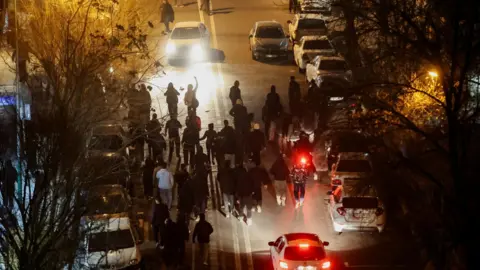
My friends are all like me. We all know someone who was killed in the protests. This heartbreaking statement from Parisa, a 29-year-old from Tehran, underscores the horrific reality of the ongoing crackdown by Iranian security forces. Parisa describes this latest wave of protests, ignited by dire economic conditions, as unprecedented, noting that she knows at least 13 victims since unrest began on December 28, 2025.
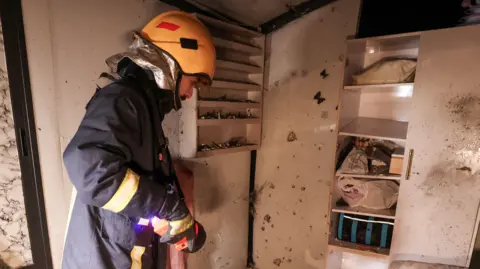
A human rights group has reported that over 6,000 individuals have died as clashes escalated between protestors and security forces in Tehran. Eyewitness accounts paint a grim picture of the violence, with protests described as peaceful before the government's violent escalation on January 8 and 9, 2026.
Another protester, Mehdi, detailed how he witnessed multiple killings by security forces, describing a scene rife with terror amidst the smoke of gunpowder and the cries of the wounded. He stated, Despite the killings on Thursday and threats of more killings on Friday, people came out, because many of them could no longer endure it and had nothing left to lose.
The crisis has seen teenagers and children caught in the crossfire, with reports indicating minors also falling victim to the violence. As the anger amongst citizens grows, many express fear about reporting the deaths openly, as well as loss of communication due to government-imposed internet blackouts.
Reports of refusals to release the bodies of those killed to their families in exchange for exorbitant fees have surfaced, adding further torment to already grieving families and making the accurate compilation of death tallies more challenging.
As the Iranian authorities depict protestors as rioters, the international community watches closely, with increasing calls for accountability over the violence and a restoration of communication services. The growing unrest is a profound indicator of the nation’s struggle between governance and the public’s desperate demand for fundamental change.