My friends are all like me. We all know someone who was killed in the protests.
For Parisa, a 29-year-old from Tehran, the crackdown by security forces in Iran earlier this month was unlike anything she had witnessed before.
In the most widespread previous protests, I didn't personally know a single person who had been killed, she said.
Parisa noted that she knew at least 13 individuals who had died since protests erupted over deteriorating economic conditions on December 28, escalating into one of the bloodiest anti-government uprisings in the nation's history. Human rights groups report the death toll has exceeded 6,000.
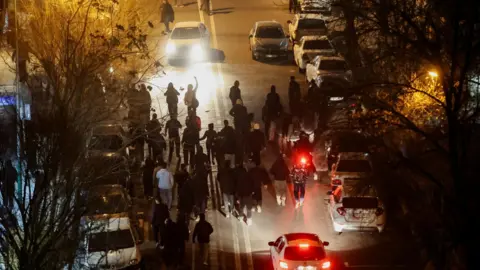
One friend, a 26-year-old woman, was struck down by bullets during the protests on January 8 and 9. Parisa participated in peaceful demonstrations in northern Tehran but described how security forces fired upon the crowd without provocation.
Another protester, Mehdi, 24, recounted witnessing the violence firsthand. I had never seen anything even close to this level of turnout and such killings, he said, recalling the shocking sight of young individuals shot down right in front of him.
The US-based Human Rights Activists News Agency indicates at least 6,159 deaths, including 5,804 protest-related fatalities, with the alarming potential for these numbers to rise further. Iranian authorities contest the figures, attributing most deaths to security personnel or bystanders caught in the crossfire described as riots orchestrated by foreign instigators.
Activists report harrowing schemes employed by officials to deny families the bodies of their deceased loved ones unless they pay exorbitant fees or falsely label the deceased as members of security forces killed in action, aiming to obscure the true death toll and suppress further dissent.
As the Iranian government maintains near-total internet connectivity shutdowns, local voices are often silenced, exacerbating the trauma. Protesters describe gut-wrenching personal losses amid ongoing state brutality.
The world watches as Iran grapples with its internal strife, invoking both national sorrow and global outrage.