In brief
Hundreds of thousands of demonstrators took to the streets across France to protest rising living costs and poor school conditions. While the first day was largely peaceful, the second saw tear gas, water cannon and riot police in a series of confrontations that left nearly a thousand arrested. Across cities from Paris to Marseille, flames illuminated makeshift barricades, shops were looted and a series of arrests and injuries unfolded. The unrest comes ahead of the presidential election and sparks debate over state response, policing tactics and public discontent.
Nearly 1,000 people were detained by French police after Saturday’s protests turned violent, following a largely peaceful first day of demonstrations across the country. Large crowds marched in cities such as Paris, Marseille and Bordeaux, demanding action on the cost of living, poor schooling and a sense of governmental indifference.
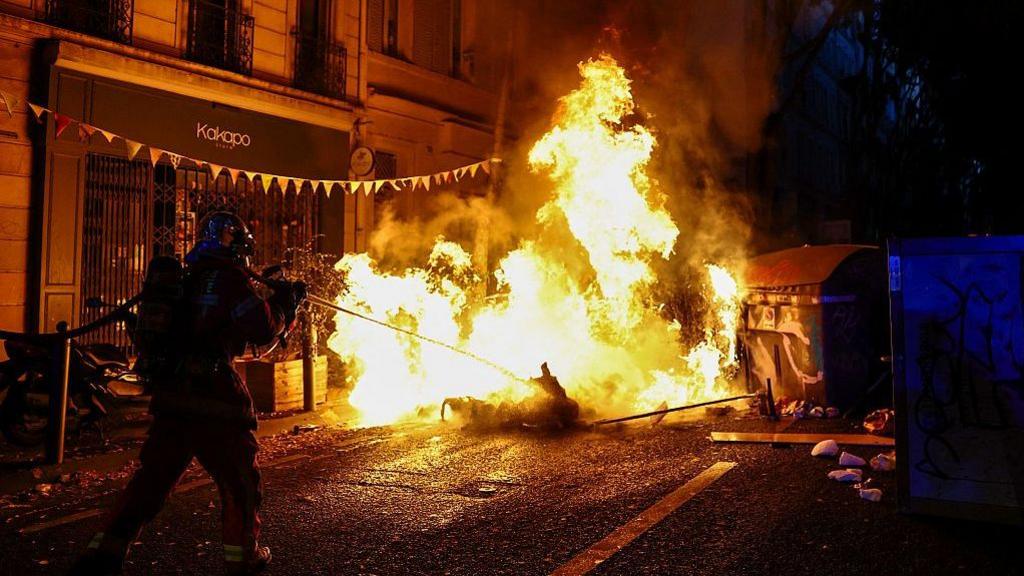
While the earlier marches were calm, police responded with tear gas and water cannon as protestors in Paris marched from the Porte d’Italie to the Porte de Vincennes. A force of riot police deployed an elite unit normally handling organised crime and counter‑terrorism to quell the unrest. The use of force escalated quickly: barricades set alight, windows shattered and froth‑colored spray filled the air.
Across the country, the scale of the incidents varied. In Marseille, rubbish bins burned and metal sheets blocked streets. In Bordeaux, protestors removed boards from a shop’s façade to build barricades. Lyon saw tear gas fired on a crowd outside a restricted area. In Toulouse and Clermont‑Ferrand, two protesters suffered serious injuries from crowd control ordnance.
Pressures to avert looting and widespread destruction saw the Interior Minister decree that only demonstrations sanctioned by recognized trade unions would be permitted. The French President has faced criticism for high taxes and heavy security presence. Two hundred fifty‑plus people were arrested in the earlier wave and a further 700 were detained on Saturday, with the total expected to rise.
Statements from protestors paint a picture of fatigue and frustration. A 26‑year‑old woman named Zelie said her generation feels held hostage by a state that takes money and silence. Teenager demonstrators echoed a sense of abandonment, demanding visible responses to their grievances rather than a continued cycle of violence.
The unrest fell in line with other European demonstrations that same weekend – from Turin to Brussels – amid escalating cost pressures. Over 550,000 people participated last week’s protests, culminating in more than 2,500 arrests and an estimated hit to the economy of several hundred millions of euros.
With France’s presidential election nine months away, the current crisis fuels debate among rivals over accountability and the future direction of public policy.