In brief
After a week of unprecedented riots that saw looting and violence across France, government forces are on the alert for the next wave of protests slated for Saturday. Although only trade‑union organised demonstrations are officially permitted, students, unions and other anti‑government groups are planning hundreds of rallies nationwide. Paris and key provincial cities are under curfew‑like restrictions and many public venues remain closed. President Macron has addressed student leaders, pledging reforms while warning that the government will not tolerate violence. The coming protests could trigger a clash between far‑left "gilets jaunes" and right‑wing National Rally supporters at a staged conference in Orléans, potentially stoking further national tension as French voters head to the polls.
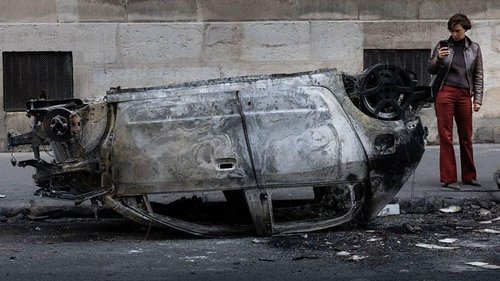
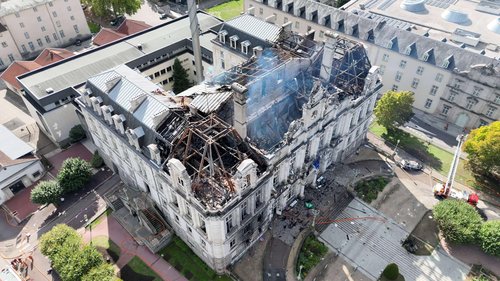
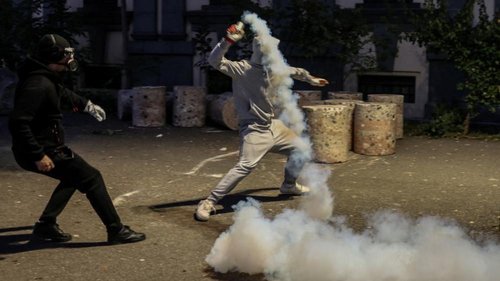
France is on high alert ahead of nationwide protests on Saturday, a week after the country saw some of its worst unrest in decades.
The interior ministry plans to deploy 70,000 police officers across French cities to curb potential violence, following accusations that the government failed to anticipate the scale of the 17 October riots. Interior Minister Laurent Nunez warned that the state would act “uncompromisingly” on vandals, looters and those planning to incite violence, citing a surge of far‑left extremist posts on social media.
Hundreds of thousands of protesters—students, trade‑union members and broader anti‑government groups—are expected to gather in Paris and other urban centres. A decree this week allows only demonstrations organised by recognised trade unions to take place on Saturday. Major cities such as Lyon, Nice and Montpellier have implemented blanket bans, while others, like Marseille, have relaxed earlier orders to permit union‑led marches.

Some public buildings and businesses across France have been boarded up ahead of Saturday’s protests.
While the Louvre, Orsay and Picasso museums will be closed on Saturday, a home match for Paris Saint‑Germain has been moved to Monday. Rezeddar in a small section of the city has already begun paling down the street and mounting signs to deter looters.

Leaders of student groups spoke to the media after holding talks with President Emmanuel Macron on Friday.
In a stark sign of how student‑led movements have broadened into a widespread anti‑government stance, the revived Yellow‑Vest movement reportedly plans over 500 demonstrations and 200 additional actions on Saturday, demanding the resignation of Mr. Macron.
Justice Minister Gérald Darmanin confirmed that 232 people had been imprisoned for their roles in the 17 October riots, with more than 1,100 facing court today. He has ordered that convictions for looting or attacking police be followed by bans on future participation in demonstrations, loss of voting rights, and social‑media restrictions.
The country remains deeply split on how to handle the unrest. Left‑wing leaders, such as Jean‑Luc Mélenchon of La France Insoumise, accuse the government of heavy‑handed policing and pledge to rally supporters once more. Conversely, the hard‑right National Rally’s upcoming conference in Orléans may become a flashpoint, as the party’s thousands of supporters anticipate a spirited gathering at Marine Le Pen’s venue.
With President Macron set to step down next spring, France faces the most divisive election cycle in years, and the coming Saturday may be a pivotal moment that could shift the political landscape.
©BBC. All rights reserved.