In brief
U.S. citizen Stephen Hubbard spent four‐and‑a‑half years in Russian prison after being seized during the 2022 invasion of Izyum. Former Ukrainian soldiers, detained alongside him, describe repeated beatings, electro‑shock, and forced humiliation by guards who treated Hubbard as a mercenary. He was denied adequate food and medical care, left to suffer in sub‑freezing cells, and was hidden from humanitarian observers. Hubbard was finally freed on the same day U.S. envoy Steve Witkoff met Vladimir Putin, amid a controversial diplomatic exchange. His release raises questions about accountability for alleged torture and the broader human rights implications of the war.
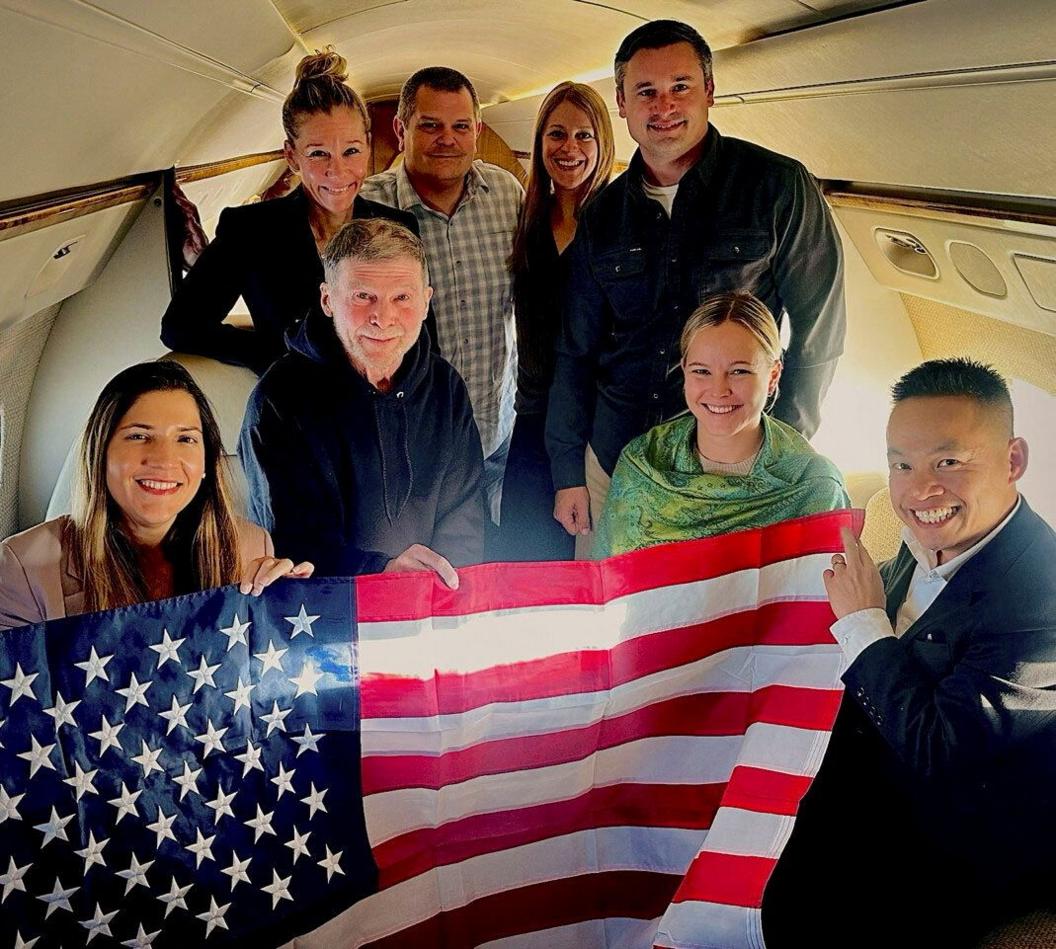
U.S. citizen Stephen Hubbard spent four‑ and a‑half years in Russian detention after his capture in April 2022 during Russian forces’ occupation of Izyum. He was tried in Moscow, convicted as a mercenary, and sentenced to six years and ten months. Hubbard remained imprisoned until October 2026, when he was released the day U.S. Special Envoy Steve Witkoff met President Vladimir Putin in St Petersburg.
Former Ukrainian soldiers who were held beside him in Novozybkov and later at Pakino, Dmytro Khyliuk and Ihor Shyshko, describe a brutal regime. They say guards repeatedly beat Hubbard on his legs, back and arms, applied a stun‑gun to his neck, and prevented him from eating or receiving proper medical care. Khyliuk noted that the cold in the cells was so severe that prisoners huddled together in the bathroom for warmth.
Shyshko recounts that Hubbard was forced to learn and repeat the Russian prison schedule in a language he could not read, was required to sing the national anthem in a manner that mocked his American citizenship, and endured repeated humiliating remarks. He also alleges that guards subjected Hubbard to sexual humiliation and abuse for their entertainment, a claim echoed by Hubbard’s family and corroborated by both veterans.
The two former prisoners also claim that Russian authorities hid Hubbard’s worsening physical condition from the International Red Cross during a 2024 visit, so the organization was unaware of his severe wounds and rotting injuries. The ICRC later stated that it seeks to view every individual it is granted access to, in order to assess detention conditions accurately.
Khyliuk, who returned to Ukraine in August 2025 in a prisoner exchange, likened the conditions to the Stalin era, describing them as a “torture machine” that psychologically, physically, and nutritionally stripped inmates of dignity. He expressed relief at Hubbard’s release but criticized the timing as a political move amid U.S. domestic politics.
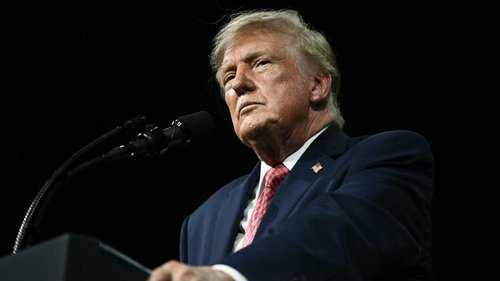
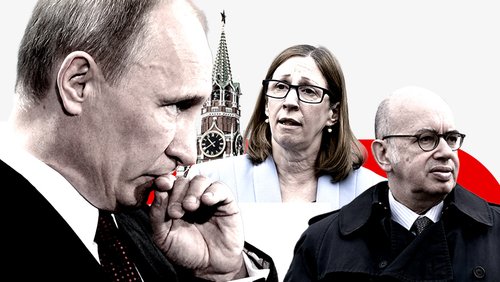
U.S. President Donald Trump reportedly called Russian President Putin the week before Hubbard’s release to urge his freedom. During the meeting, Witkoff praised Putin as a ‘humanitarian’, a statement that drew international criticism given the ongoing conflict in Ukraine. The release remains the only known compensation offered by Russia for its wartime actions in the region.
Hubbard’s case underscores the challenges of holding actors accountable for alleged torture and upholding international human rights norms in conflict zones. It also raises the question of how diplomatic negotiations may be used to secure the release of detained individuals, even as a broader war continues. The OnPoint team will continue to monitor developments, providing real‑time updates and in‑depth analysis of the wider implications for U.S. foreign policy and the rule of law in the post‑war era.