In brief
In a tightly contested parliamentary election, Serbia’s Student List—assembled by university students over two years—has become the fiercest challenge to Aleksandar Vučić, prompting the incumbent to defend his long‑running grip on power. The movement, drawing support from a diverse pool of academics, athletes and engineers, represents a grassroots push for greater accountability and open society. Vučić, the longest‑serving prime minister and president since 2012, counters with promises of economic stability and national unity. With rallies in Slavija Square rallying 150,000 supporters for the Student List and the SNS consolidating its media and political apparatus, the nation faces a choice between a single‑man leadership and a collective, protest‑driven future.
If Sunday’s parliamentary elections are a battle for the heart of Serbia, the Student List has become the heart‑breaker, turning the political arena into a crowded stadium in Belgrade’s Slavija Square. The movement, formed over nearly two years of student‑led protests after a deadly railway station collapse in Novi Sad, is now running 250 candidates with Professor Ilija Srdanović at the top of the list—yet he is not the movement’s boss or the tentative prime‑ministerial choice if their list wins.
Vučić, who has been deputy prime minister, public security chief and president since 2012, broke off his presidency last month to contend again for the prime‑minister’s office. He portrays himself as a strong, decisive leader who has driven Serbia’s economic growth and upgraded infrastructure—most notably the high‑speed rail link to Budapest that was hit by the Novi Sad disaster. Critics claim the SNS, his Serbian Progressive Party, dominates state institutions and the media.
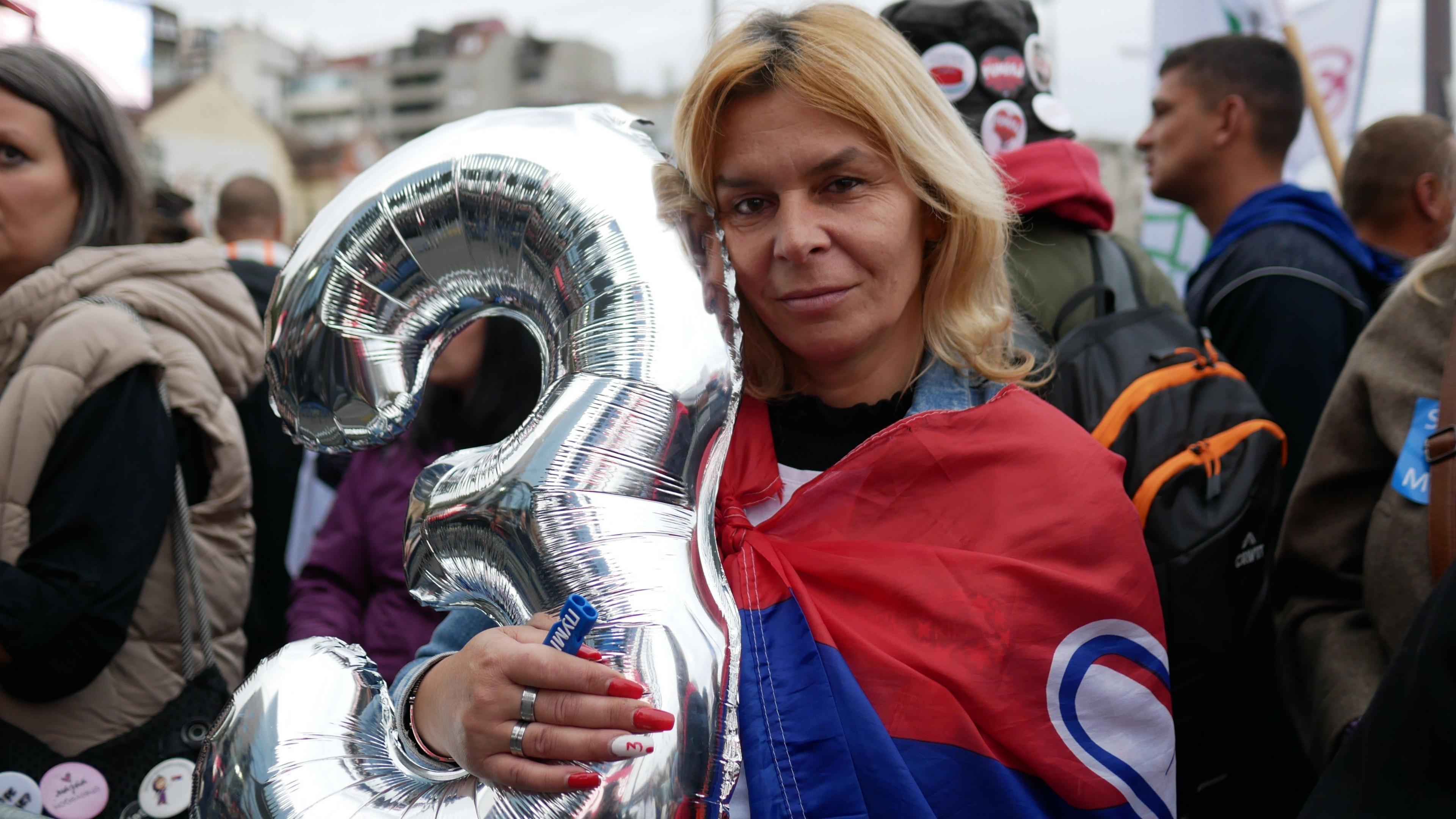
The Student List rejects a hierarchy. It welcomes candidates from academia, sports, economics, engineering—none of whom have political experience—and presents a vision of civilised society, free speech, and safety for all citizens. Attendees at a final rally on the night before voting were reported to number around 150,000, a stark contrast to the SNS’s cohort of media‑controlled support.
Polls are thin, but analysts predict a neck‑and‑neck contest. Vučić’s opposition includes accusations that the Student List is foreign‑backed and aims to topple the state, while the movement argues that Venezuela’s strong leadership there has no relevance to Serbia. The stakes are high: EU accession talks, ties with Russia and China, and the fate of Kosovo’s status all hang in the balance.
The upcoming votes may decide whether Serbia will continue under a single‑person charismatic rule or a new collective direction led by young, non‑career politicians. On election day, every ballot cast will be a decisive heartbeat for Serbia’s future.