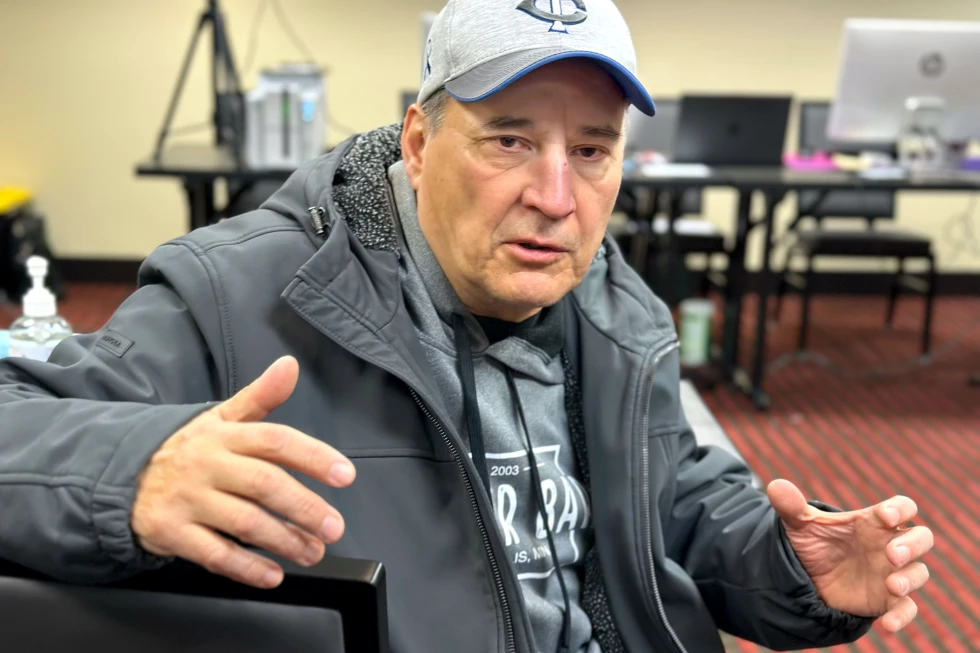
MINNEAPOLIS — The heightened presence of U.S. Immigration and Customs Enforcement (ICE) in Minneapolis has prompted many Native Americans to take proactive steps to protect their civil rights. Shane Mantz, a member of the Choctaw Nation, recently retrieved his tribal citizenship card and placed it in his wallet, reflecting the sentiments of others who fear that their identity could be misjudged or questioned by federal agents. Mistaken for Latino by some, Mantz and many in his community are now carrying tribal documents to prove their U.S. citizenship in case of questioning by ICE personnel,
As fears of immigration raids grow, tribal nations across the country have begun waiving fees and streamlining the process for obtaining tribal IDs. This historical movement marks the first time these IDs have gained recognition as valid proof of citizenship in the face of increasing scrutiny, according to David Wilkins, an expert on Native politics.
In a poignant statement, Jaqueline De León, a senior attorney with the Native American Rights Fund, expressed the absurdity of Native Americans needing to affirm their citizenship, stating, As the first people of this land, there’s no reason why Native Americans should have their citizenship questioned. Despite numerous requests, the U.S. Department of Homeland Security has not commented on this evolving situation.
Beginning in the late 1960s, many tribal nations took the initiative to issue their own identification methods, making tribal photo IDs more prevalent in various daily functions, including voting and employment eligibility.
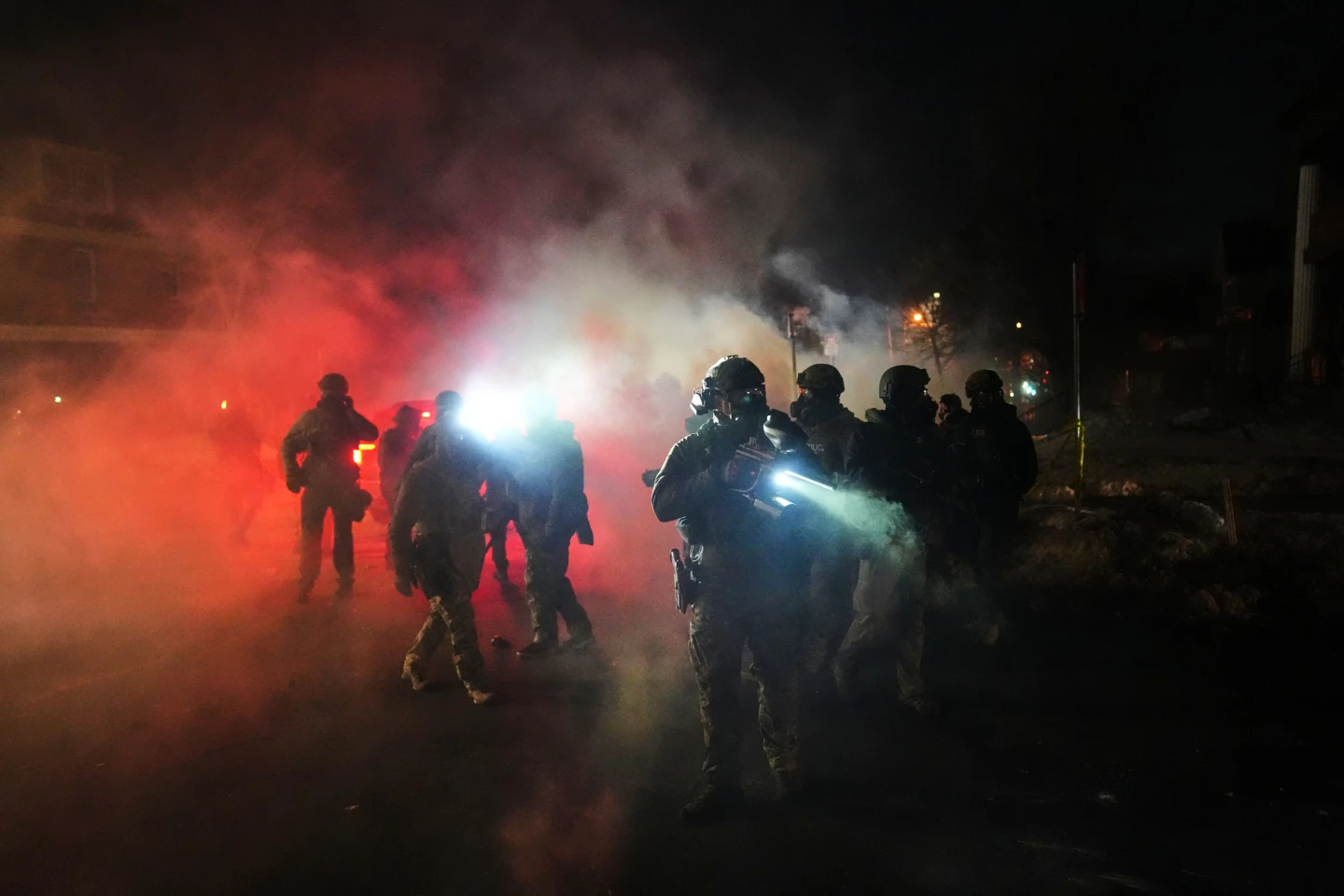
Recently, an ICE operation in January led to a significant increase in arrests within the Twin Cities, alarming many residents. Community events have since emerged in Minneapolis to assist tribal members in obtaining their IDs swiftly, showcasing a united effort as representatives from multiple tribes traveled hundreds of miles, encouraging those unable to visit their reservations for identification assistance.
Concerns have intensified regarding ICE's treatment of Native individuals, with reports of racial profiling and detentions contributing to fear within the community. Various tribal leaders, including Navajo Nation President Buu Nygren, have urged their citizens to maintain their IDs at all times, further emphasizing the urgency of the situation.
For many, including Mantz, possessing these identification documents is an act of self-preservation. He poignantly articulated, It gives me some peace of mind. But at the same time, why do we have to carry these documents? Who are you to ask us to prove who we are?\
As fears of immigration raids grow, tribal nations across the country have begun waiving fees and streamlining the process for obtaining tribal IDs. This historical movement marks the first time these IDs have gained recognition as valid proof of citizenship in the face of increasing scrutiny, according to David Wilkins, an expert on Native politics.
In a poignant statement, Jaqueline De León, a senior attorney with the Native American Rights Fund, expressed the absurdity of Native Americans needing to affirm their citizenship, stating, As the first people of this land, there’s no reason why Native Americans should have their citizenship questioned. Despite numerous requests, the U.S. Department of Homeland Security has not commented on this evolving situation.
Beginning in the late 1960s, many tribal nations took the initiative to issue their own identification methods, making tribal photo IDs more prevalent in various daily functions, including voting and employment eligibility.
Recently, an ICE operation in January led to a significant increase in arrests within the Twin Cities, alarming many residents. Community events have since emerged in Minneapolis to assist tribal members in obtaining their IDs swiftly, showcasing a united effort as representatives from multiple tribes traveled hundreds of miles, encouraging those unable to visit their reservations for identification assistance.
Concerns have intensified regarding ICE's treatment of Native individuals, with reports of racial profiling and detentions contributing to fear within the community. Various tribal leaders, including Navajo Nation President Buu Nygren, have urged their citizens to maintain their IDs at all times, further emphasizing the urgency of the situation.
For many, including Mantz, possessing these identification documents is an act of self-preservation. He poignantly articulated, It gives me some peace of mind. But at the same time, why do we have to carry these documents? Who are you to ask us to prove who we are?\