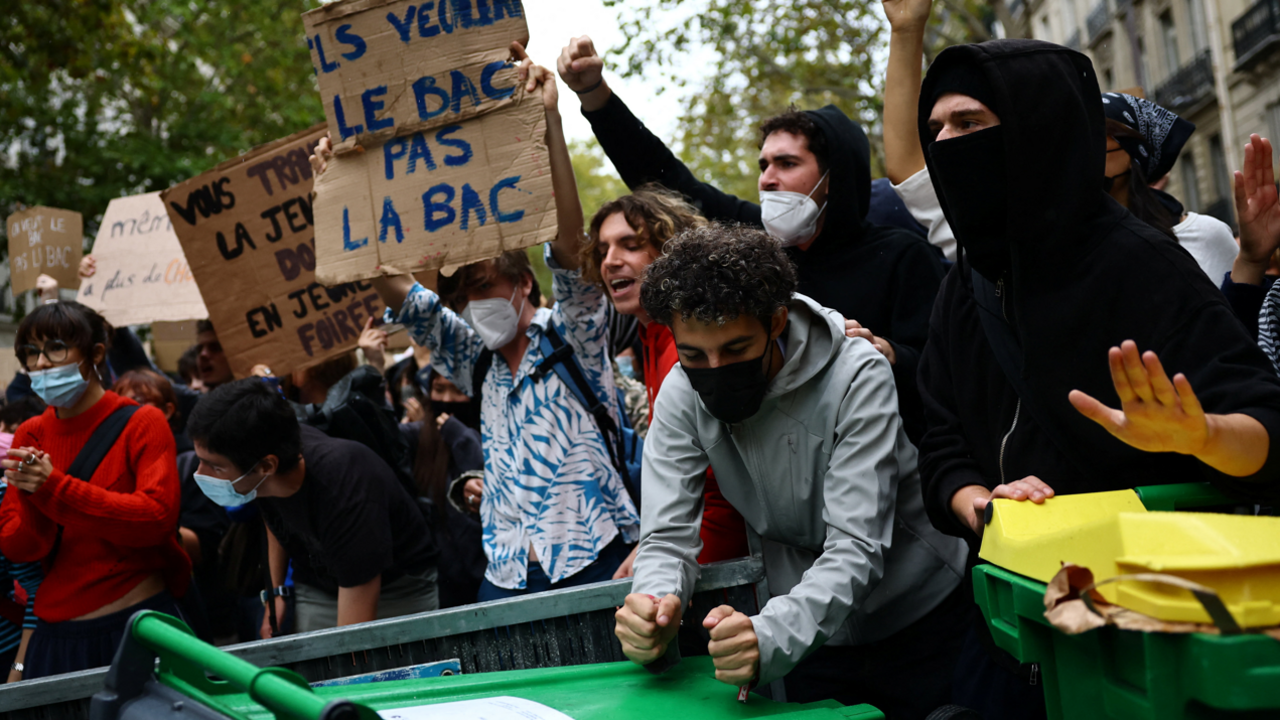
Nationwide Student Protests Erupt Over Education Underfunding and Long School Days

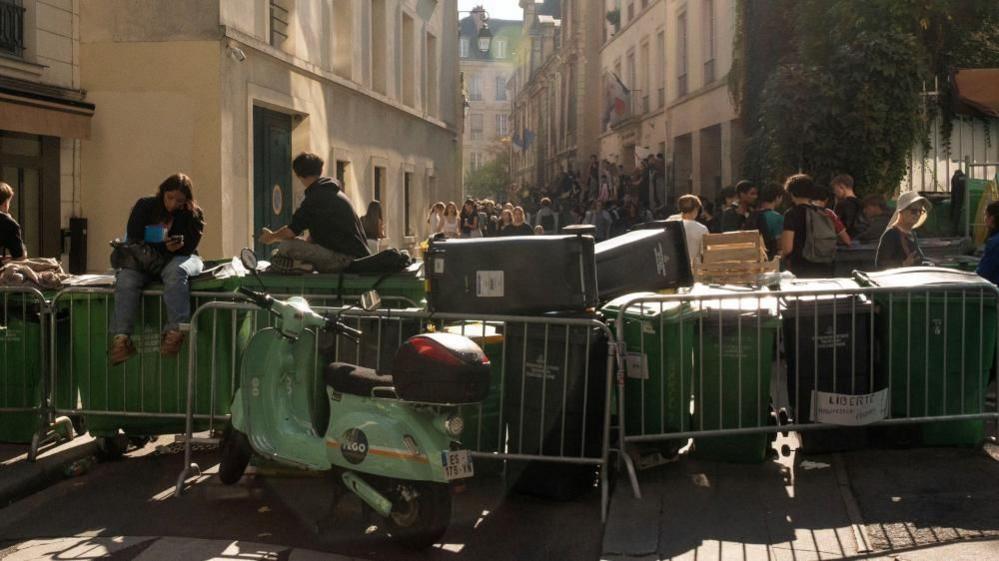
Since late‑September, students across France have taken to the streets, blocking dozens of lycées to protest what they describe as chronic underfunding, staff shortages, and failing school infrastructure.
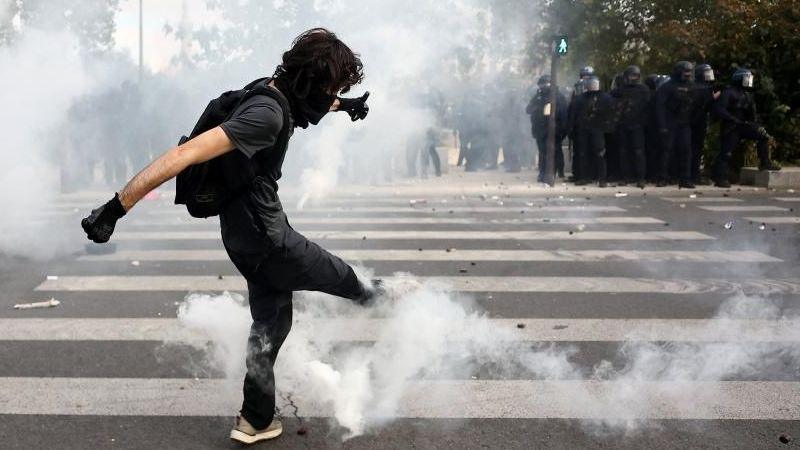
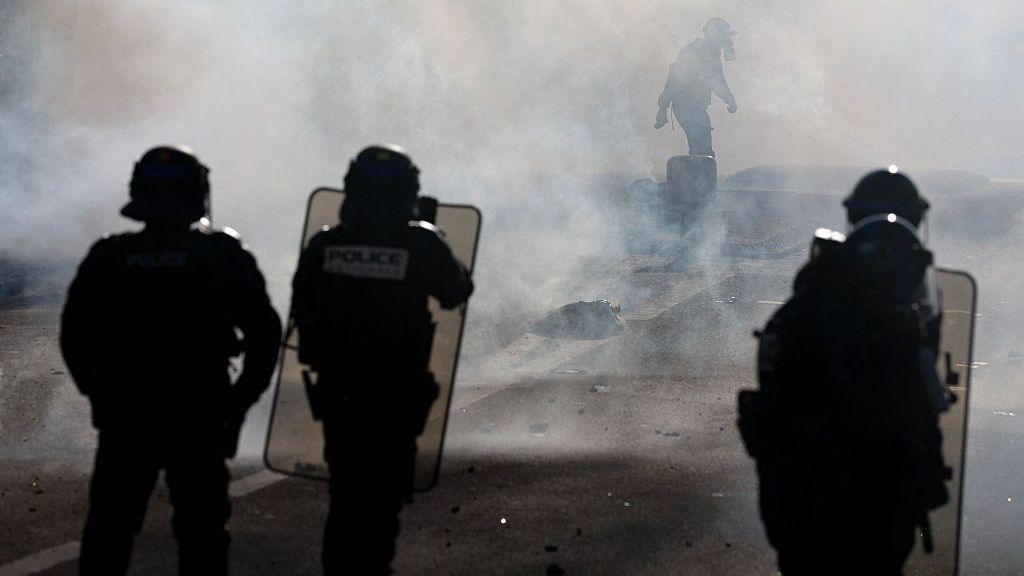
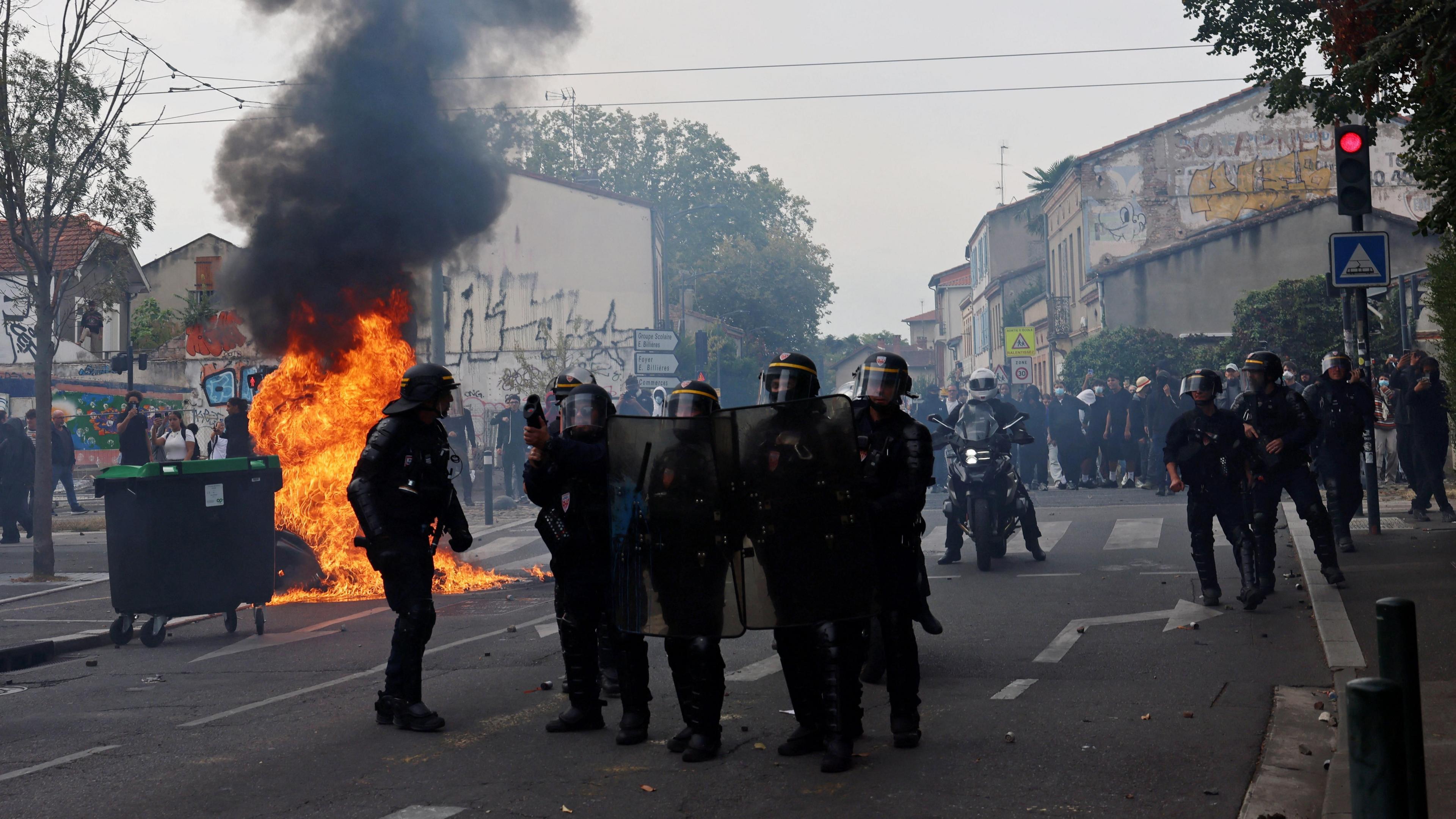
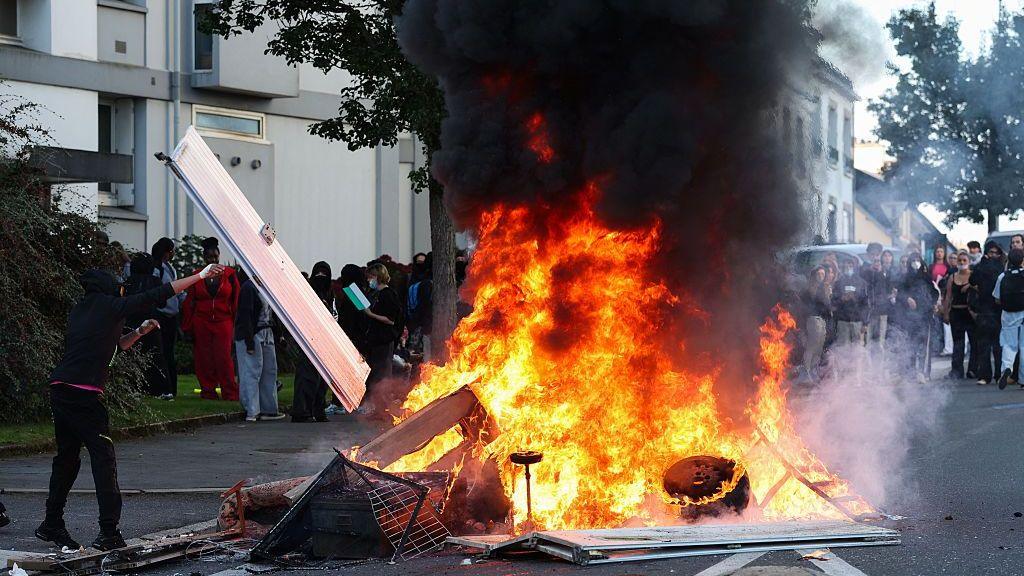
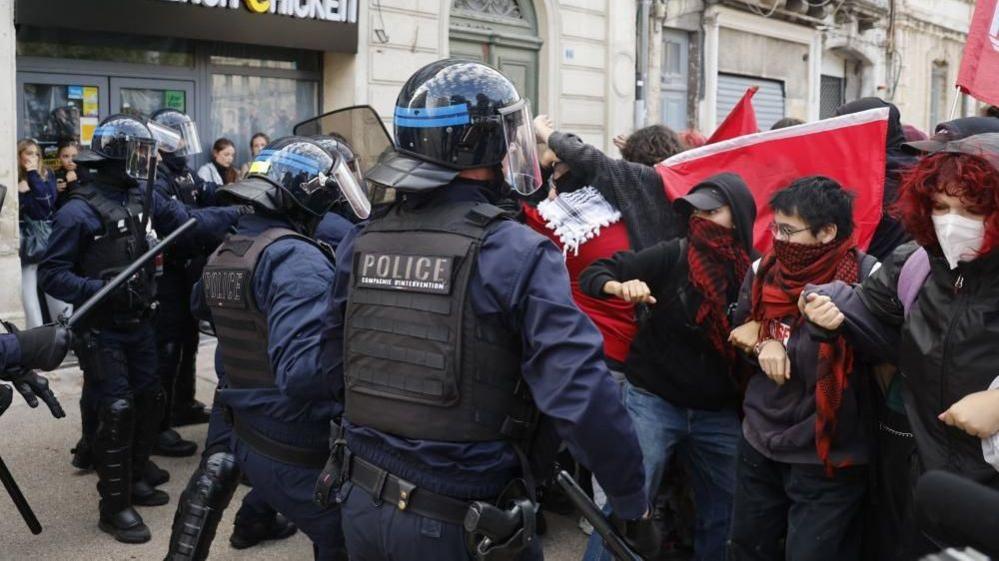
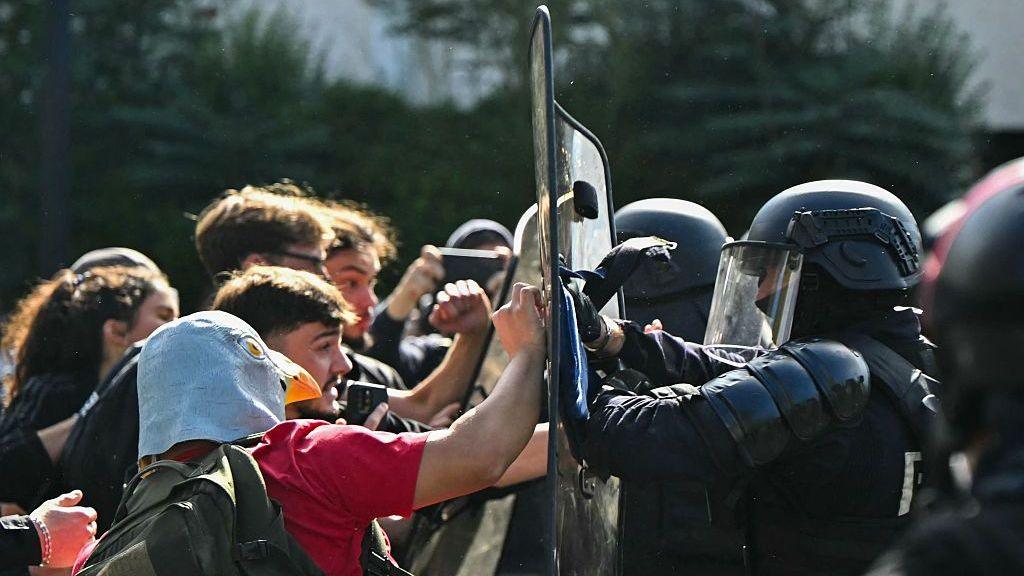
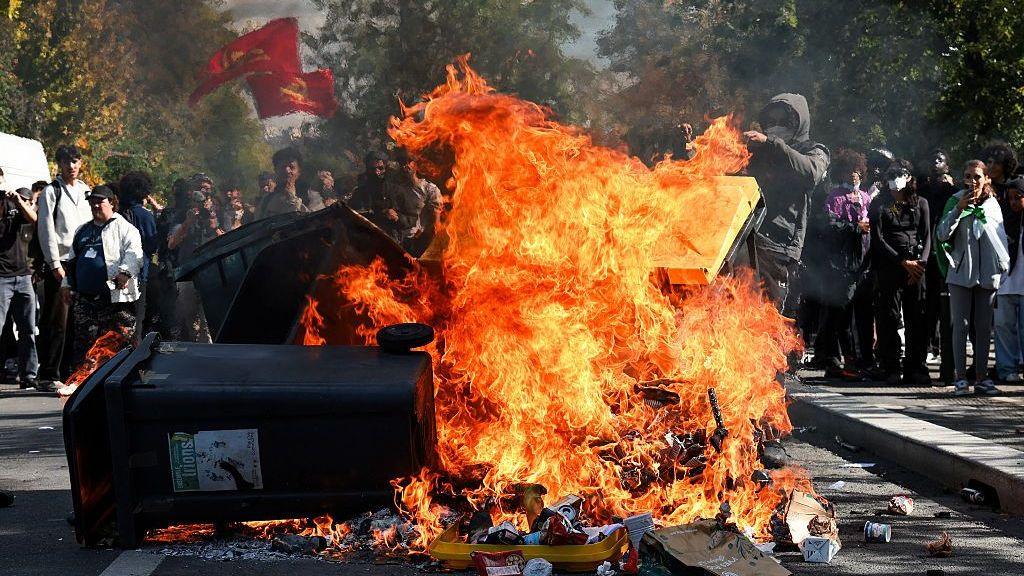
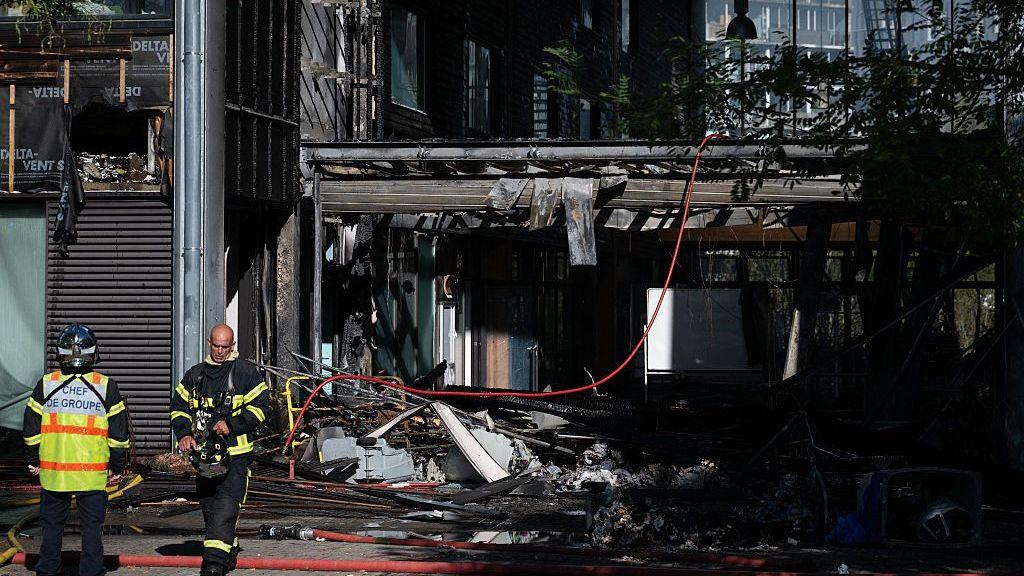
The movement has escalated into violence in several locations, with hundreds of students, teachers and police officers injured. Authorities report thousands arrested, including a number of non‑students drawn into the clashes.
Students cite a range of grievances: teachers often go weeks without replacement, classrooms are in disrepair, and buildings sometimes become unbearably hot during heat waves. Long school days—driven by extended lunch breaks and complex curricula—leave pupils exhausted by 19:00, leaving little time for rest or study. Other complaints include the ban on mobile phones in school and a perception that schools are “over‑packed.”
The Parcoursup platform that assigns university places is also a flashpoint. With about 80% of cohorts passing the baccalauréat, students scramble for desirable courses, creating anxiety around a system many view as opaque and unfair.
Surprisingly, France’s per‑student spending on lycées exceeds the EU average, yet teacher shortages are not worse than in other OECD countries: fewer posts go unfilled, but salaries are relatively low. Long days are more a result of societal norms—long lunch breaks and course rotations—than an attempt to compensate for fewer holidays.
While these concrete issues fuel discontent, the sheer scale of the protests—wide‑wide school blockades, mass crowds, and violence—is rooted in a longstanding tradition of street activism in France. The 1990 rape at a Seine‑Saint‑Denis school sparked mass rallies, leading to €1.2 bn in new funding and 14,000 new teachers. A 1998 march of 500,000 students secured another €1 bn for renovation and additional staff. The 2006 revocation of youth employment reforms following violent blockades underscored the power of protest.
The current movement enjoys broad public support: a recent BFMTV poll suggests 72% of French citizens view the demands as legitimate and 55% back the protest. It is backed by teachers, labour unions, and left‑wing politicians, while the government faces a difficult fiscal landscape—public debt at a 1940s high, a 5.4% GDP deficit, and a budget that may remain bottlenecked by a sharply divided parliament.
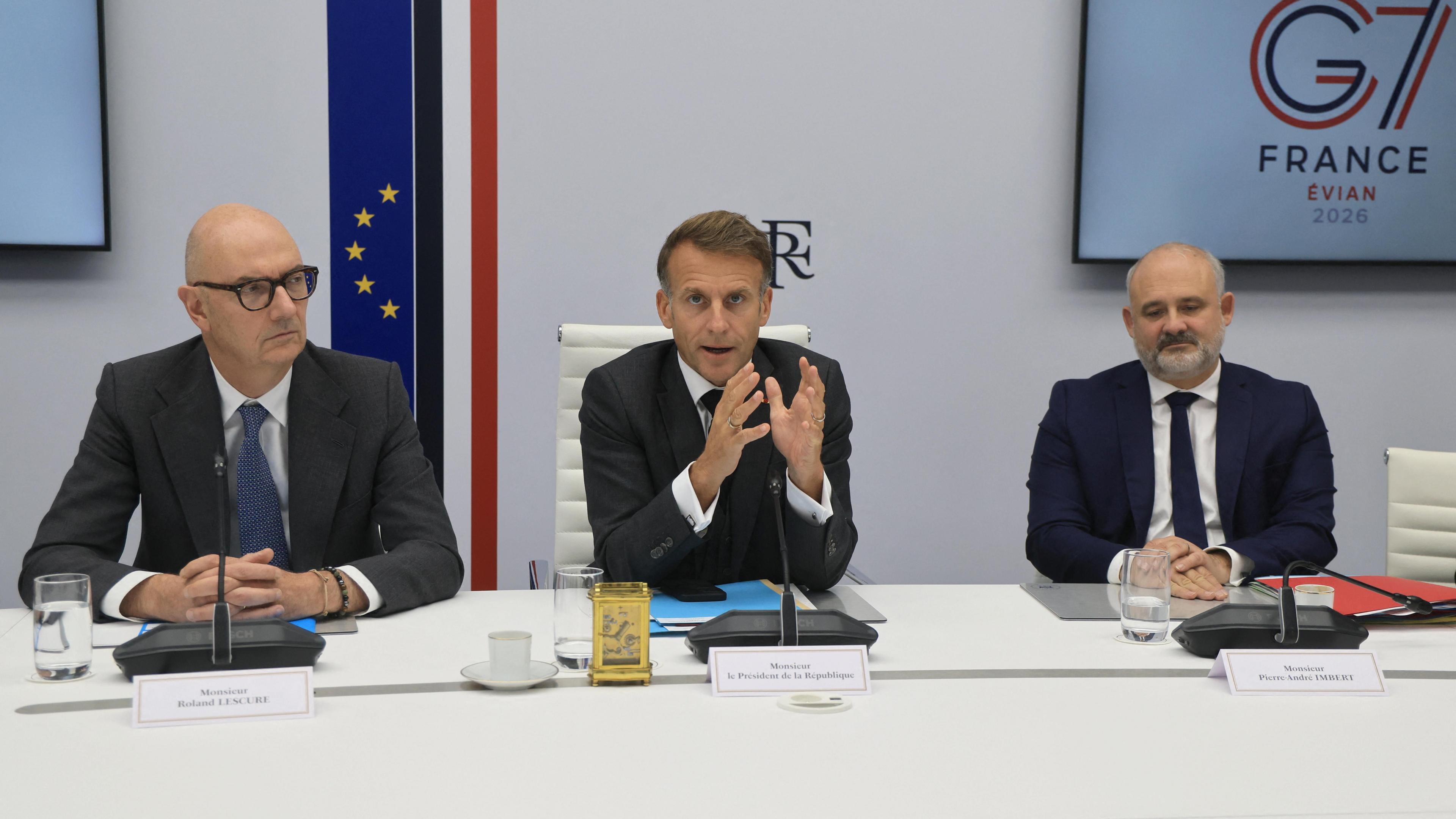
Prime Minister Sébastien Lecornu, who has called himself “the weakest prime minister in living memory,” is constrained by limited fiscal headroom and has no budgetary incentives to meet the protestors’ demands. With President Emmanuel Macron’s popularity at a low point and an upcoming presidential election, the current administration appears stalled, unable to deliver new spending without risking political backlash.
Policymakers argue that the protests are illegal blockades that invite polarisation and safety concerns for students caught in police crowd‑control operations. While the government insists police are only enforcing the law, students view blockades as a legitimate, historically potent form of political expression that has previously overturned government reforms.
The next major rally is slated for Thursday afternoon, signalling that the student movement remains organised, determined, and ready to confront the administration for reforms that match the scale and urgency of their grievances.