NATO has stated that there is no provision for the suspension or expulsion of member states after a report indicated that the United States might seek to suspend Spain due to its position on the Iran war. The miscommunication stemmed from an internal Pentagon email suggesting punitive measures for allies perceived as unsupportive of US military campaigns.
According to reports, a US official mentioned that the email also discussed potential reassessments of US support for the UK's claims over the Falkland Islands, an area of historical contention with Argentina.
A NATO representative emphasized that the alliance's founding treaty does not include any provisions for the suspension or expulsion of member nations. Furthermore, Spanish officials, including Prime Minister Pedro Sánchez, downplayed the significance of the email, reiterating that official documents, rather than correspondence, govern international relations.
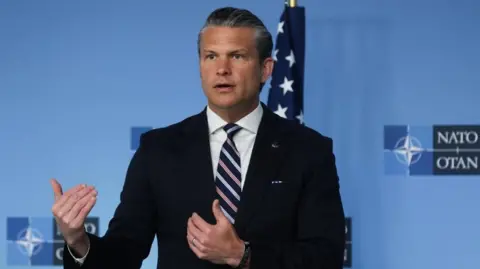
Pentagon Press Secretary Kingsley Wilson commented on the need for credible options to ensure NATO allies actively contribute, reflecting internal frustrations regarding perceived lack of cooperation.
In the context of the ongoing conflicts, Spain's refusal to allow its airbases to be used for attacks against Iran highlights the increasing complexities of NATO's collective defense agreement. The US currently maintains two military locations in Spain, the Naval Station Rota and Morón Air Base, which may be affected by these geopolitical tensions.
While some European leaders, including Italian Prime Minister Giorgia Meloni, have called for solidarity among NATO members, a German government spokesperson affirmed that Spain's membership and active participation in the alliance remain unquestioned.
Overall, this situation illustrates the delicate balance of power in international alliances, illustrating the need for diplomatic dialogue as regional conflicts continue to evolve.