In the tense final hours before NASA's astronauts flew into space, a series of technical issues threatened to ground their landmark mission. A faulty toilet and issues involving two safety systems were reported over the radio. NASA managed to resolve the problems by being quick on their feet, an official later said. The Artemis II crew are now hurtling around the Earth's orbit, carrying out final tests and checks before they head towards the Moon.
### 'Toilet is go'
The crew quickly discovered that even a trip to the Moon comes with very down‑to‑earth plumbing problems. Sensors in the spacecraft's waste‑management system threw up some readings they did not expect, according to flight controllers. Astronaut Christina Koch reportedly acted as a plumber, dismantling parts of the toilet under instruction from mission control. Happy to report that toilet is go for use, mission control later said over the radio. The lack of gravity in space means waste management is a key issue in space travel. NASA has spent more than $23m developing the Universal Waste Management System. Both men and women are able to use the system, which processes urine while using airflow to eliminate spills.
### Issue with safety systems
There were also issues reported with the flight termination system and the launch abort system - two safety systems that protect astronauts and the public. The flight termination system allows engineers to destroy the rocket if it veers off course. It reportedly had a communications issue but this was resolved using hardware from the previous Space Shuttle program. The launch abort system, designed to pull the crew capsule away from the rocket in an emergency, gave a higher-than-expected temperature reading but was deemed safe for launch.
With these issues resolved, the countdown clock was held at 10 minutes while engineers conducted final preparations. The excitement was palpable as the crew received the go for launch: Artemis II, this is Launch Director – you are go for launch, the crew was told. The rocket then launched into the sky, exciting the crowds watching from the Kennedy Space Centre and millions around the globe.
### Trying to break spacecraft
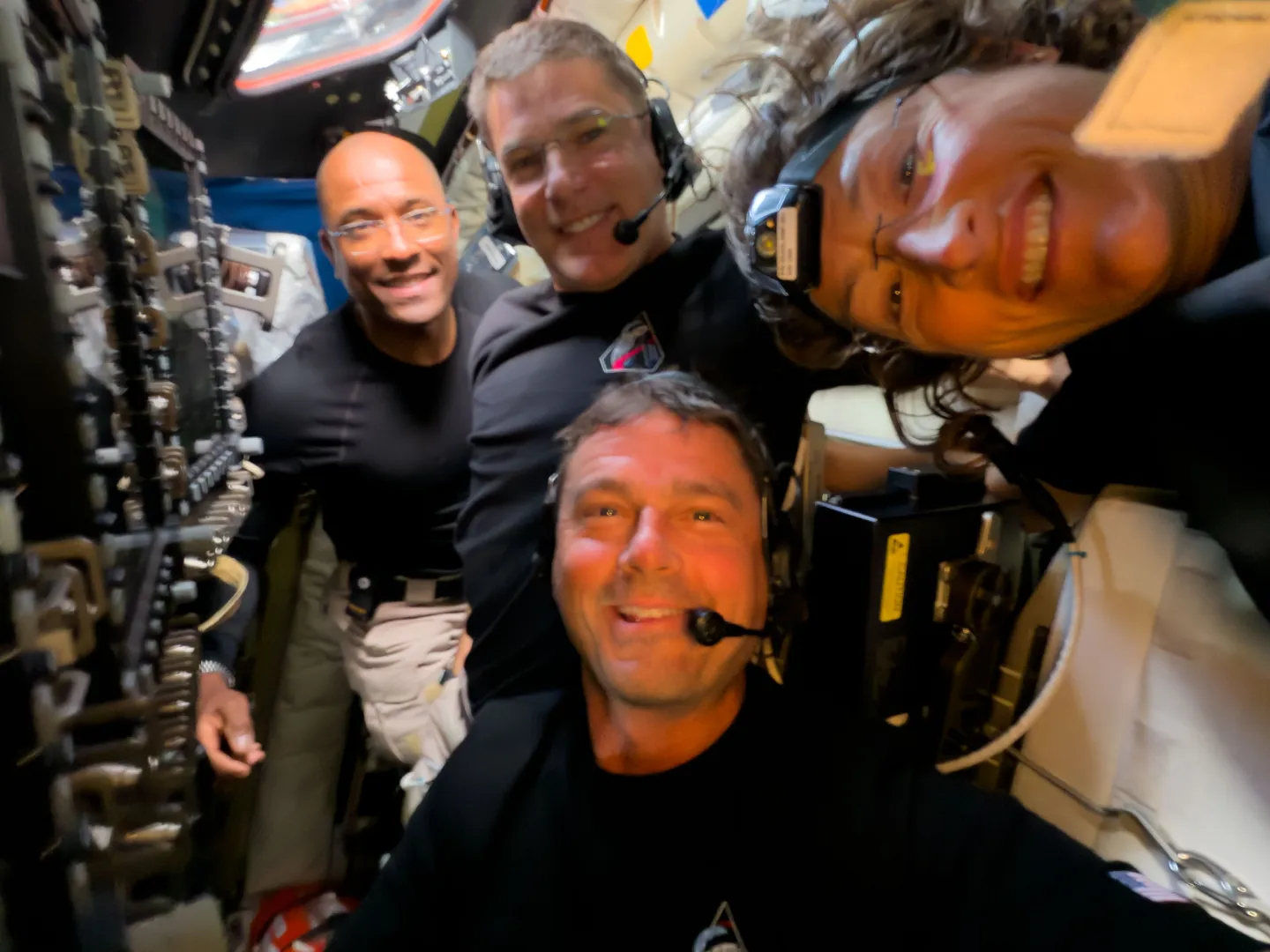
Now safely in orbit, the crew have been directed to spend hours testing their spacecraft. They cycle computers through different modes, switch radios between ground stations and satellites, and move around the cabin to assess how the life-support system copes. This is a critical phase as NASA determines if the spacecraft is healthy enough for the journey to the Moon. Any significant technical issue could lead NASA to abort the mission and bring the astronauts back home.
### 'Toilet is go'
The crew quickly discovered that even a trip to the Moon comes with very down‑to‑earth plumbing problems. Sensors in the spacecraft's waste‑management system threw up some readings they did not expect, according to flight controllers. Astronaut Christina Koch reportedly acted as a plumber, dismantling parts of the toilet under instruction from mission control. Happy to report that toilet is go for use, mission control later said over the radio. The lack of gravity in space means waste management is a key issue in space travel. NASA has spent more than $23m developing the Universal Waste Management System. Both men and women are able to use the system, which processes urine while using airflow to eliminate spills.
### Issue with safety systems
There were also issues reported with the flight termination system and the launch abort system - two safety systems that protect astronauts and the public. The flight termination system allows engineers to destroy the rocket if it veers off course. It reportedly had a communications issue but this was resolved using hardware from the previous Space Shuttle program. The launch abort system, designed to pull the crew capsule away from the rocket in an emergency, gave a higher-than-expected temperature reading but was deemed safe for launch.
With these issues resolved, the countdown clock was held at 10 minutes while engineers conducted final preparations. The excitement was palpable as the crew received the go for launch: Artemis II, this is Launch Director – you are go for launch, the crew was told. The rocket then launched into the sky, exciting the crowds watching from the Kennedy Space Centre and millions around the globe.
### Trying to break spacecraft
Now safely in orbit, the crew have been directed to spend hours testing their spacecraft. They cycle computers through different modes, switch radios between ground stations and satellites, and move around the cabin to assess how the life-support system copes. This is a critical phase as NASA determines if the spacecraft is healthy enough for the journey to the Moon. Any significant technical issue could lead NASA to abort the mission and bring the astronauts back home.