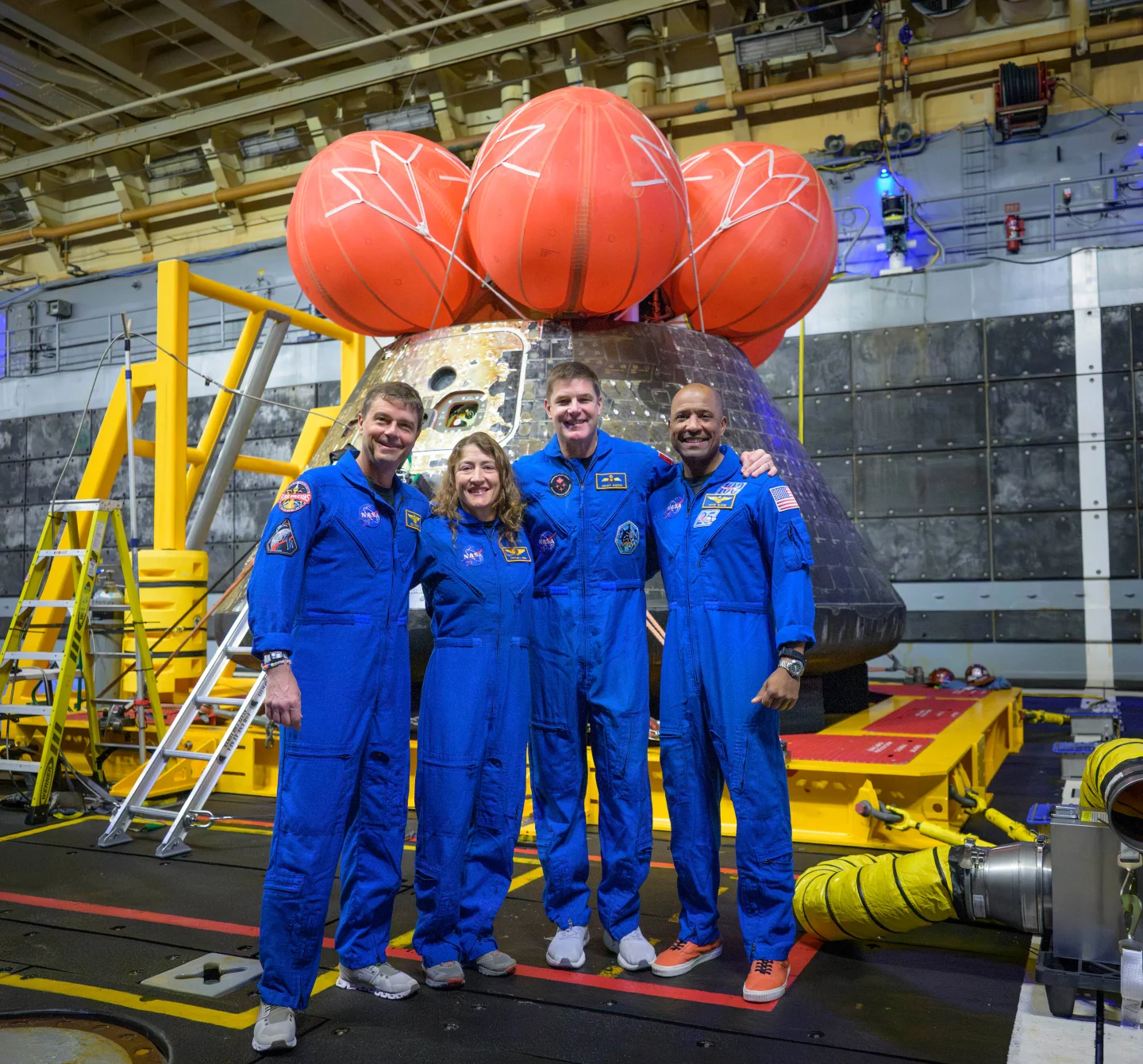
No-one will have been further from home than the Artemis astronauts.
But as the Earth shrinks ever smaller in their rear-view mirror, they've had a constant connection with mission control in Houston, Texas. The calm words from the NASA team have given the crew a comforting link with home.
That link is about to be lost.
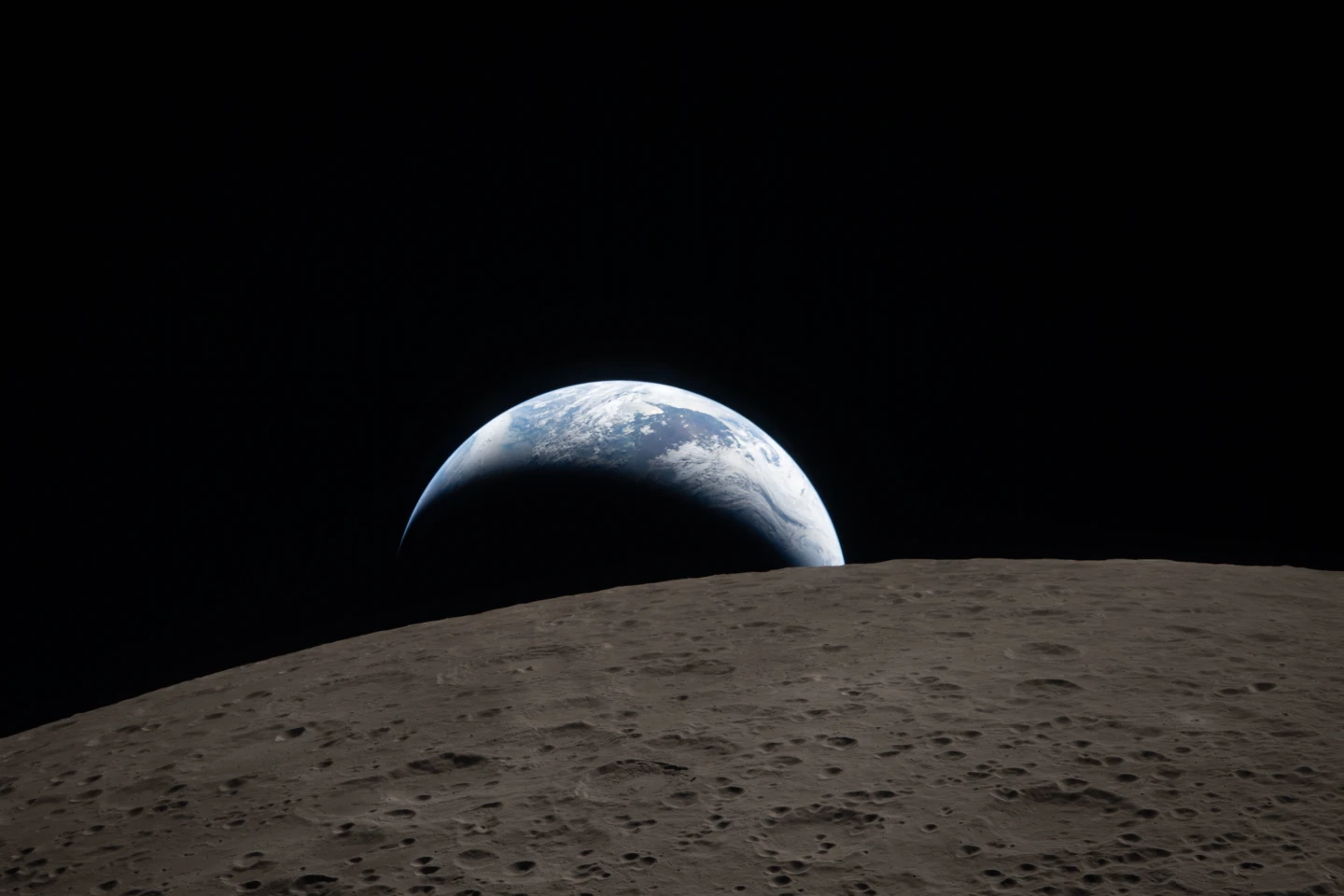
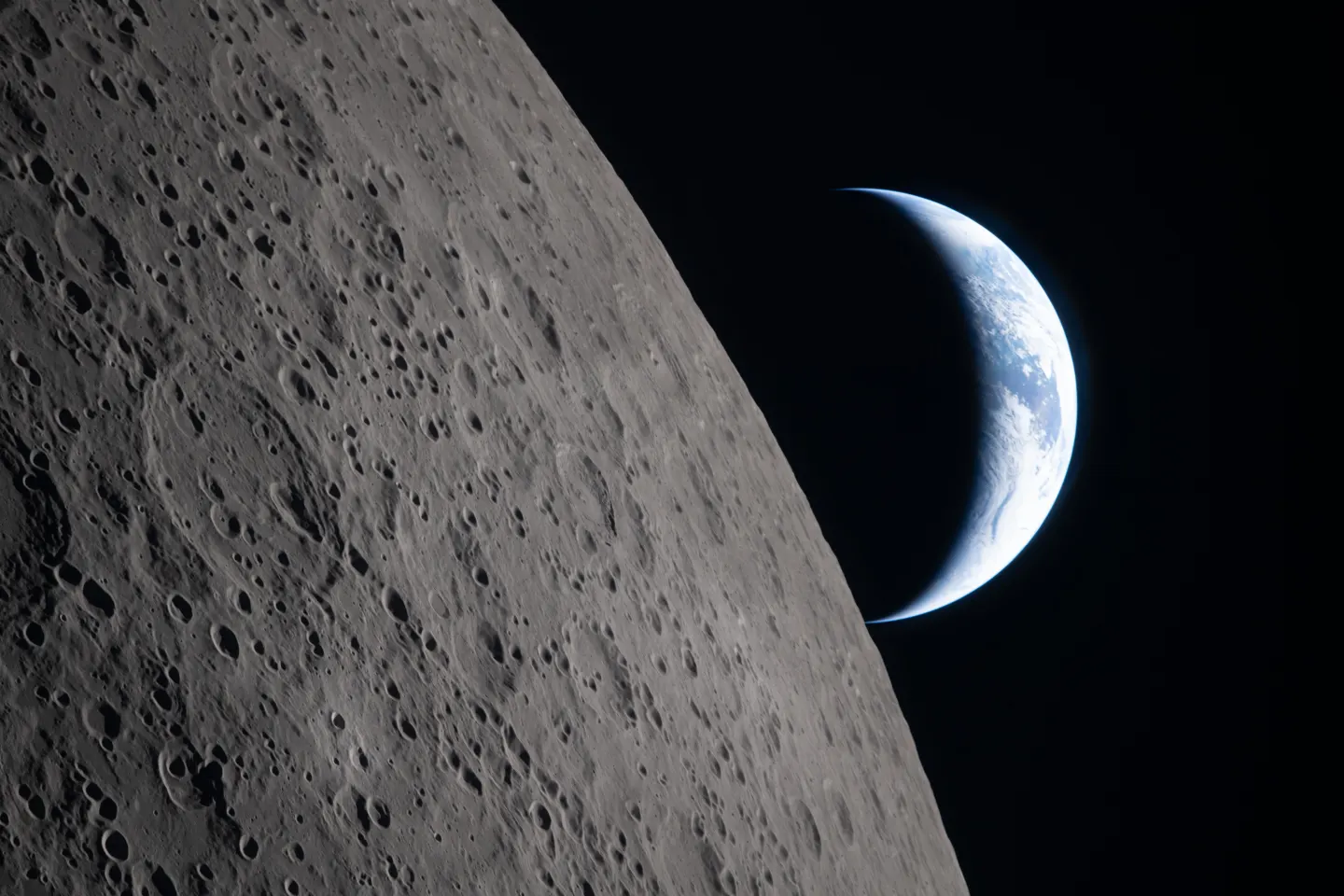
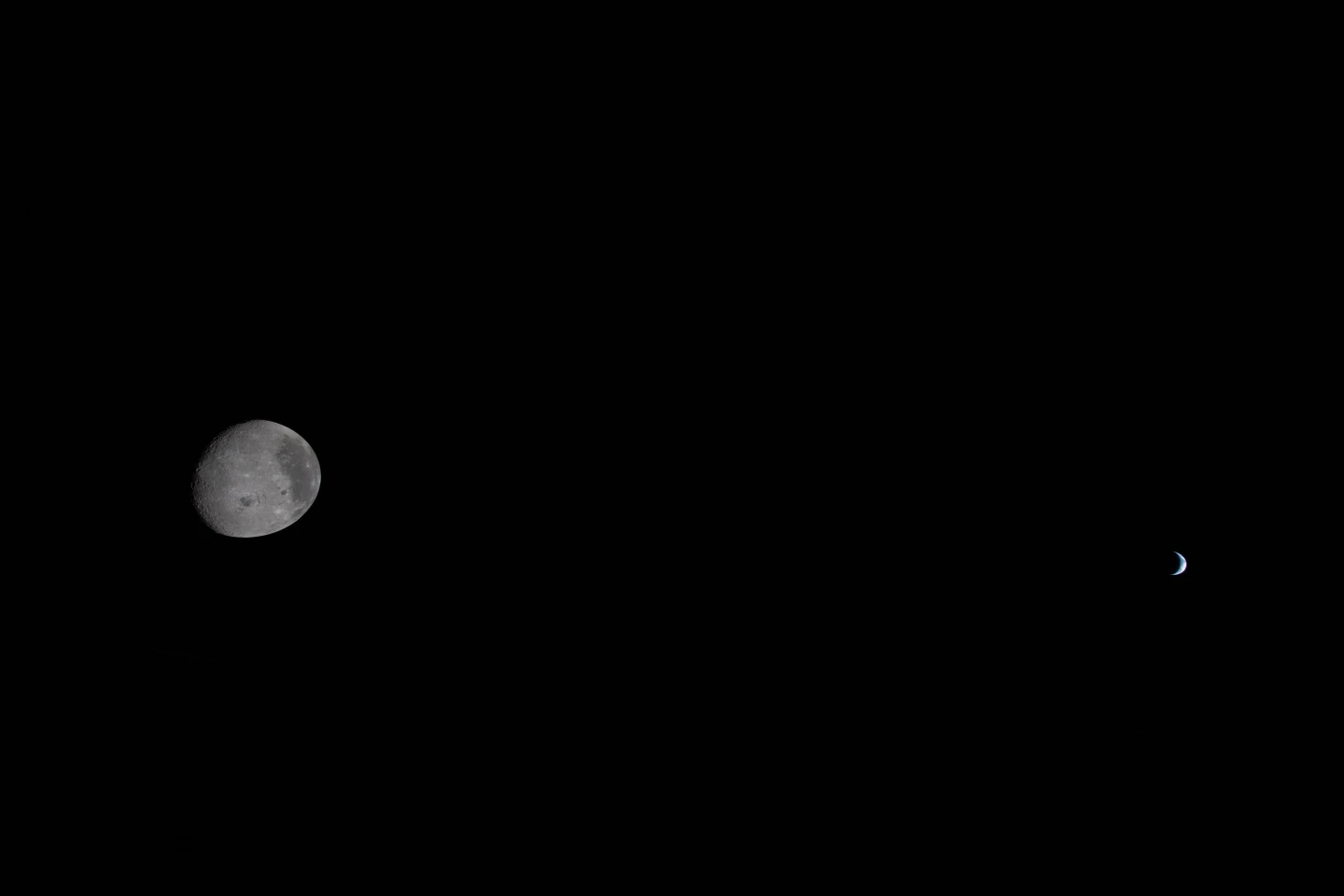
As the astronauts pass behind the Moon at about 23:47 BST (18:47 EDT) on Monday, the radio and laser signals that allow the back-and-forth communication between the spacecraft and Earth will be blocked by the Moon itself.
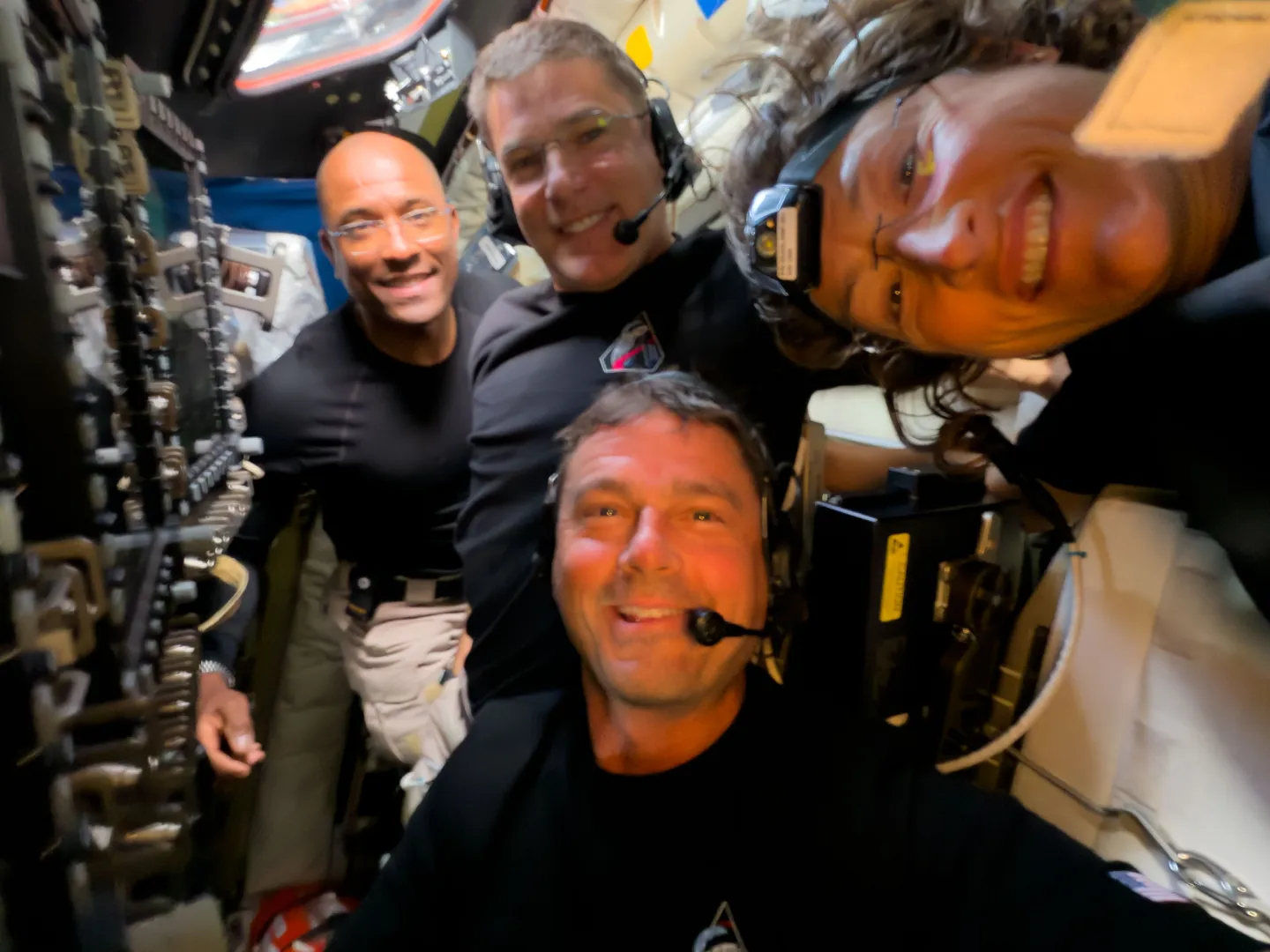
For about 40 minutes, the four astronauts will be alone, each with their own thoughts and feelings, travelling through the darkness of space. A profound moment of solitude and silence.
Artemis pilot Victor Glover told us he hopes the world will use the time to come together.
When we're behind the Moon, out of contact with everybody, let's take that as an opportunity, he told BBC News before the mission. Let's pray, hope, send your good thoughts and feelings that we get back in contact with the crew.
More than 50 years ago, the Apollo astronauts experienced similar isolation during their missions to the Moon, underscoring the timeless nature of space exploration.
Back on Earth, the blackout will be a tense time for those monitoring the spacecraft. At the Goonhilly Earth Station in Cornwall, a large antenna will track the Orion capsule, transmitting its status back to NASA headquarters.
The hope is that advancements in technology will reduce these communication dropouts in the future, vital for a sustainable presence on the Moon and beyond.
The astronauts' silence will also allow them to observe the Moon closely, capturing stunning images and studying its surface.
When contact is re-established, a collective sigh of relief will echo back home as the crew shares their experiences from this extraordinary journey.