Artemis II's Historic Journey: A Step Towards Moon Landings
NASA's Artemis II mission has passed every major test since its launch on April 1, with its rocket, spacecraft, and crew performing better than predicted. The first six days of the mission revealed that the Orion capsule operates as designed with humans aboard, showcasing a crucial aspect not achievable through simulations.
This mission’s success has provided a renewed sense of hope and inspiration during a turbulent period globally. It also raises the pressing question of whether a Moon landing by 2028, as projected by NASA and supported by political figures, is an attainable goal.
What Artemis II has taught us so far
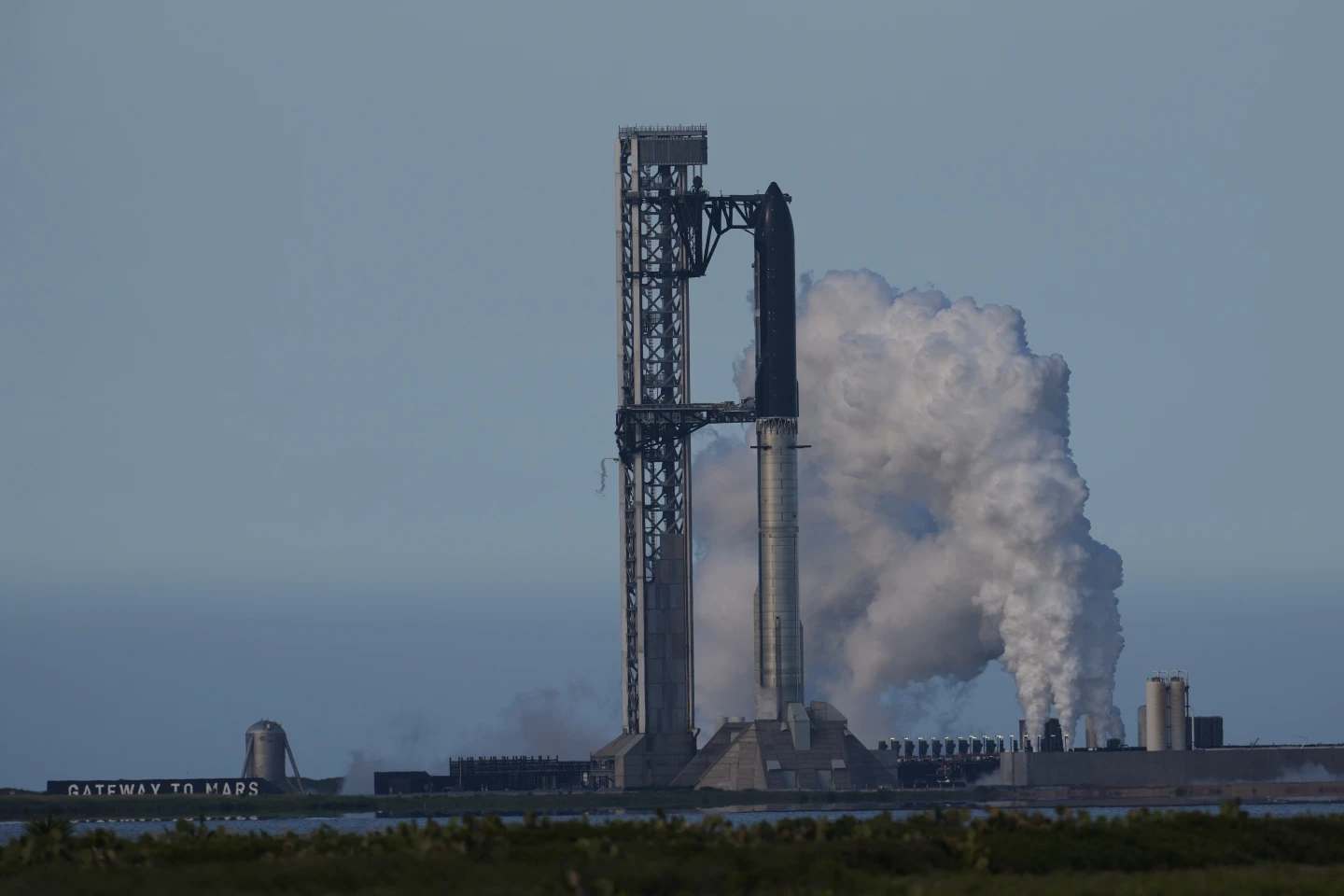
A vital lesson emerging from the mission is the necessity for efficient launches, as articulated by NASA Administrator Jared Isaacman, who highlighted the need to launch the Space Launch System (SLS) more frequently. No longer can they treat each rocket as a 'work of art,' but rather as part of a routine and systematic exploration program.
During the Artemis II mission, the systems demonstrated reliability and performance metrics that even the optimists did not anticipate.
A Rocket that did the job
The SLS rocket generated 8.8 million pounds of thrust at liftoff, achieving all planned milestones. Two of the planned trajectory corrections were canceled, highlighting the accuracy of the initial calculations. The Orion spacecraft completed its translunar injection burn perfectly, setting it on course for the Moon.
Humans in the machine
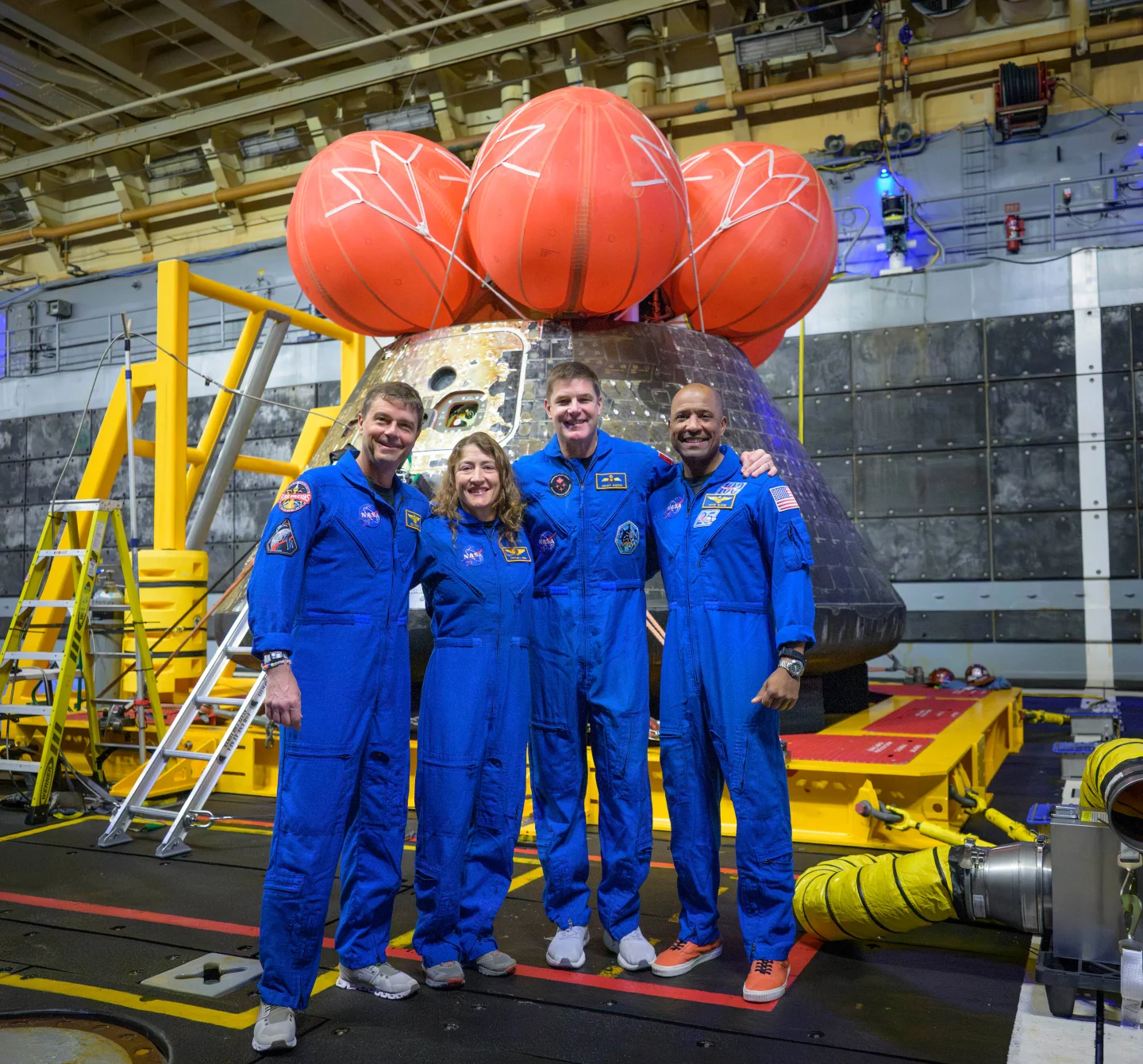
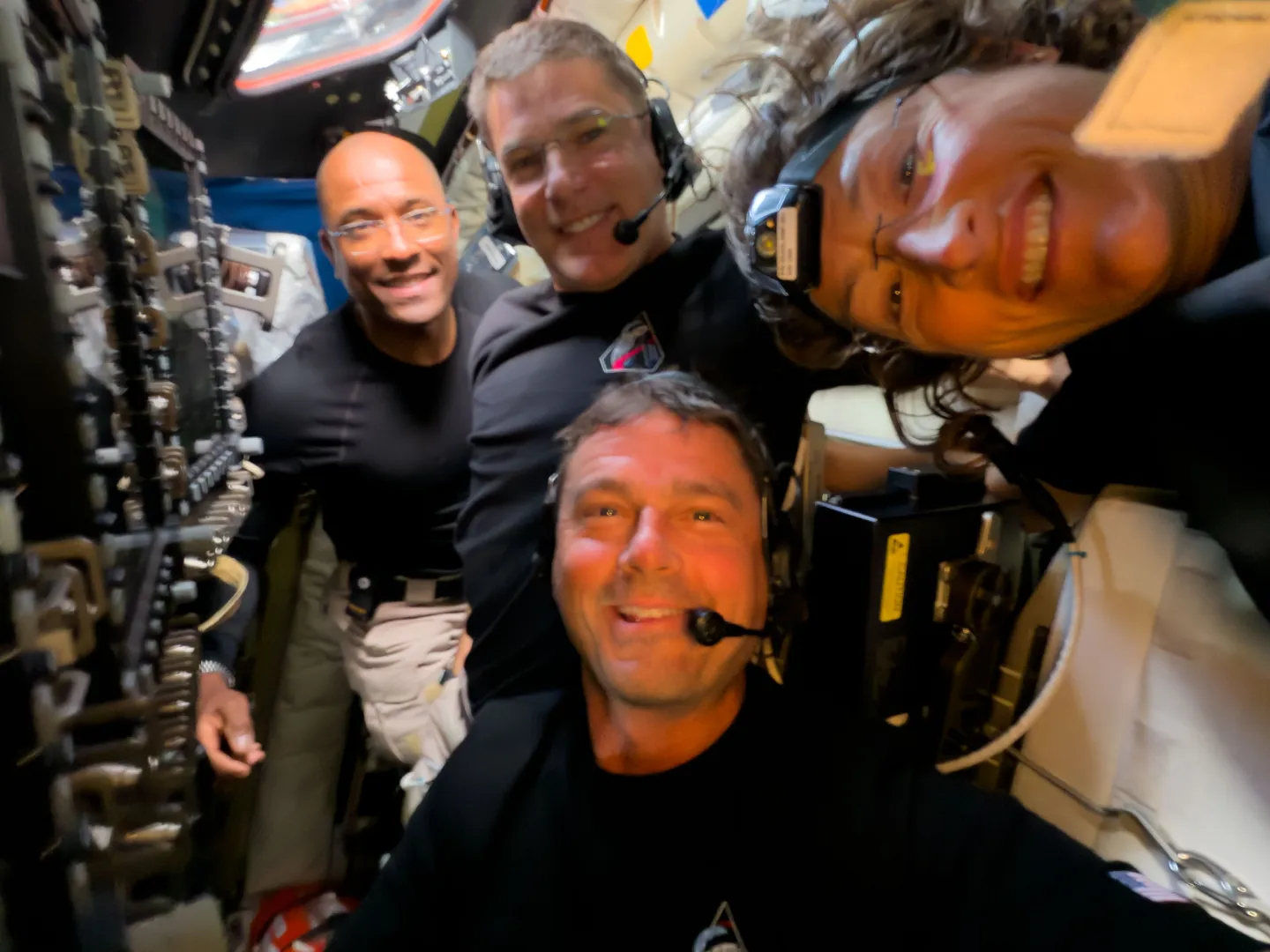
For the first time, the mission investigated human interaction with the spacecraft. The crew experienced minor challenges such as toilet and water dispenser issues but overall managed the systems competently. The data gathered indicates that the Orion vehicle is suitable for future manned missions to the Moon.
Great science or NASA hype?
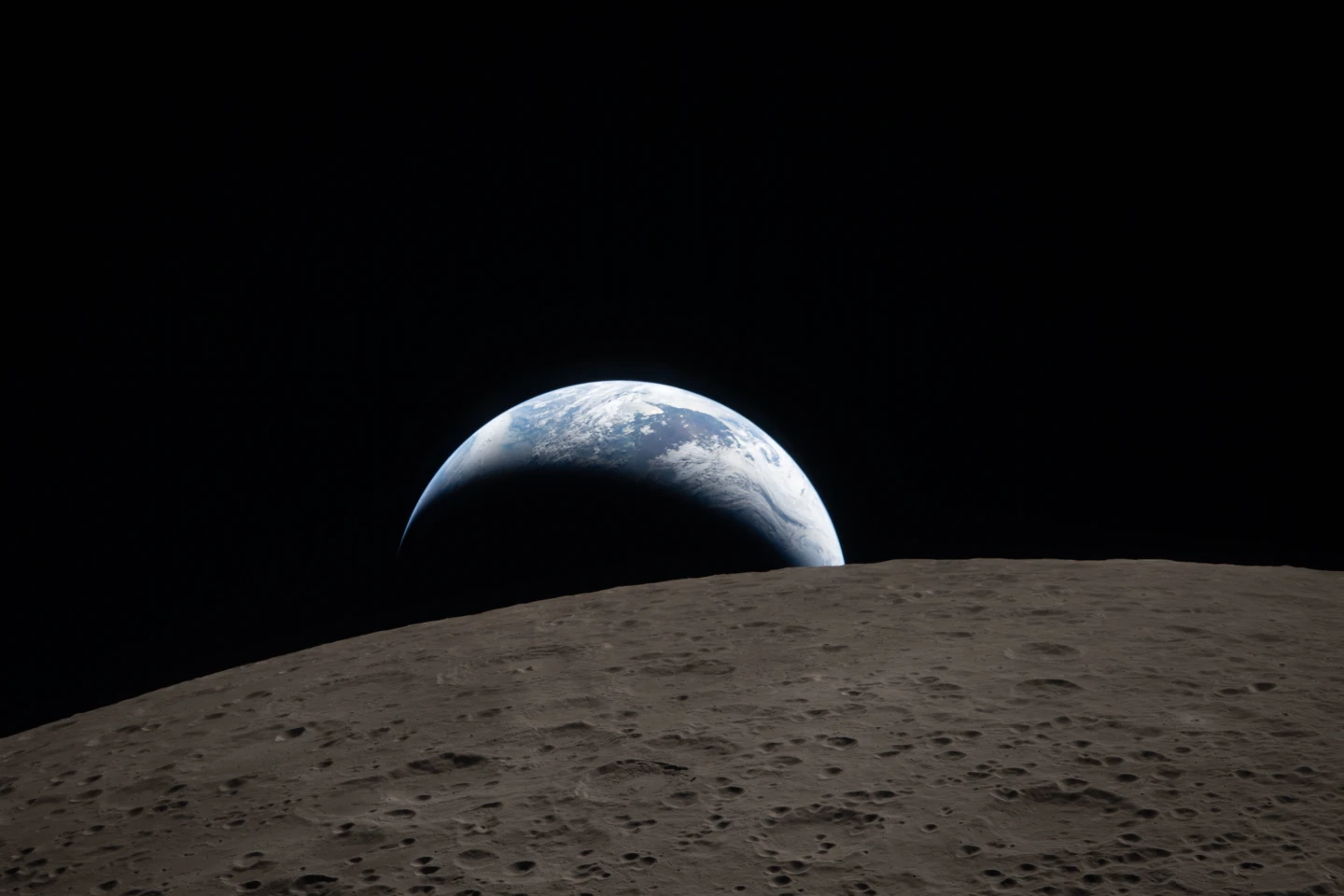
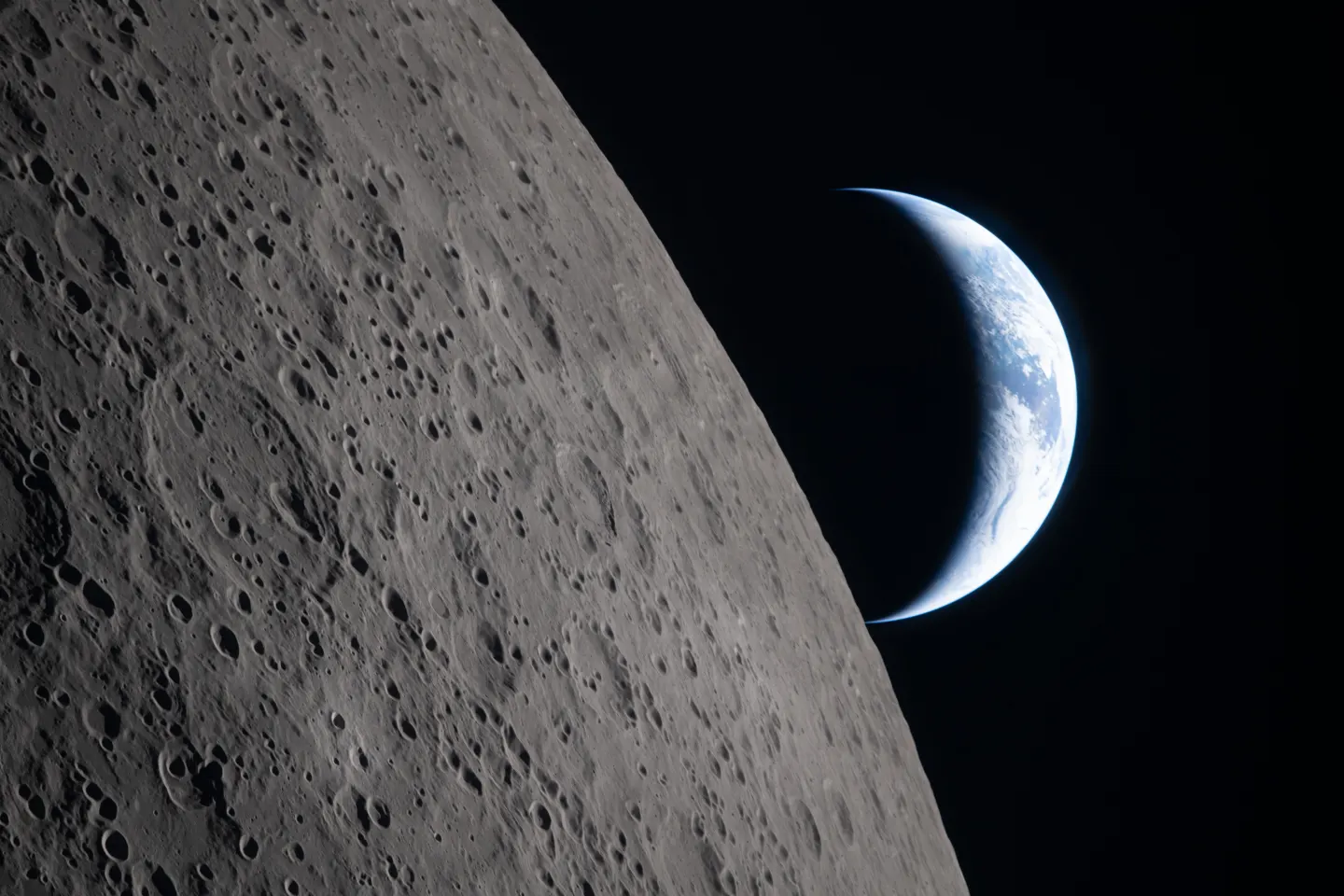
While the crew documented various geological features during their flyby, experts note that the artistic value of the images returned is significant, though their scientific returns may be limited. Comparisons were made to robotic missions that have already obtained detailed information about lunar geography.
The biggest test to come
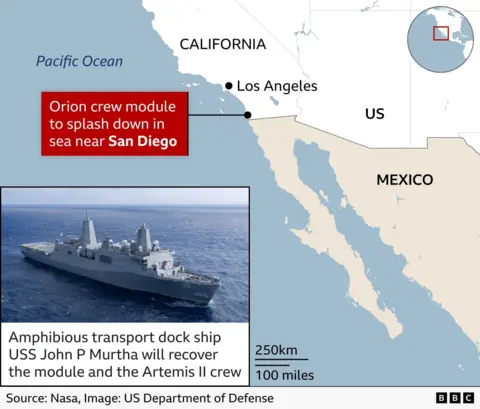
As Artemis II progresses, the upcoming re-entry into Earth's atmosphere on April 11 poses the mission's most significant test. Success in this phase is crucial for establishing the mission's legacy. If successful, it will reinforce NASA's capability to build upon this mission towards more lunar endeavors.
The optimism surrounding this mission stems from the smooth operations experienced thus far, although the timeline for a Moon landing may still be three to four years away. Nevertheless, the mission's accomplishments so far have shifted the probability of a sustained lunar presence in the right direction.