Artemis II Mission: Stunning Lunar Imagery Sparks Debate on Scientific Value
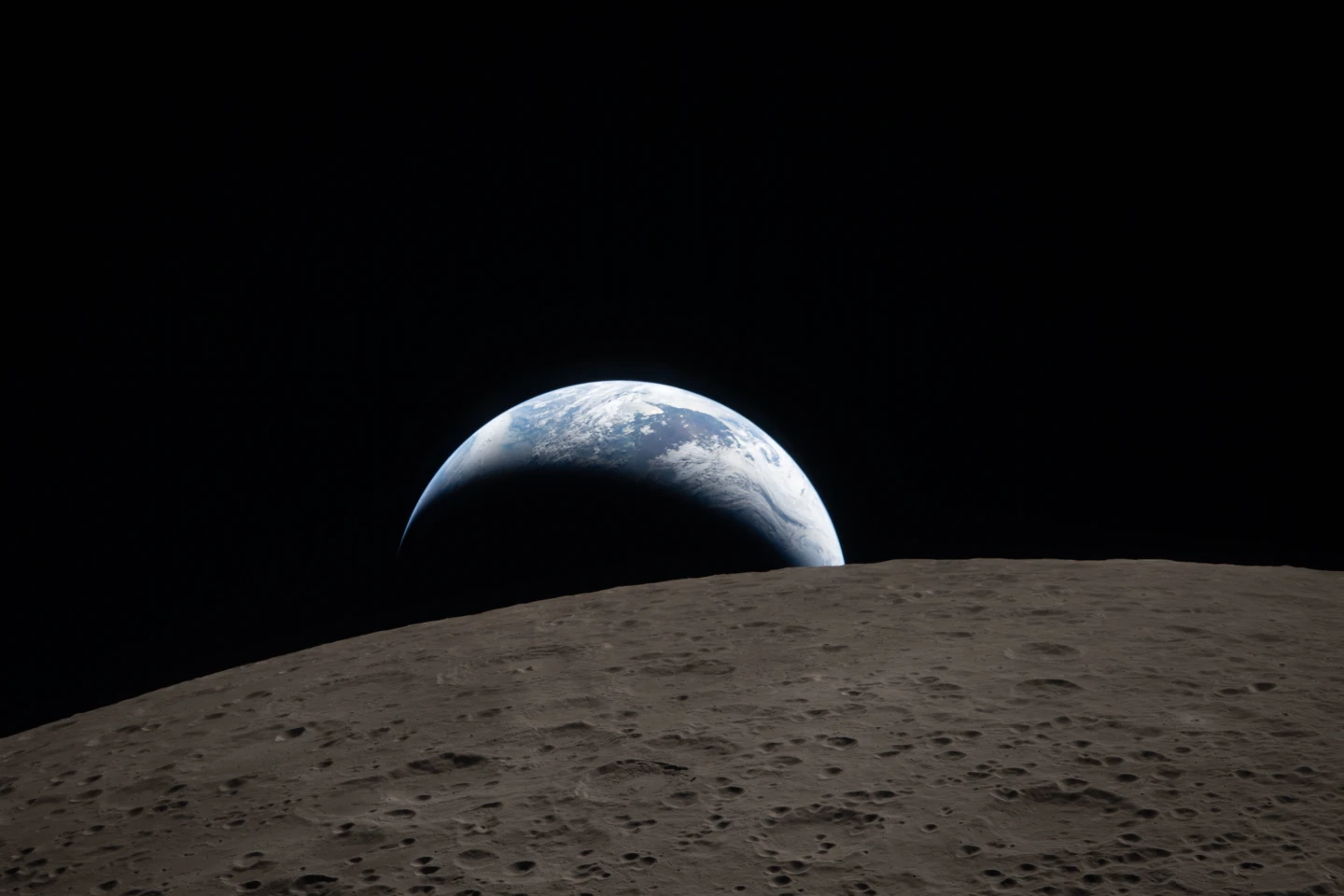
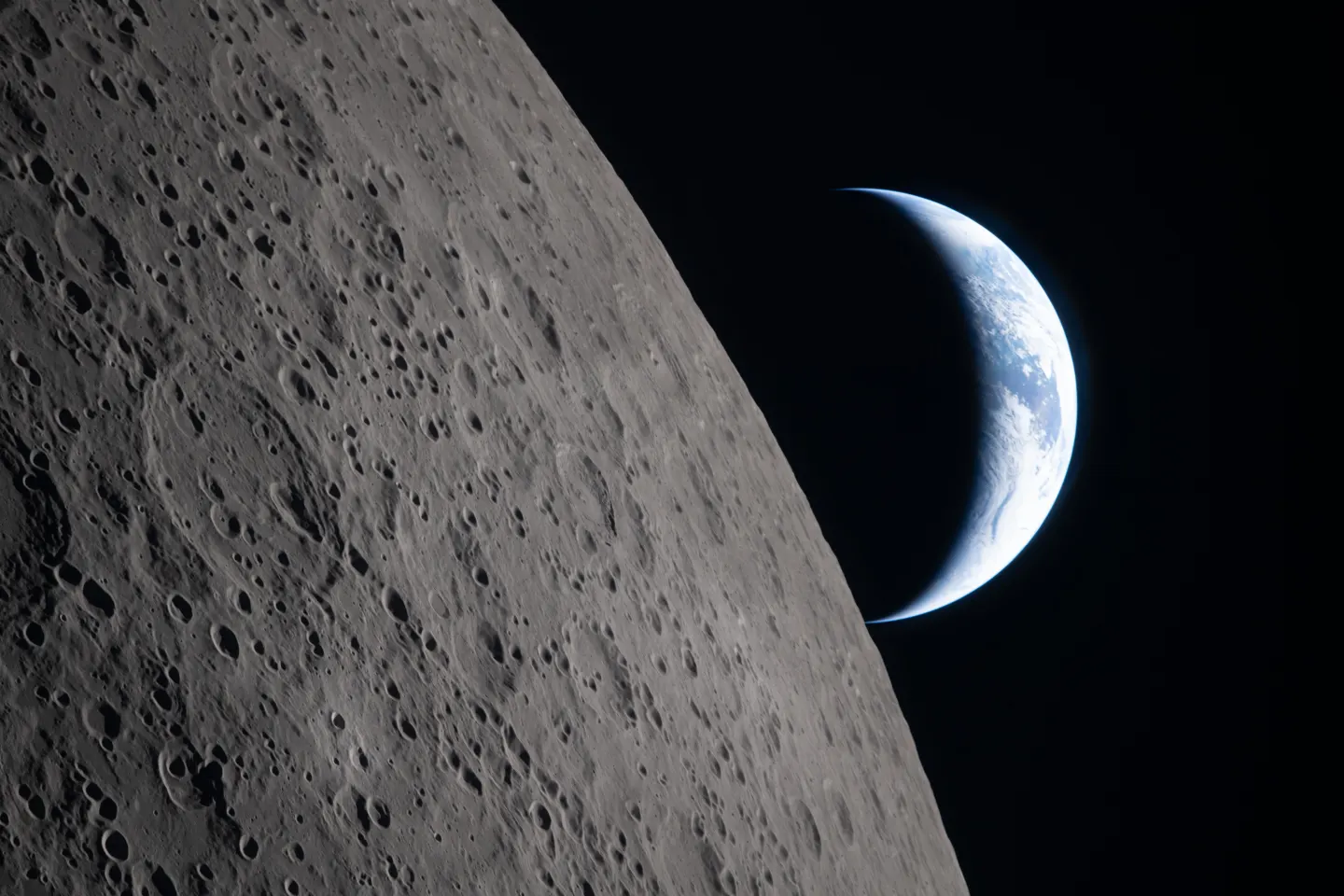
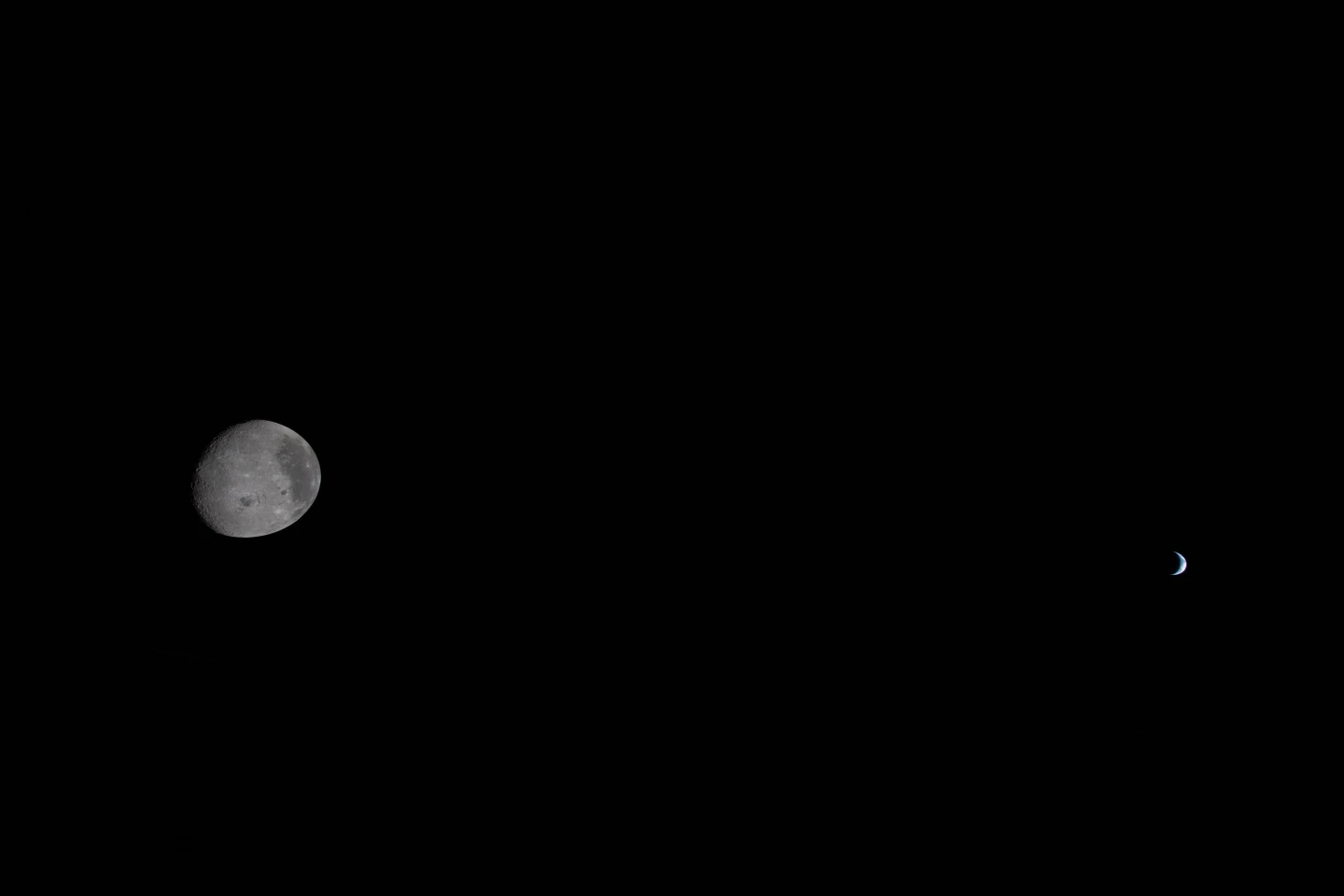
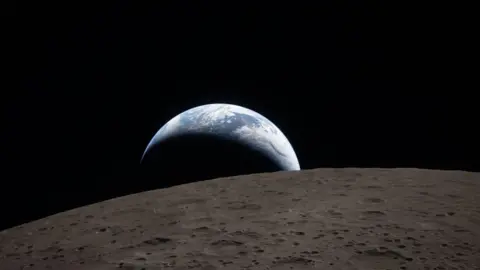
NASA is unveiling a sequence of breathtaking images captured by astronauts during its Artemis II Moon mission. These stunning visuals showcase the Earth and Moon from extraordinary angles, capturing the attention of millions on social media.
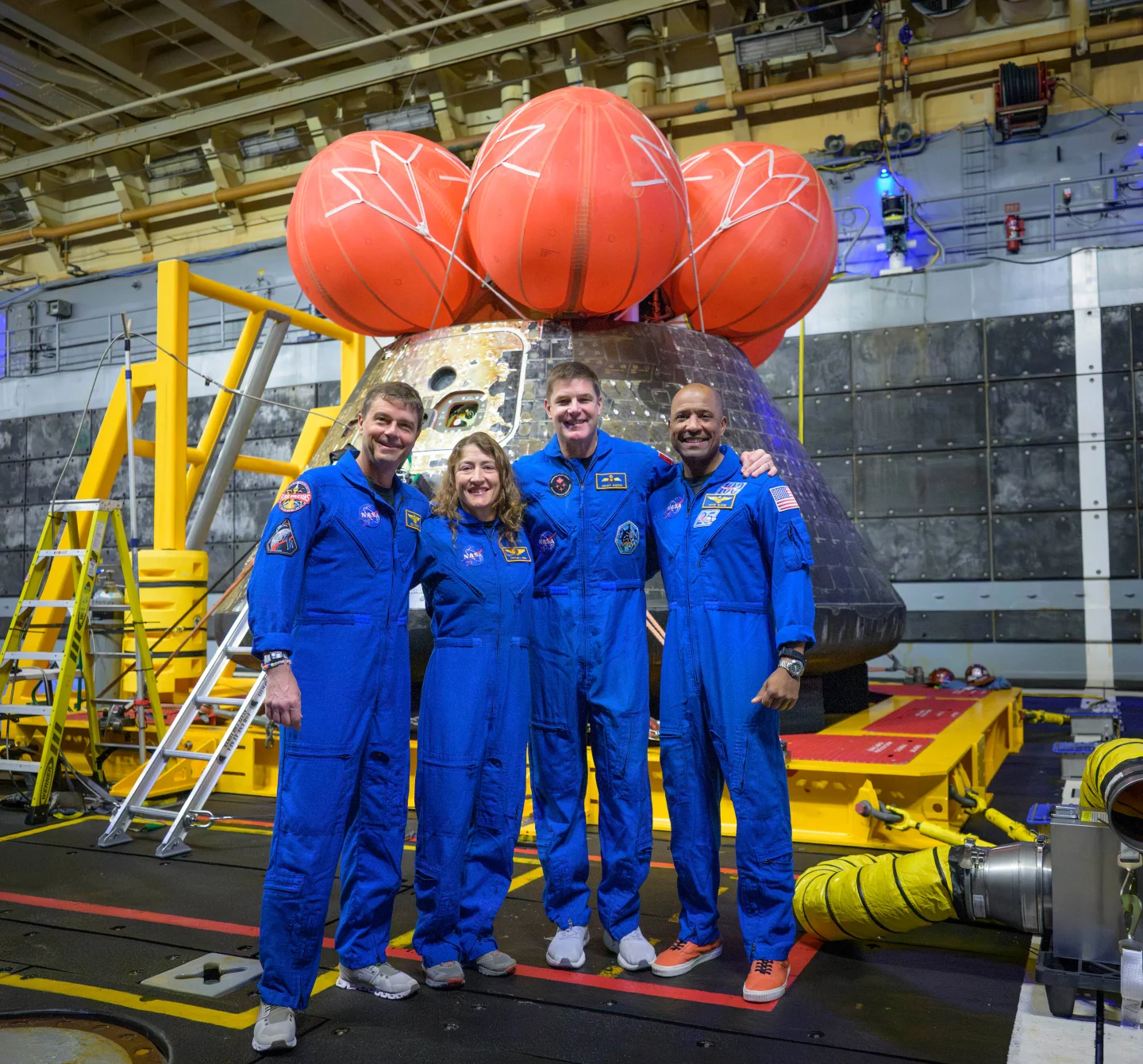
The dramatic backdrop of this mission features four astronauts embarking further into space than any human has traveled since 1972. Yet alongside the admiration for these beautiful photographs comes a critical inquiry into their scientific value.
While the public delights in these striking images, experts question whether they hold any unique scientific insights, or if they serve merely as high-quality holiday snaps from space. NASA aims to engage the American public and maintain support for its endeavors, livestreaming the astronauts' ten-day journey and providing regular video updates.
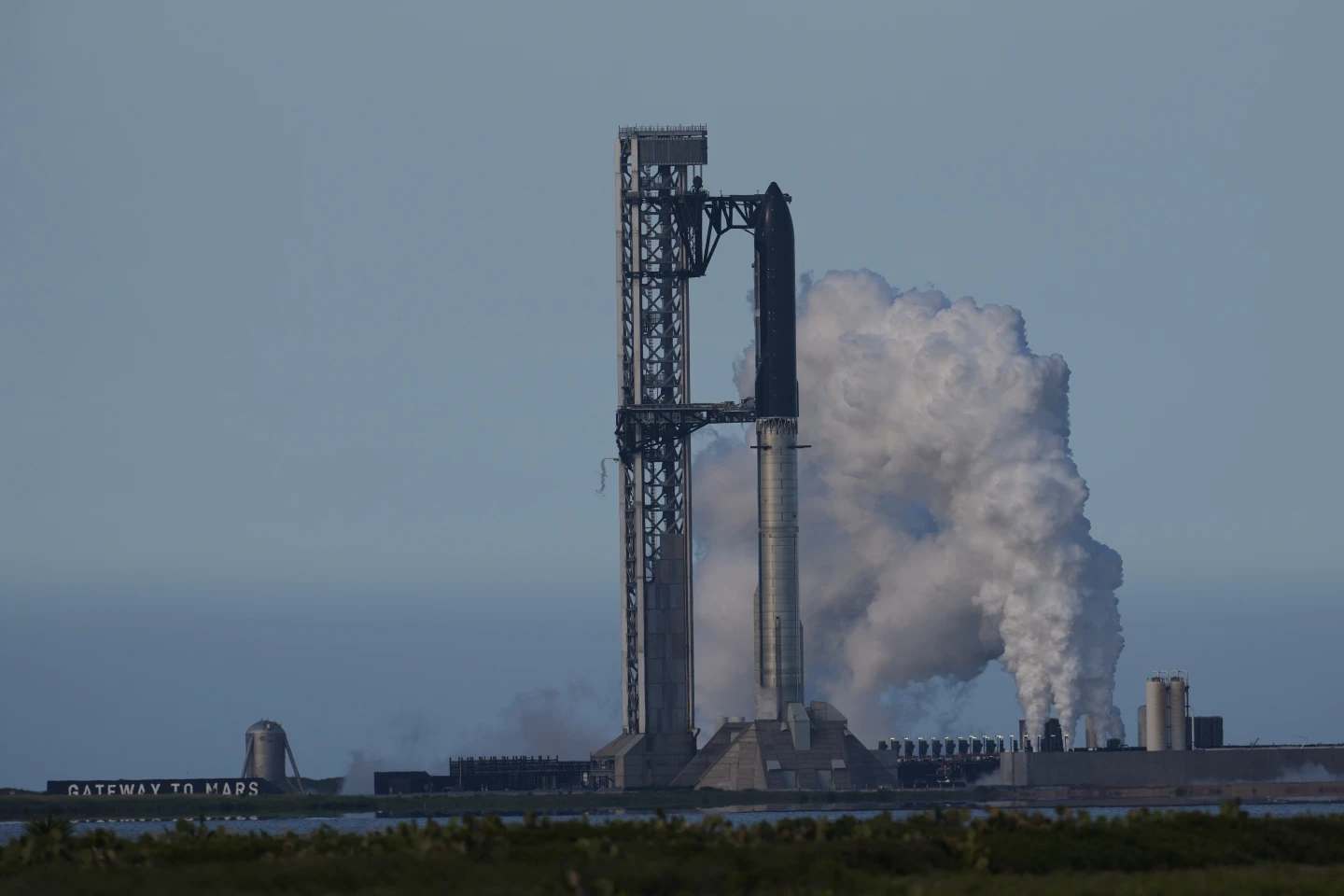
The images captured not only demonstrate the beauty of space but also signify a pivotal moment for NASA against the backdrop of international competition, particularly from China.
Critics argue that the landscapes depicted in these images have already been extensively documented by earlier robotic missions, such as India's Chandrayaan-3 and China's Chang'e-6. Experts point out that scientific exploration requires systematic observation rather than visual documentation.
In conclusion, while the visuals from the Artemis II mission are indeed captivating, the discussion on their contribution to science remains unsettled. What’s clear is that NASA is striving to not only showcase artistic prowess but also affirm its relevance in an evolving landscape of space exploration.