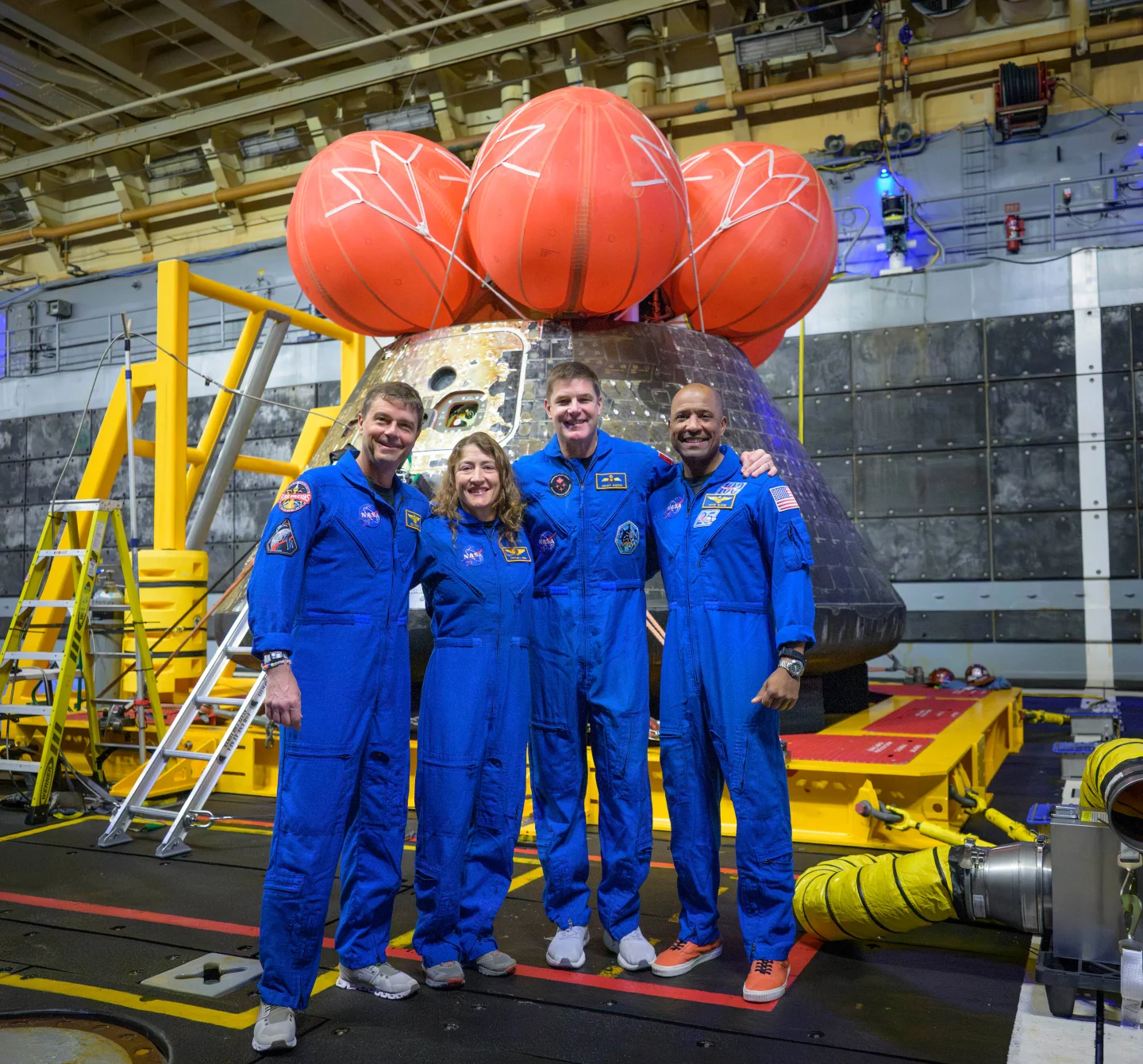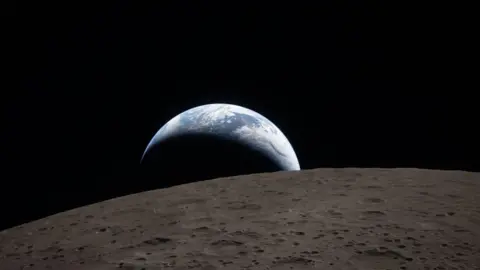
NASA's Artemis II mission has passed every major test since its launch on April 1, with its rocket, spacecraft, and crew performing better than engineers had dared to hope for. The mission's first six days have shown that the Orion capsule works as designed with people on board for the first time—something no simulator could prove. Perhaps its greatest achievement, though, is through the actions of the Artemis crew, which have generated hope, agency, and optimism for a world appearing to be in desperate need of inspiration.
But the bigger question remains: Is a Moon landing by 2028, as NASA and President Trump want, really an achievable goal? A few days after NASA's Space Launch System (SLS) reached the launch pad at Kennedy Space Centre, the most important lesson about Artemis II had already been learned. After two scrubbed launches, NASA Administrator Jared Isaacman emphasized that launching a rocket as complex as SLS every three years is not a path to success. The previous uncrewed Artemis I mission took off in November 2022.
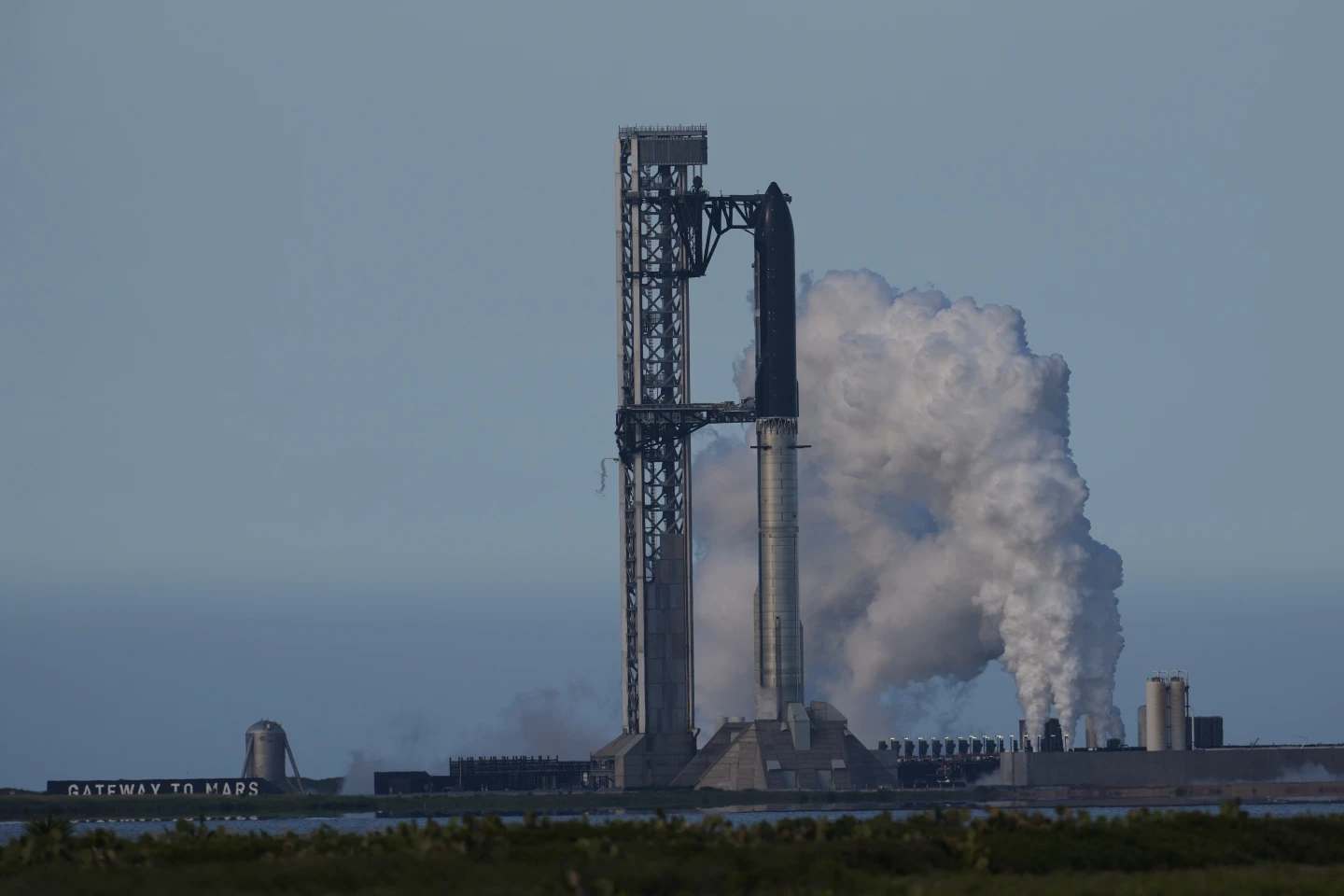
Artemis II has shown that the SLS generated 8.8 million pounds of thrust at liftoff and performed to plan, with every phase of the ascent termed 'nominal' by mission control. The spacecraft's critical moments, such as its translunar injection burn, were described as flawless.
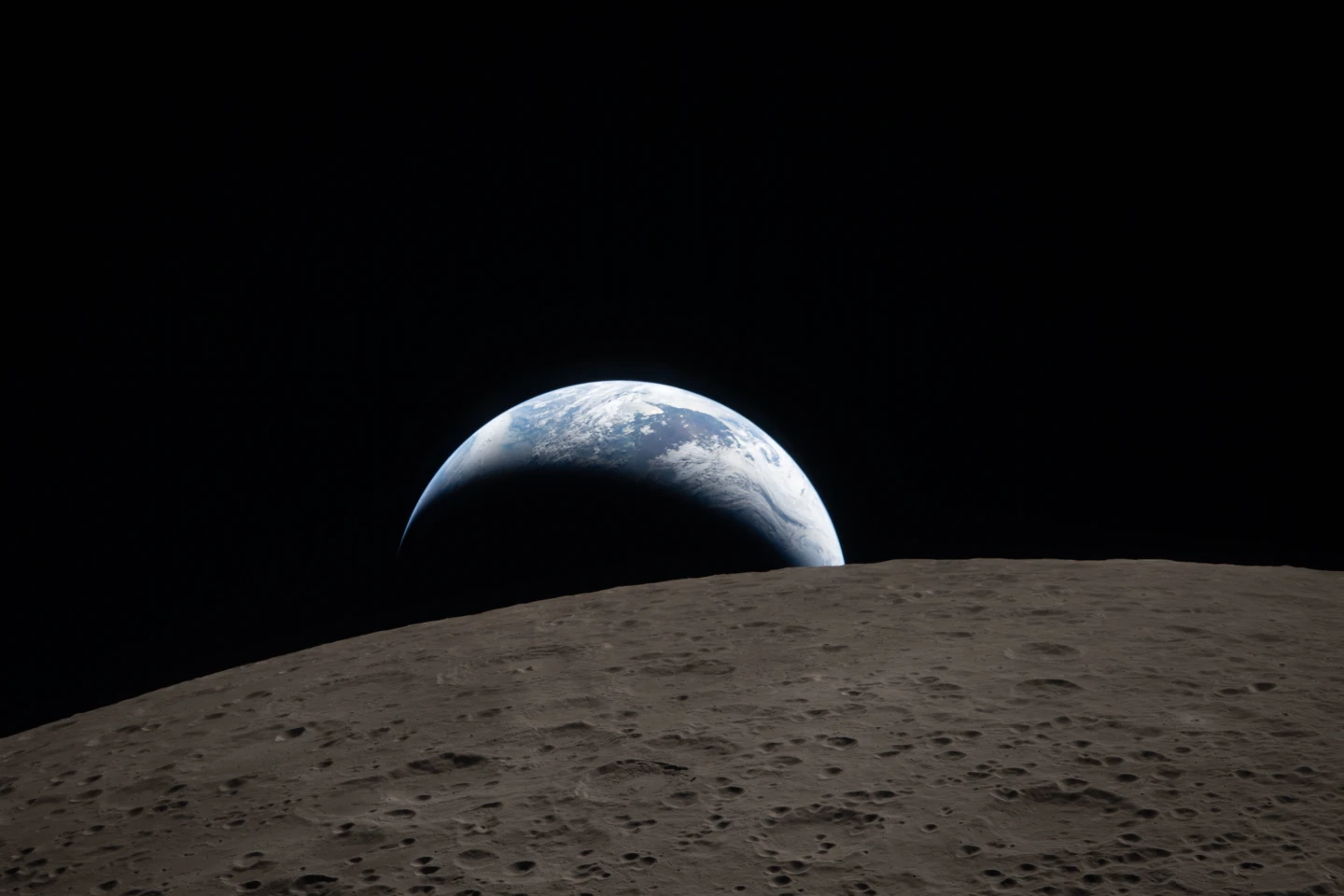
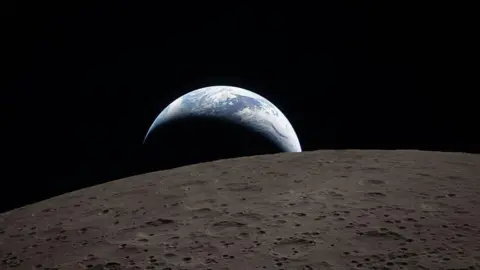
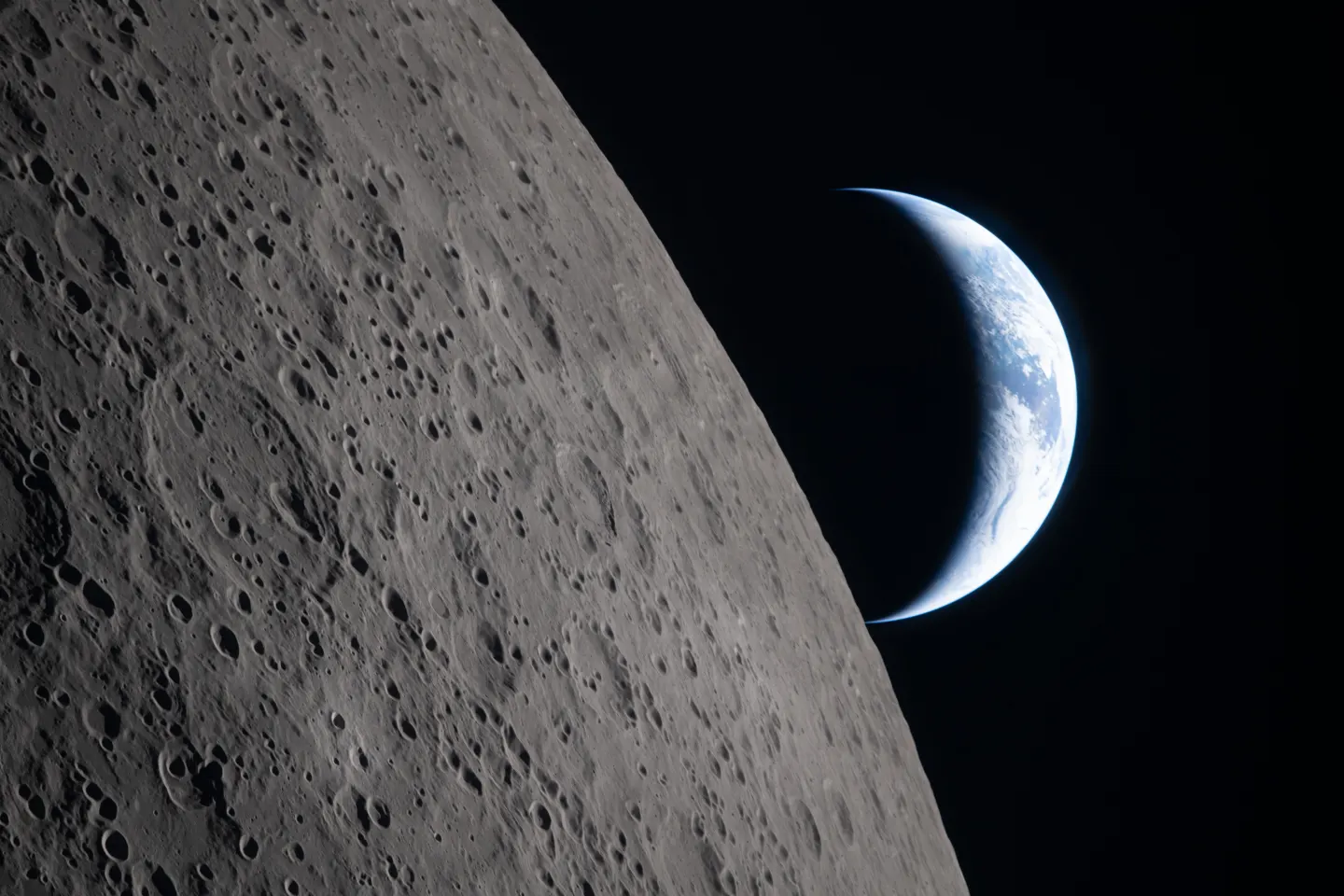
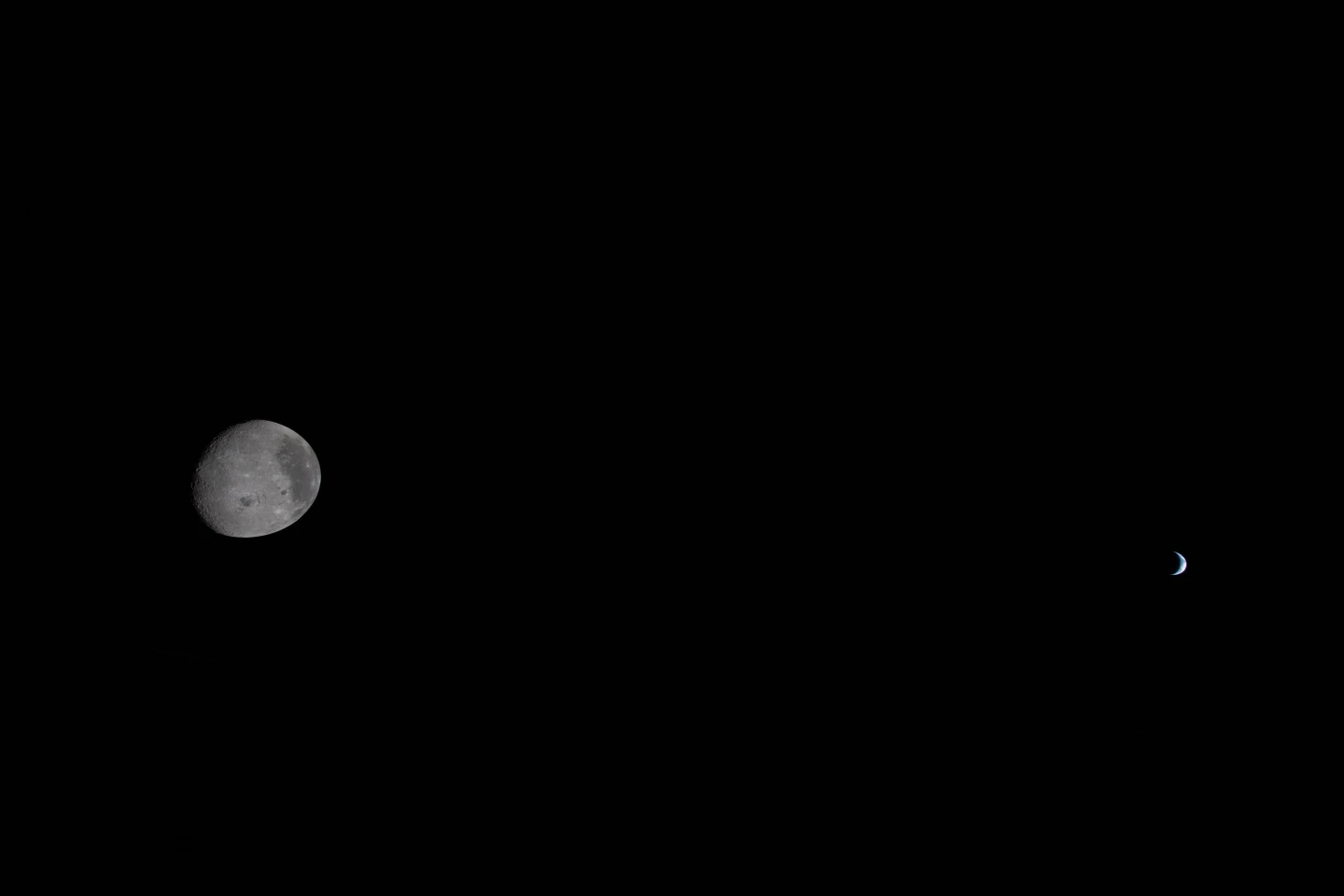
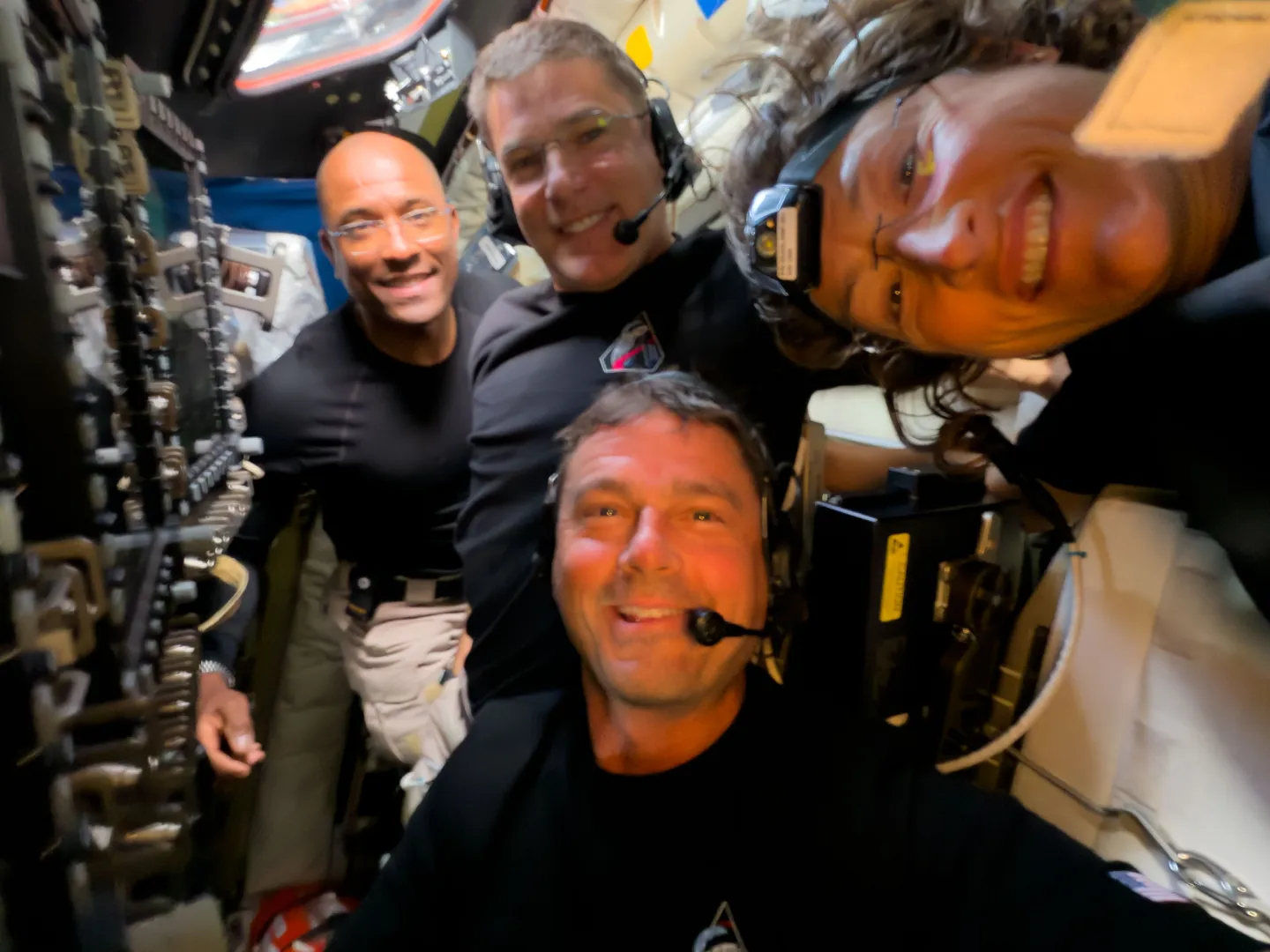
The crew, which faced various challenges like toilet problems and water dispenser issues, is also being monitored to understand human interaction with the spacecraft. NASA's mission aims to not only validate the vehicle but also understand how humans function in it. Scientific returns from the flyby include valuable observations of geological features and a solar eclipse as seen from deep space.
While the images returned provide artistic value, their scientific value is debated. Industry experts point out that the main focus should remain on crew safety and mission success rather than mere spectacle. If all goes well during re-entry, which remains the largest test yet, the mission will significantly enhance the prospect of future crewed lunar landings.
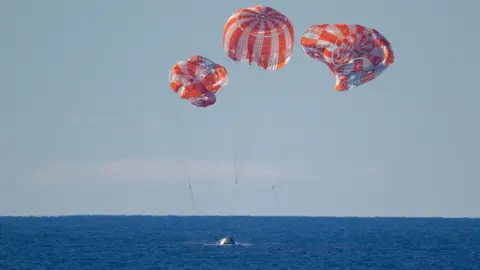
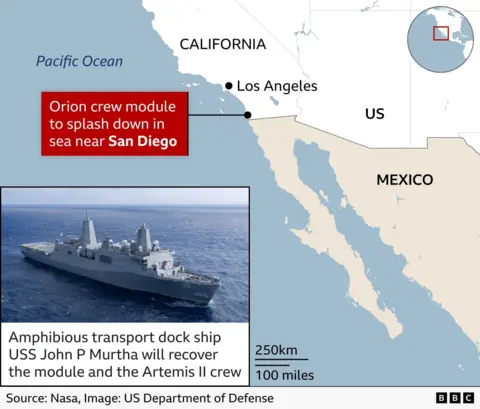
As Artemis II nears its completion, with a splashdown expected on April 11, the success of this mission could mark a turning point. The overarching narrative is not just about reaching the Moon but fostering a sense of global unity and inspiration through human efforts in space.
But the bigger question remains: Is a Moon landing by 2028, as NASA and President Trump want, really an achievable goal? A few days after NASA's Space Launch System (SLS) reached the launch pad at Kennedy Space Centre, the most important lesson about Artemis II had already been learned. After two scrubbed launches, NASA Administrator Jared Isaacman emphasized that launching a rocket as complex as SLS every three years is not a path to success. The previous uncrewed Artemis I mission took off in November 2022.
Artemis II has shown that the SLS generated 8.8 million pounds of thrust at liftoff and performed to plan, with every phase of the ascent termed 'nominal' by mission control. The spacecraft's critical moments, such as its translunar injection burn, were described as flawless.
The crew, which faced various challenges like toilet problems and water dispenser issues, is also being monitored to understand human interaction with the spacecraft. NASA's mission aims to not only validate the vehicle but also understand how humans function in it. Scientific returns from the flyby include valuable observations of geological features and a solar eclipse as seen from deep space.
While the images returned provide artistic value, their scientific value is debated. Industry experts point out that the main focus should remain on crew safety and mission success rather than mere spectacle. If all goes well during re-entry, which remains the largest test yet, the mission will significantly enhance the prospect of future crewed lunar landings.
As Artemis II nears its completion, with a splashdown expected on April 11, the success of this mission could mark a turning point. The overarching narrative is not just about reaching the Moon but fostering a sense of global unity and inspiration through human efforts in space.