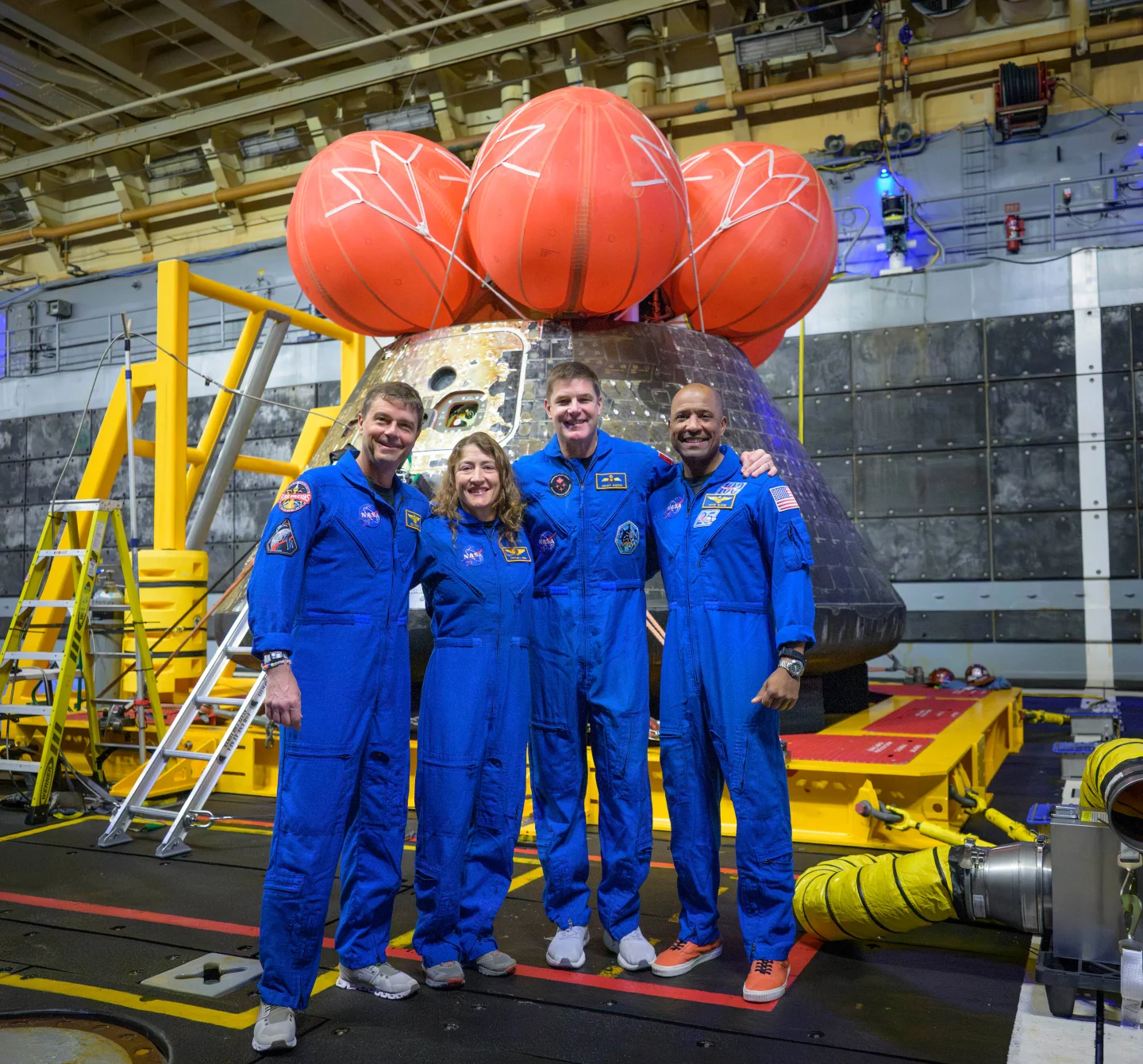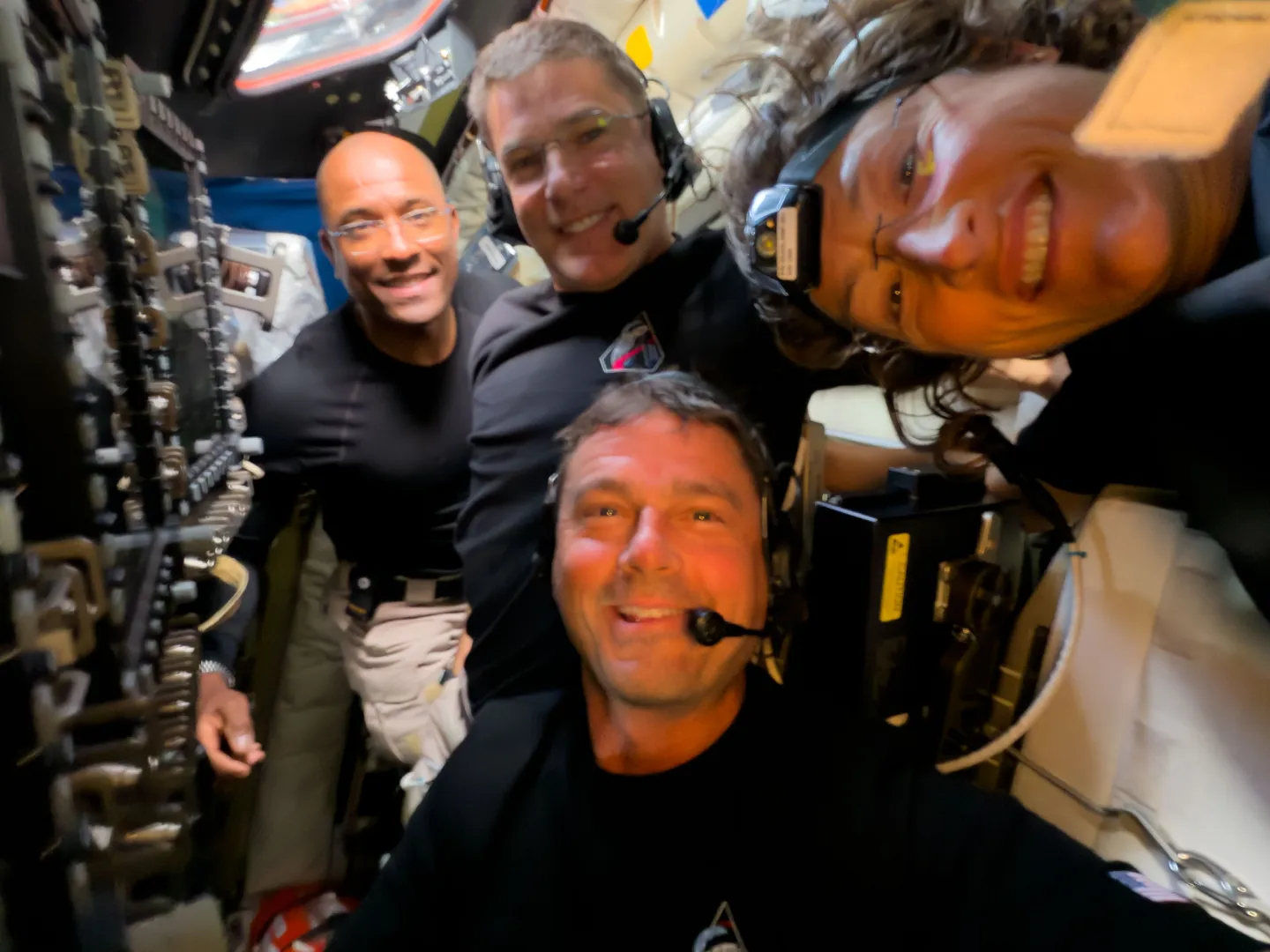
NASA's Artemis II mission has passed every major test since its launch on April 1, with its rocket, spacecraft, and crew performing better than engineers had dared to hope for. The mission's first six days have shown that the Orion capsule works as designed with people on board for the first time - something no simulator could prove. Perhaps its greatest achievement, though, is through the actions of the Artemis crew, which have generated hope, agency, and optimism for a world appearing to be in desperate need of inspiration. But the bigger question remains - is a Moon landing by 2028, as NASA and President Trump want, now really an achievable goal?
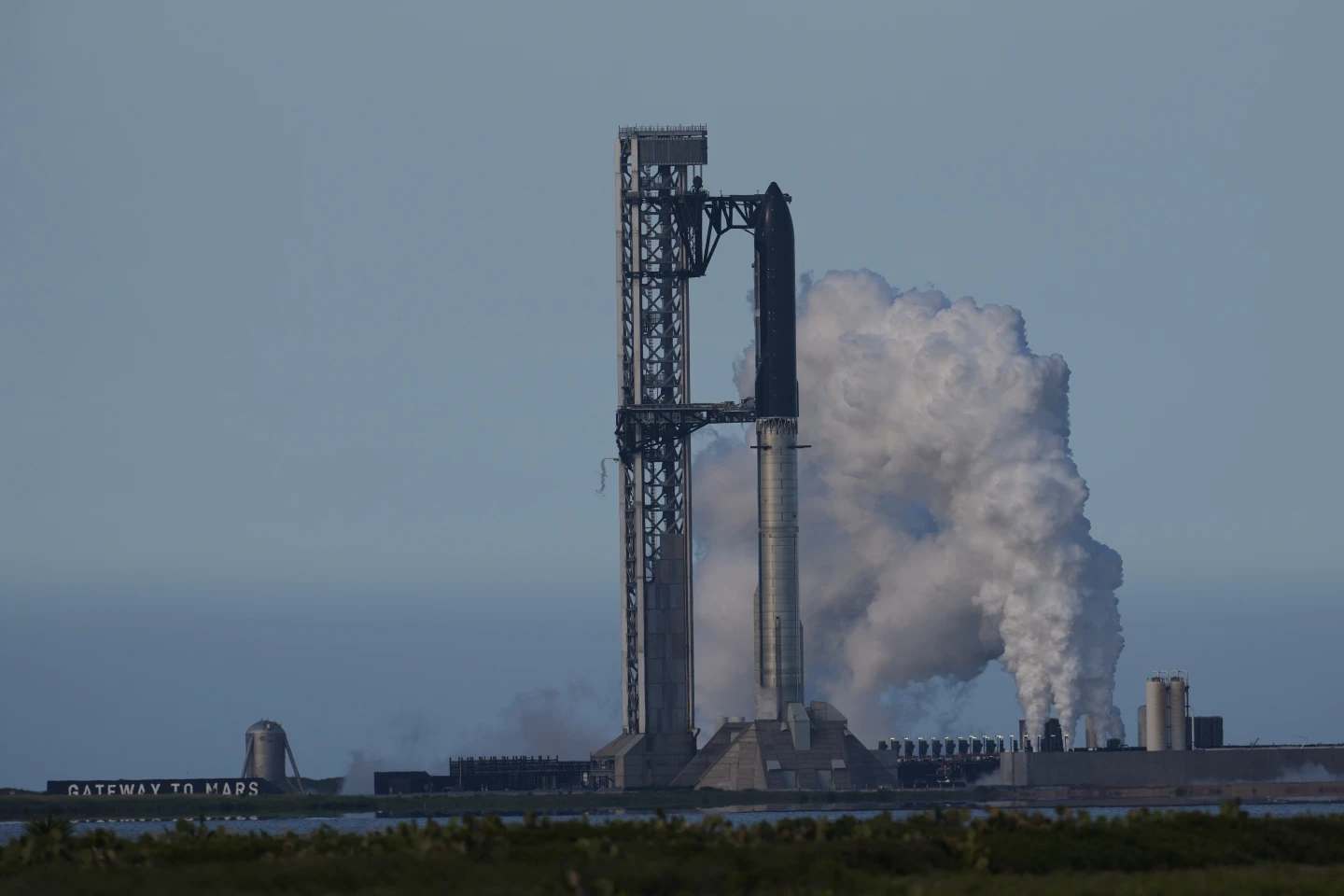
A few days after NASA's Space Launch System (SLS) reached the launch pad at Kennedy Space Centre, the most important lesson about Artemis II had already been learned. After two scrubbed launches in February and March due to separate technical issues, NASA Administrator Jared Isaacman stated that 'launching a rocket as important and as complex as SLS every three years is not a path to success.'
This indicates a recognition of the importance of frequency and reliability in launching complex missions. It reframes everything that has followed and raises questions regarding the pace of future missions. Judged against that ambition, what has the mission shown us in the six days since Reid Wiseman, Victor Glover, Christina Koch, and Jeremy Hansen lifted off? The answer is that more has been accomplished than even the optimists dared hope for.
The SLS generated 8.8 million pounds of thrust at liftoff, with every ascent phase performing to plan. The Orion fired its main engine, executing a 'flawless' translunar injection burn, which set the spacecraft on a looping path to the Moon with no further major maneuvers required.
The overall assessment from experts suggests that the Orion spacecraft seems to have performed well. Engaging with human crew members revealed operational challenges but ultimately reinforced the safety and functionality of the vehicle.
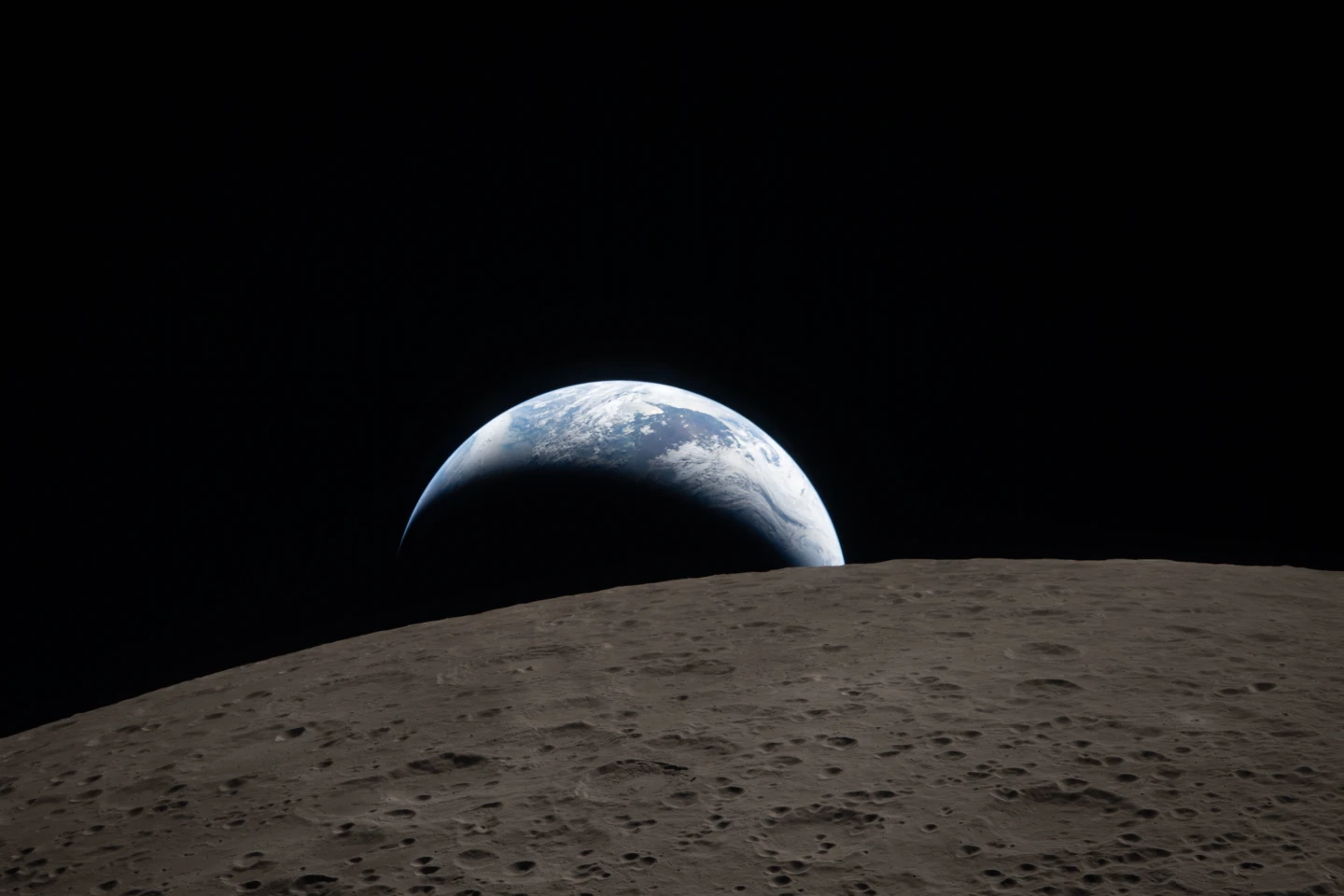
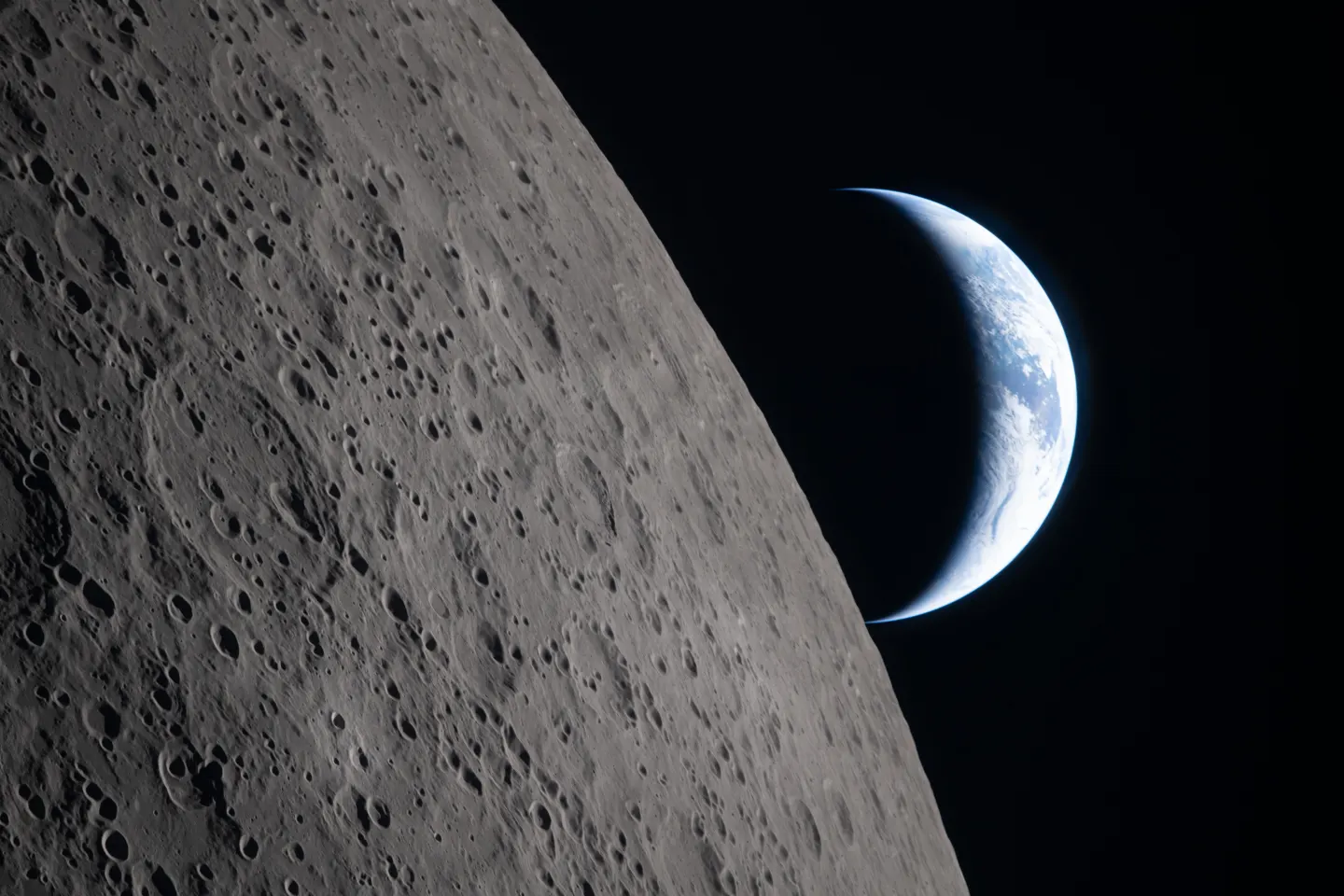
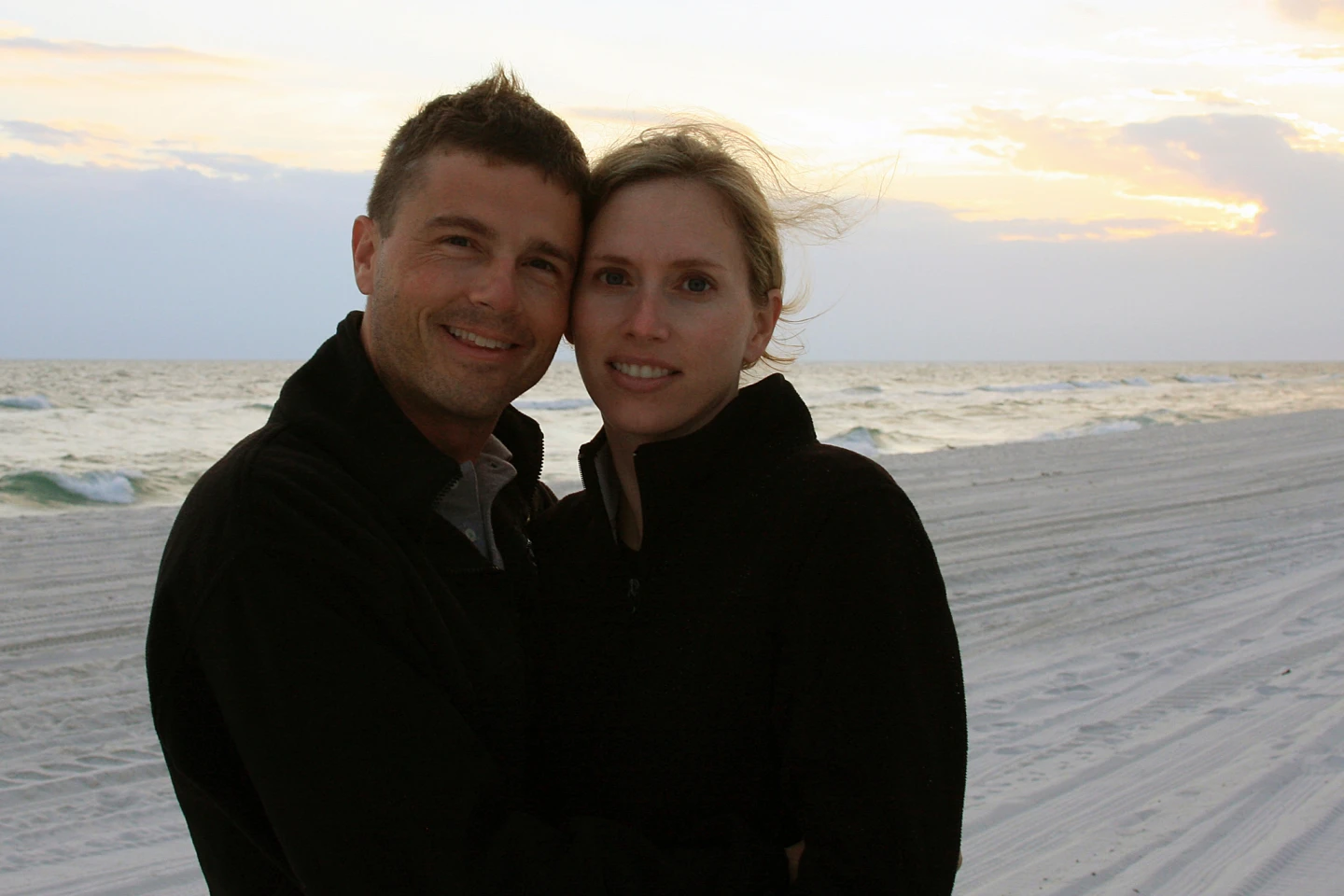
Observations from the crew yielded valuable geological insights during their flyby, and the emotional connection established during the mission serves to remind us of the human aspect of space exploration. As the crew honors lost loved ones during their journey, the significance of their mission transcends scientific metrics alone.
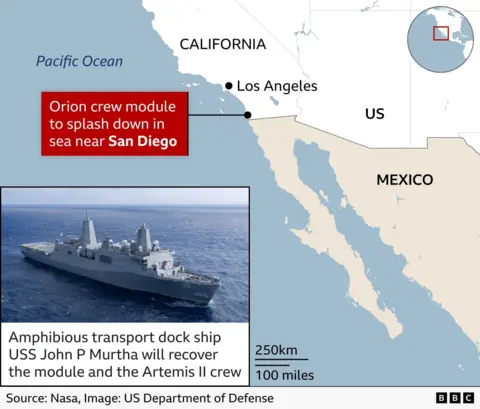
Looking ahead, the Artemis II mission is not yet complete, with the re-entry phase posing the most critical challenge. Should the mission conclude successfully, NASA's focus shifts to ensuring that all components of future Moon landing missions can operate cohesively and effectively. Despite the current timeline aiming for a Moon landing by 2028, the path forward remains uncertain but has been favorably shifted by the outcomes of this mission. In summary, Artemis II is about inspiring a new generation while testing the waters for the future of human spaceflight.
A few days after NASA's Space Launch System (SLS) reached the launch pad at Kennedy Space Centre, the most important lesson about Artemis II had already been learned. After two scrubbed launches in February and March due to separate technical issues, NASA Administrator Jared Isaacman stated that 'launching a rocket as important and as complex as SLS every three years is not a path to success.'
This indicates a recognition of the importance of frequency and reliability in launching complex missions. It reframes everything that has followed and raises questions regarding the pace of future missions. Judged against that ambition, what has the mission shown us in the six days since Reid Wiseman, Victor Glover, Christina Koch, and Jeremy Hansen lifted off? The answer is that more has been accomplished than even the optimists dared hope for.
The SLS generated 8.8 million pounds of thrust at liftoff, with every ascent phase performing to plan. The Orion fired its main engine, executing a 'flawless' translunar injection burn, which set the spacecraft on a looping path to the Moon with no further major maneuvers required.
The overall assessment from experts suggests that the Orion spacecraft seems to have performed well. Engaging with human crew members revealed operational challenges but ultimately reinforced the safety and functionality of the vehicle.
Observations from the crew yielded valuable geological insights during their flyby, and the emotional connection established during the mission serves to remind us of the human aspect of space exploration. As the crew honors lost loved ones during their journey, the significance of their mission transcends scientific metrics alone.
Looking ahead, the Artemis II mission is not yet complete, with the re-entry phase posing the most critical challenge. Should the mission conclude successfully, NASA's focus shifts to ensuring that all components of future Moon landing missions can operate cohesively and effectively. Despite the current timeline aiming for a Moon landing by 2028, the path forward remains uncertain but has been favorably shifted by the outcomes of this mission. In summary, Artemis II is about inspiring a new generation while testing the waters for the future of human spaceflight.