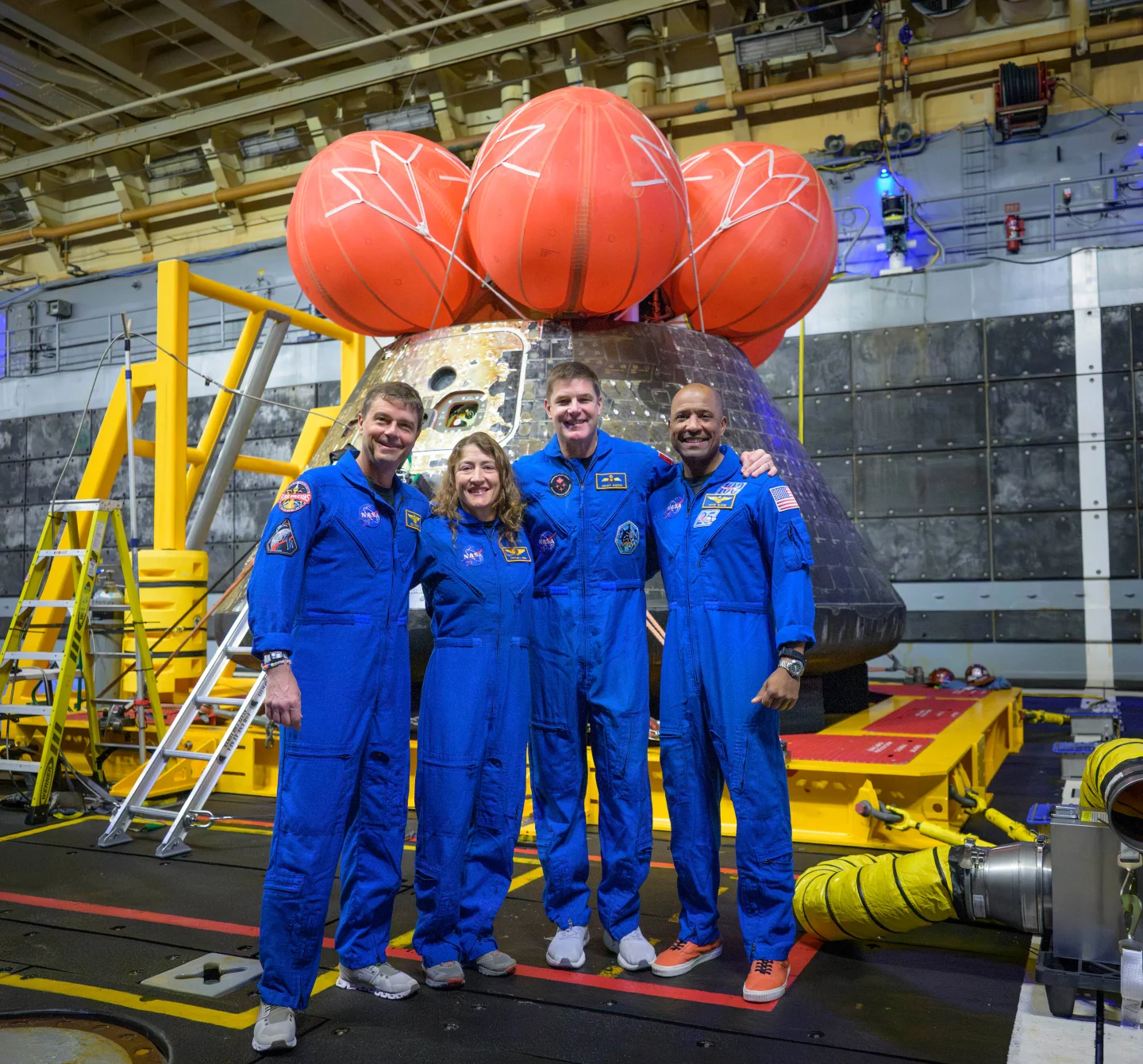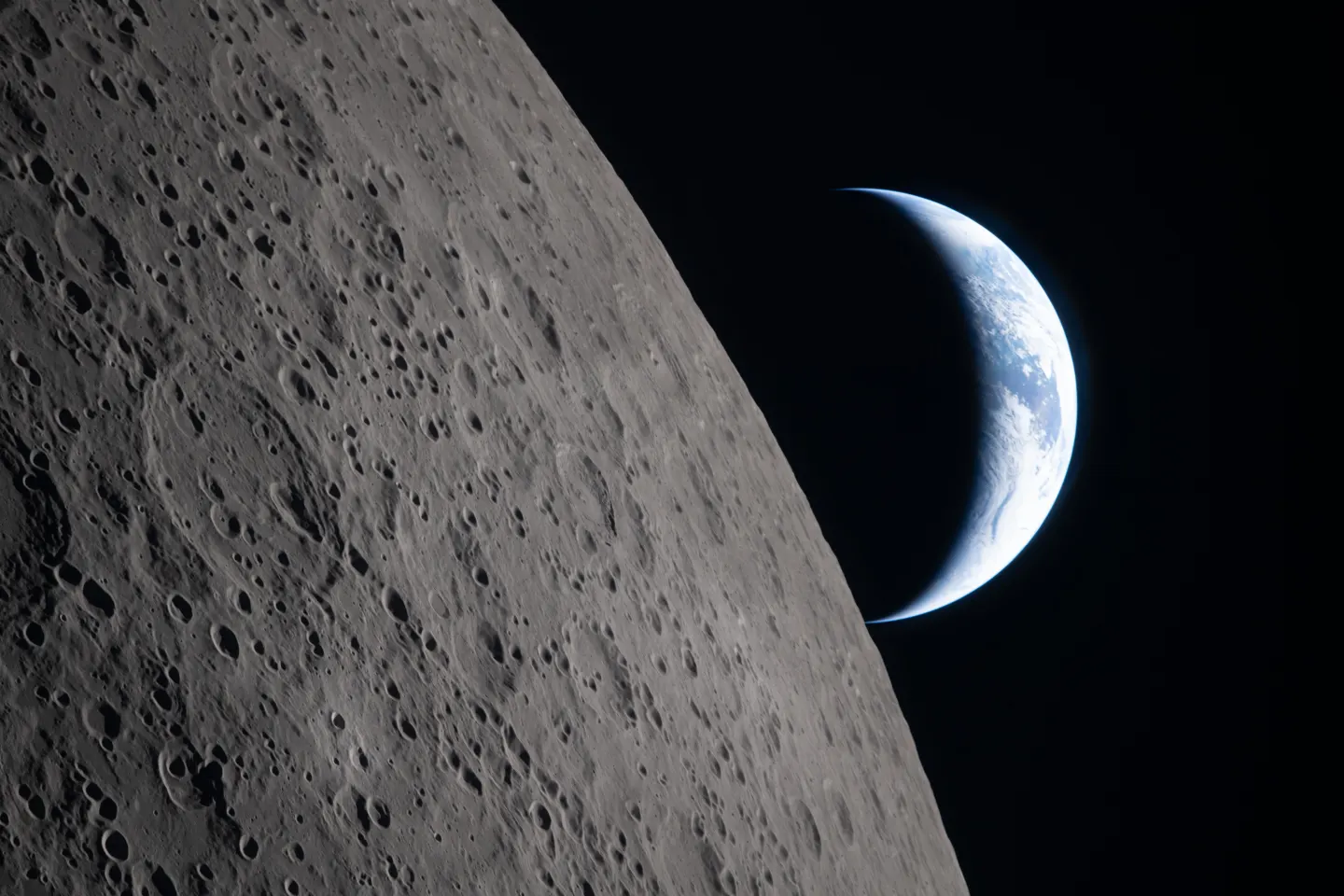
HOUSTON (AP) — The Artemis II astronauts are geared up to make history as they embark on a remarkable lunar flyby, anticipating breathtaking views of the Moon's far side that have never been witnessed by human eyes. This mission represents NASA's first crewed journey back to the Moon since the Apollo era, featuring a crew of three Americans and one Canadian.
Less than one hour prior to the start of their six-hour lunar trek, the Artemis II crew—Commander Reid Wiseman, pilot Victor Glover, Christina Koch, and Jeremy Hansen—are set to break the previous distance record of 248,655 miles established by Apollo 13 in 1970, surpassing it by more than 4,100 miles.
Utilizing a free-return trajectory similar to that used by Apollo 13 after its oxygen tank incident, this route will allow Artemis II to maximize gravitational resources, ensuring a safe return to Earth while minimizing fuel consumption.
The crew is expected to come within approximately 4,070 miles of the Moon, turning back towards Earth after passing behind the lunar body. They will spend four days returning, culminating in a Pacific splashdown by the end of the week.
Wiseman emphasized the significance of the mission, stating that they have studied lunar geography extensively, with specific targets including Orientale Basin, as well as the Apollo 12 and 14 landing sites. The astronauts aim to capture thousands of pictures during their flyby, hoping to enhance global connections to space exploration.
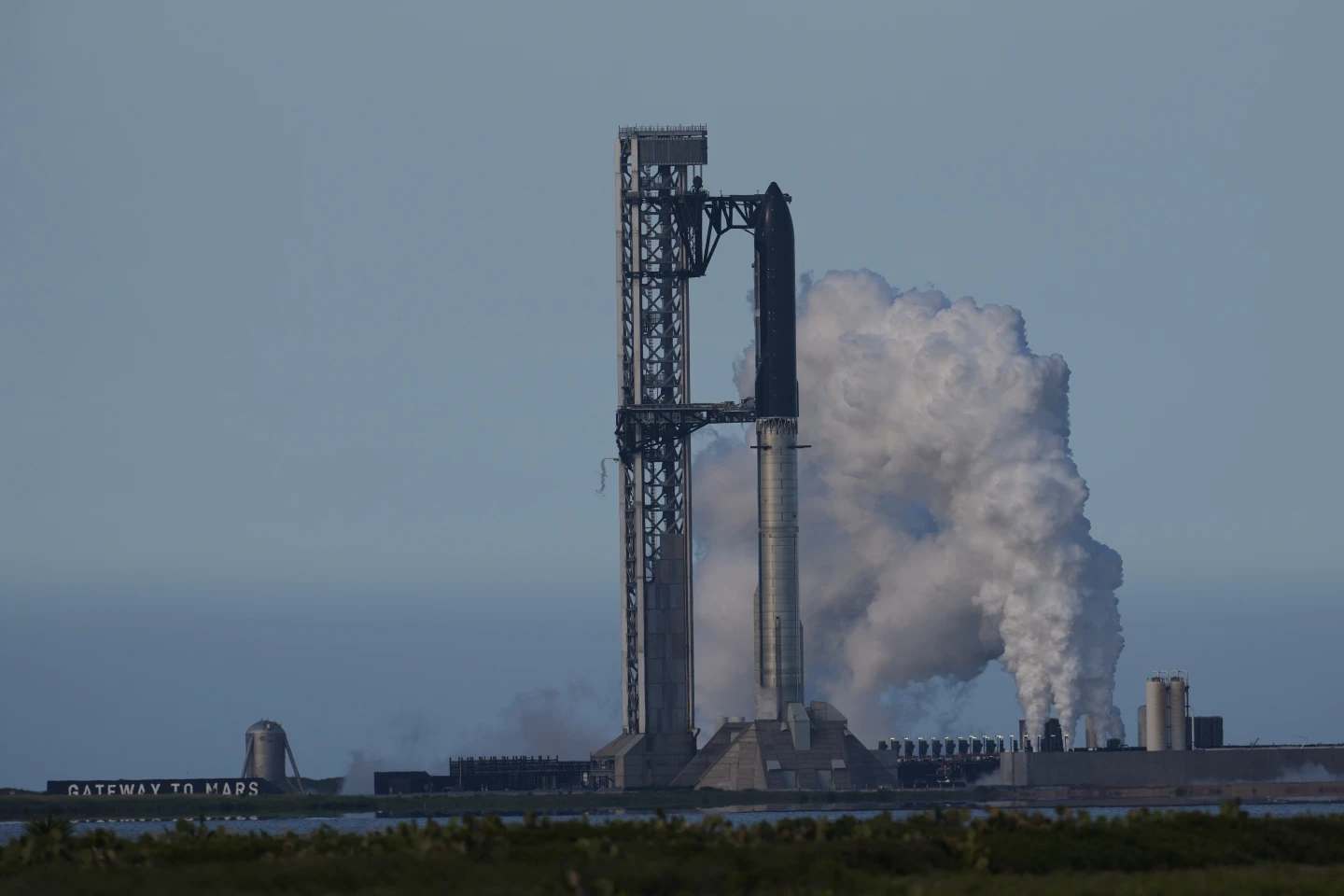
As NASA conducts its first astronaut Moon mission since 1972, this historical endeavor sets the groundwork for future lunar ventures, including Artemis III, which is slated to involve docking practices with lunar landers in 2027, and culminating in a Moon landing by two astronauts on Artemis IV in 2028.
Reflecting on the experience, Glover noted that flying to the Moon during Holy Week gave him a greater appreciation for Earth's beauty in the vast emptiness of space, underscoring a universal message of unity among humanity.