PORTLAND, Ore. (AP) — Conservation groups, Native American tribes, and the states of Oregon and Washington convened in court to address urgent changes needed for dam operations on the Snake and Columbia Rivers. This action follows the recent failure of a crucial agreement with the federal government aimed at the recovery of critically endangered salmon populations.
Last year, former President Donald Trump derailed a deal initiated by the Biden administration, which included a proposed $1 billion investment over ten years to restore salmon habitats while promoting clean energy projects for tribal communities. The White House criticized the initiative vehemently, labeling it 'radical environmentalism.'
As arguments unfolded, U.S. District Judge Michael Simon noted the repetitive nature of the litigation surrounding fish conservation efforts. Plaintiffs assert that the federal government's operations of the dams are in violation of the Endangered Species Act.
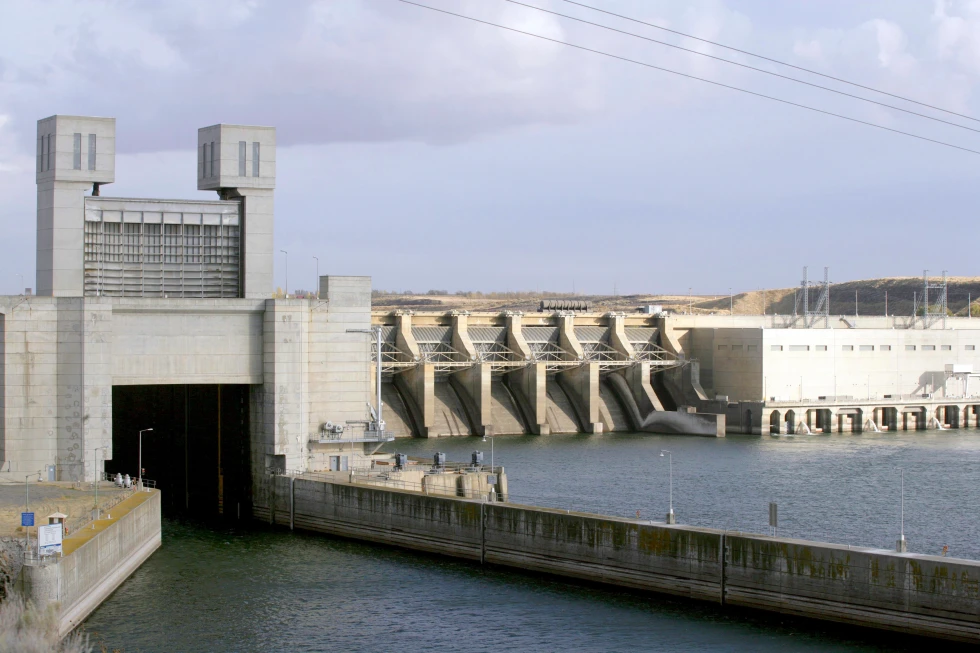
The plaintiffs are seeking specific modifications at eight large hydropower dams to foster safer passage for salmon, including lowering water levels and increasing spillways to assist juvenile fish in bypassing turbines.
“We are looking at fish that are on the cusp of extinction,” emphasized Amanda Goodin, representing Earthjustice. “This is not a situation that can wait.”
However, the federal government's legal representation countered that increasing water spill does not guarantee benefits for salmon, claiming such orders could jeopardize safe and efficient dam operations and potentially inflate utility costs.
This saga traces back to when Trump withdrew from the Resilient Columbia Basin Agreement last June—an act that halted a previous pause in extensive litigation.
With support from the Nez Perce Tribe and Yakama Nation as friends of the court, Oregon filed a motion for preliminary injunction, highlighting salmon's significance in the cultural fabric of Northwest tribal life.
Historically, the Columbia River Basin has been a critical habitat, once teeming with diverse salmon populations. Yet, today, the landscape has changed drastically, with at least four stocks facing extinction and another seven classified as either endangered or threatened.
The construction of numerous dams since the 1930s transformed regions, aiding economic growth but also contributing significantly to the decline in salmon populations, which are viewed as central to many tribes' cultural identities.
Opponents of dam operation changes, such as the Inland Ports and Navigation Group, argue that these proposals threaten the flow of commerce critical to local economies. Yet, advocates insist that safeguarding salmon is equally vital.
Jeremy Takala of the Yakama Nation Tribal Council articulated the personal stakes involved: “This is very personal to me... Every season of lower survival means closed subsistence fisheries, loss of ceremonies, and fewer elders able to pass on fishing traditions to the next generation.”
The dams in question include the Ice Harbor, Lower Monumental, Little Goose, and Lower Granite on the Snake River, alongside Bonneville, The Dalles, John Day, and McNary on the Columbia.