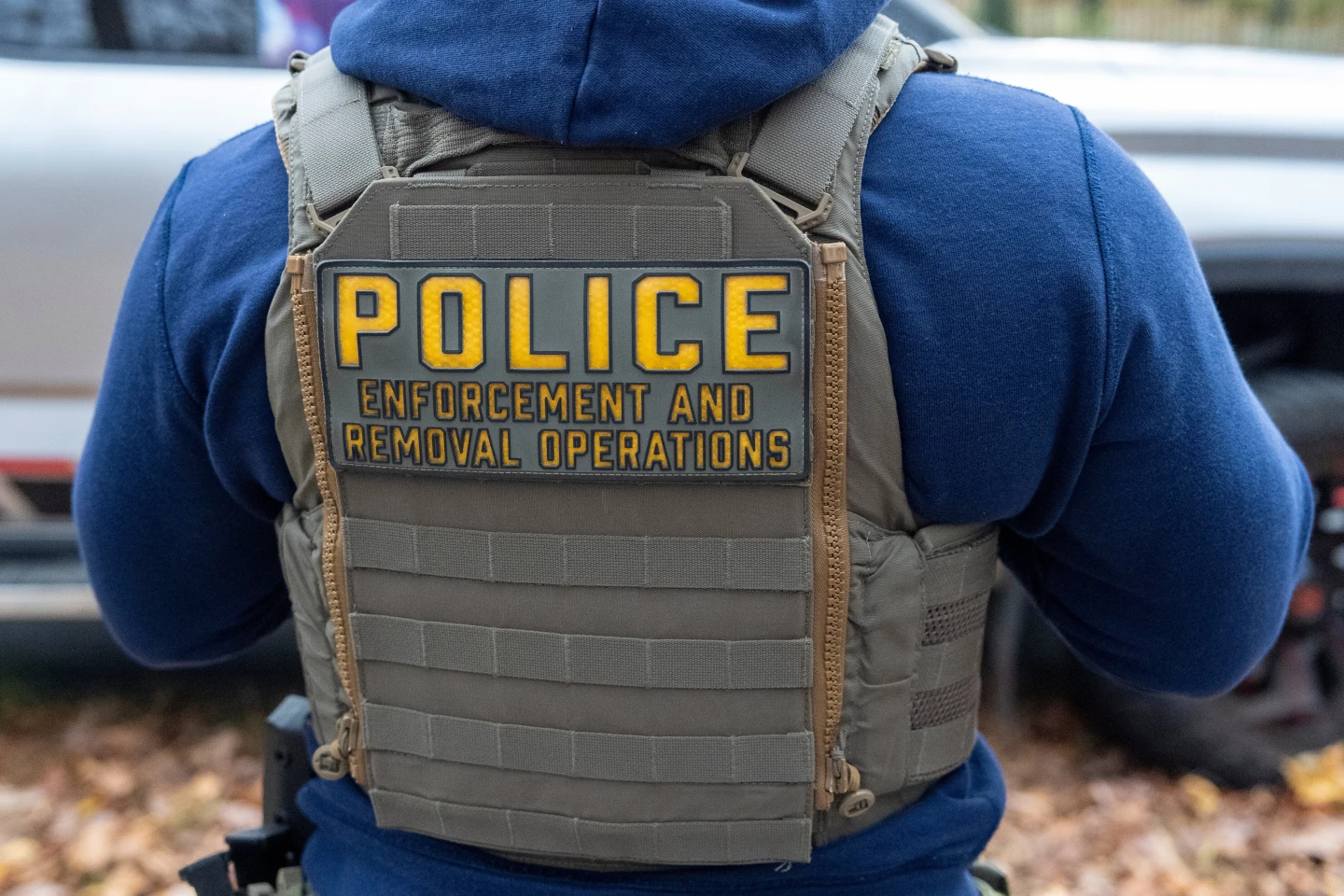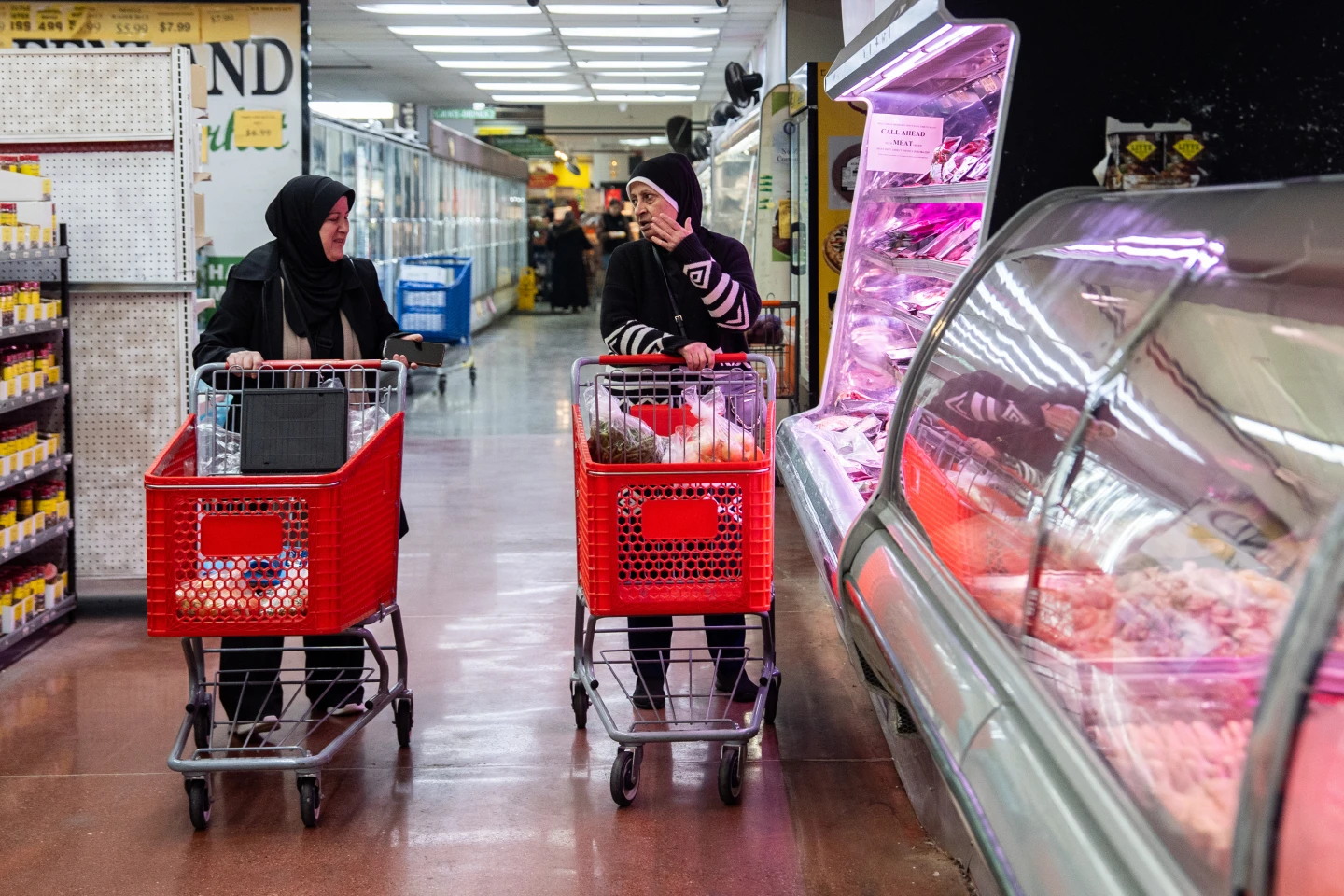
At Taste of East African in Minneapolis, the manager and owner are the only employees who come to work now, serving new customers who aren’t familiar with the food but are trying to support a restaurant challenged by a federal immigration enforcement surge.
Like the employees, the usual patrons are afraid to come to a restaurant in an area heavily populated by immigrants that has been a frequent target of immigrant enforcement actions. Gig workers aren’t accepting orders for delivery because they, too, are afraid.
“Even if you tell ICE (Immigration and Customs Enforcement) you’re a citizen they won’t listen, so everyone is scared,” said the restaurant’s manager, Hibaq Nimale, a U.S. citizen raised in Kenya as a refugee from Somalia.
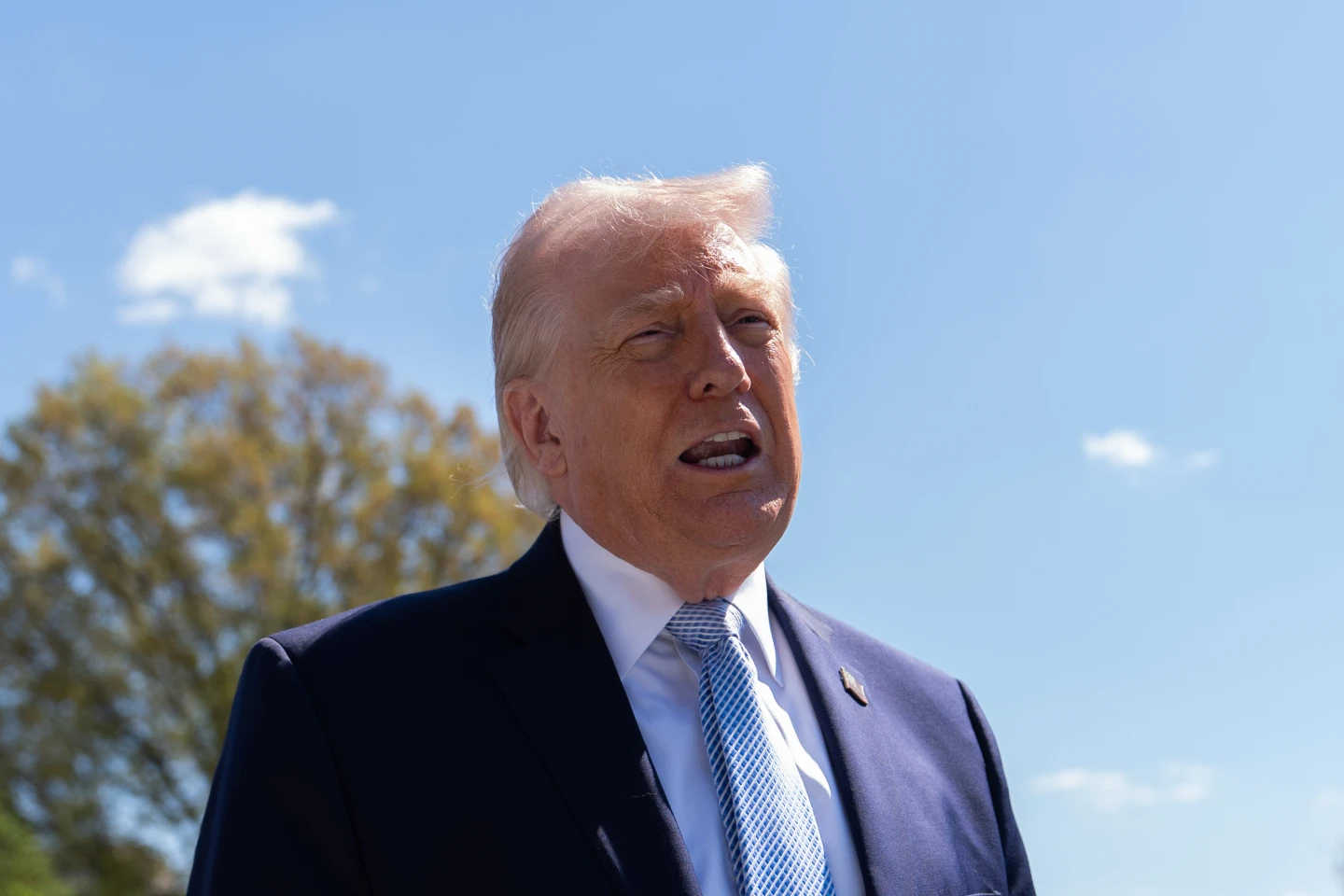
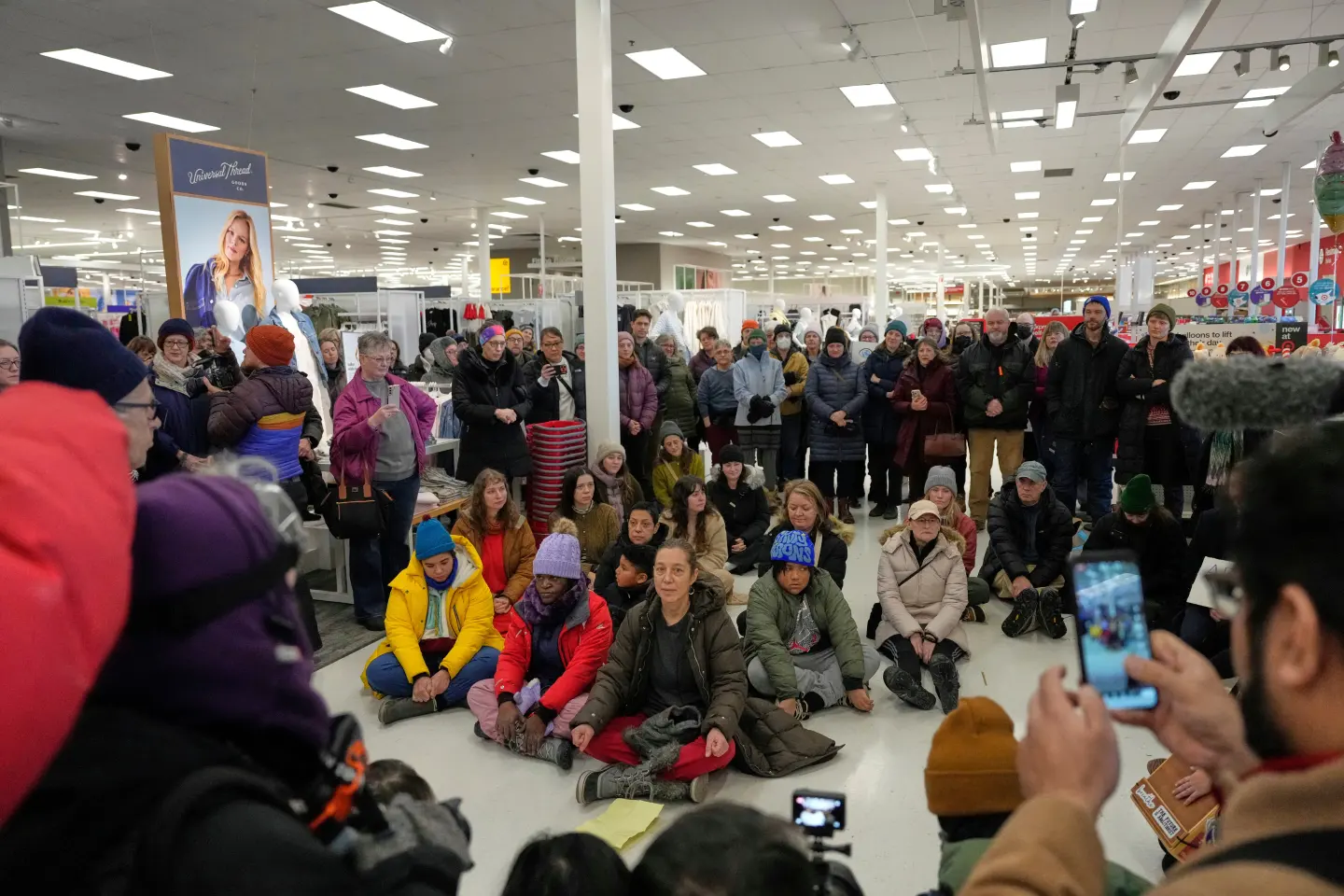
Businesses across large swaths of Minneapolis have taken a hit as President Donald Trump’s administration carries out a massive immigration sweep that has spurred protests. As staff and customers stay home and protesters target businesses they see as aiding federal immigration enforcement, countless stores have temporarily closed, canceled events or reduced hours. Some hotels that housed federal immigration officers and saw protests have stopped accepting reservations altogether, while Minneapolis-based Target Corp. also has seen protests.
Adding to an already struggling economy
The state of Minnesota and the Twin Cities cited devastating economic impacts in a lawsuit filed this month urging a federal judge to halt the immigration operations. The lawsuit asserted that some businesses have reported sales drops of up to 80%.
An October report from the Minneapolis Federal Reserve noted sluggish economic indicators even before over 2,000 federal immigration officers began arriving in Minneapolis and St. Paul. But a January report emphasized that some Minnesota businesses experienced dampened sales and slower foot traffic out of “fear of immigration enforcement.” Nearly 20% of all businesses surveyed reported lower employment head counts citing similar concerns.
Even white-collar businesses have been impacted, according to Fred Haberman, co-founder of a marketing firm in Minneapolis, due to significant disruptions to the support systems like schools and daycare programs that employees depend on to maintain their schedules.
“I’m seeing it impact everybody, just because of the lower levels of people traveling and spending discretionary income,” Adam Duininck, CEO of the Minneapolis Downtown Improvement District, said.
Nimale said the economic challenges have been temporarily offset by support from her non-immigrant neighbors. While she estimates 80% of her former customers were Somali, new patrons unfamiliar with the regional cuisine are stepping in, albeit with slower service. “We don’t know how long we can get support,” she stressed.
Massive hotel chains, like Hilton, have struggled to navigate the conflict, with some locations canceling reservations for federal immigration officers following protests. The local economic landscape could be permanently altered if the federal government doesn’t reverse course soon, according to Fred Haberman.
Faith leaders and activists are encouraging the community to boycott businesses in solidarity, highlighting the potential for economic leverage as a protest strategy against federal immigration enforcement policies.