PORTLAND, Ore. (AP) — Pacific Northwest residents braced for another round of heavy rain Wednesday after a powerful storm clobbered the region the day before, swelling rivers, closing roads, and prompting high water rescues.
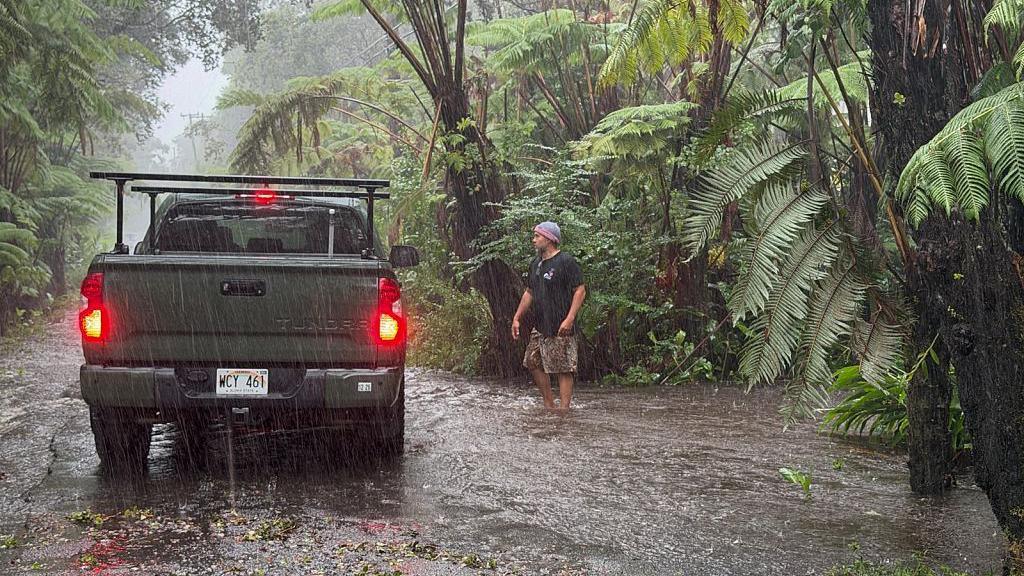
The first in what is expected to be a series of damaging storms this week caused power outages, flooding, and school closures in parts of Oregon and Washington on Tuesday. Drivers had to navigate debris slides and water that closed roads and submerged vehicles.
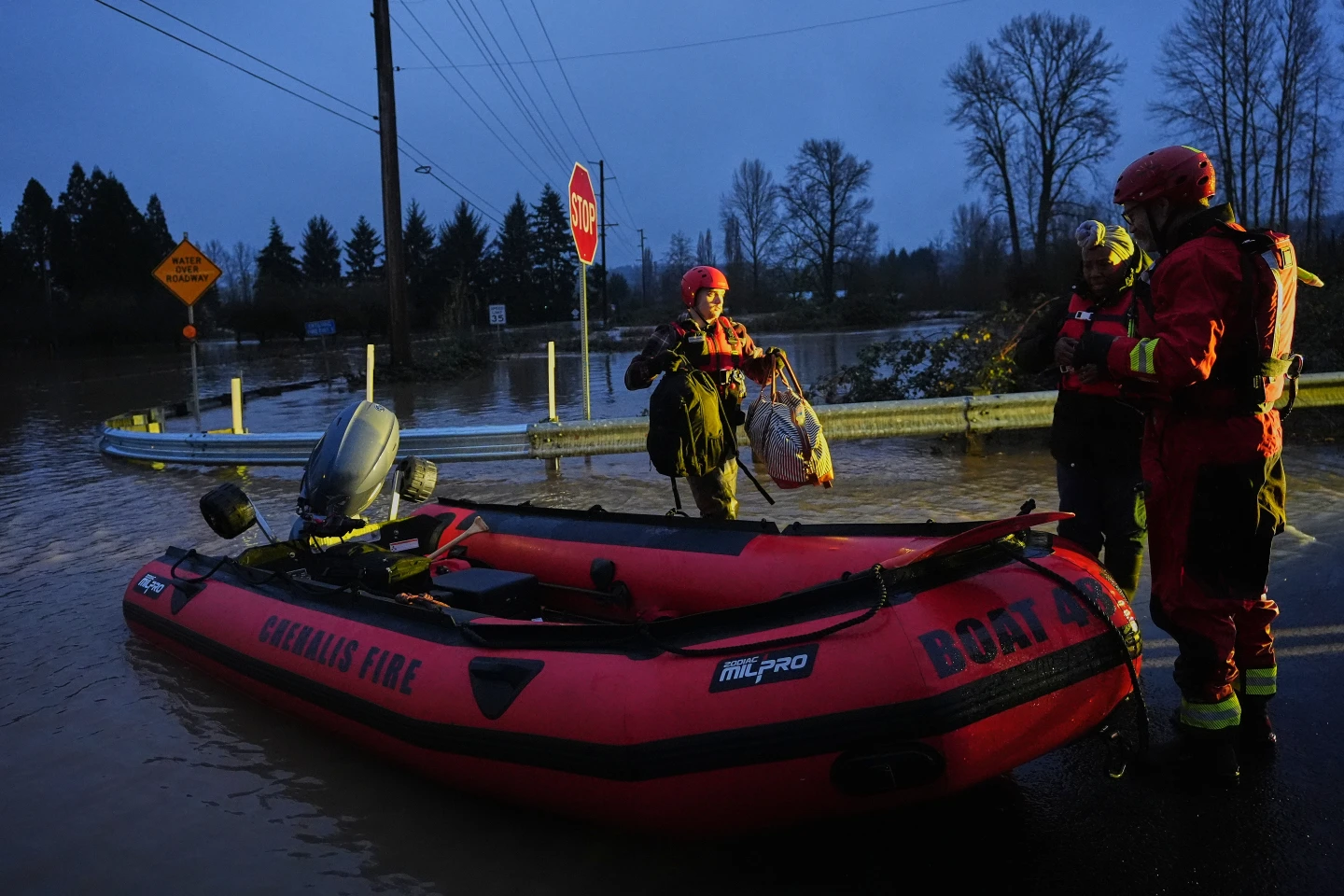
Fire officials northeast of Seattle reported rescue crews using inflatable kayaks to pull people from stranded cars, additionally rescuing individuals trapped in the woods as rising waters escalated.
Washington Gov. Bob Ferguson noted that the state’s Emergency Operations Center reached its highest activation level due to the unprecedented rain and wind.
Forecasters have warned that the worst is yet to come, with significant flooding likely as major rivers are expected to crest later this week. The Skagit River near Concrete, northeast of Seattle, could rise over 15 feet (4.6 meters) above major flooding levels by Thursday, which would set a new record, according to the National Water Prediction Service.
National Weather Service meteorologist Harrison Rademacher described the atmospheric river soaking the region as “a jet stream of moisture” stretching across the Pacific Ocean, maintaining that a continued pattern of unsettled weather is to be expected for the region. Heavy rainfall is anticipated, particularly along the coast, and meteorologists predict over a foot (30 centimeters) of new snow in the northern Rockies.
Emergency services in Lewis County have conducted multiple rescues amid flash flooding threats. Many residents were warned as authorities mobilized to protect communities and bolster flood control measures.
As Portland safety officials cautioned drivers about increased risks of hydroplaning and accidents due to flooded roads, emergency shelters have been opened to support displaced families. Meanwhile, Alaska anticipates severe cold temperatures amid contrasting weather patterns across the U.S.