In brief
After Chief Justice Surya Kant’s remarks about youth and a refusal to address alleged police brutality, law students at Hyderabad’s Nalsar University sent an email asking the university to drop the chief justice as chief‑guest at their convocation. The demand echoed in Bengaluru’s National Law School of India, where students also declined the Chief Justice’s presence and protested the Bar Council’s threatened sanctions. The backdrop is the “Cockroach Janta Party” movement born from Kant’s remarks, which mobilised students nationwide and sparked protests that led to a minister’s resignation. Despite the Chief Justice’s later clarifications and the Bar Council’s decision to retract the threat, the controversy continues to pulse through India’s premier legal institutions. The incident underscores a growing gap between the judiciary’s stance and the youth’s expectations of accountability and reform.
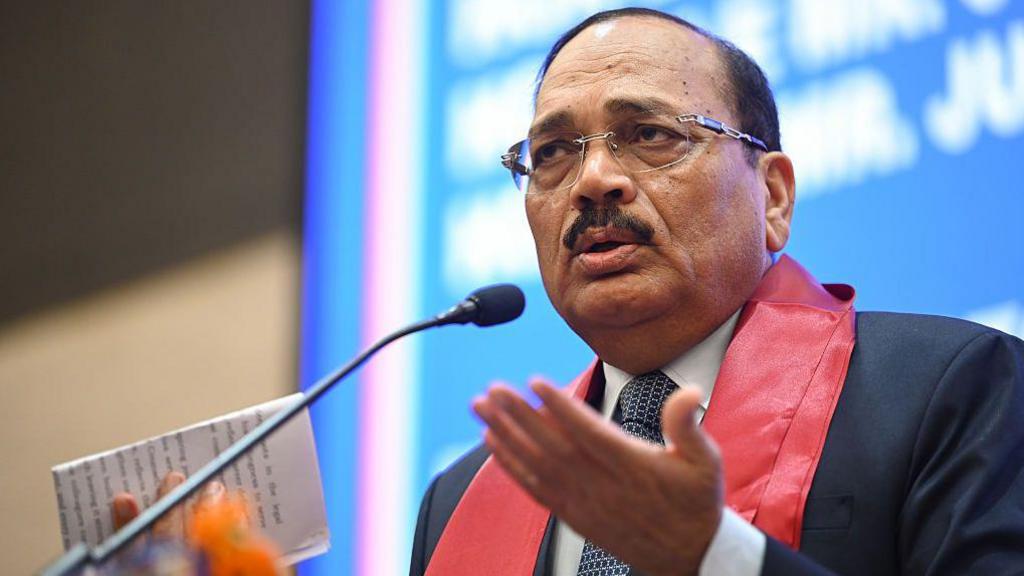
When the Chief Justice of India, Surya Kant, was invited as chief‑guest for the 2026 graduating ceremony at Hyderabad’s Nalsar University, a group of students sent an email refusing to have him in the role. The students, numbering about 450 out of 1,400, argued that the judge’s recent remarks—describing some youth as “cockroaches” and “parasites” and dismissing reports of police brutality—made his presence uncomfortable and contradictory to what they had learned at the law school. The same protest spread to Bengaluru’s National Law School of India, where students also asked the university to avoid inviting the CJI and staged an open letter condemning the Bar Council’s threat to bar graduating Nalsar students.Kant later clarified that he had not refused to hear complaints on police excesses; he said the relevant matters had to be filed properly, and the Supreme Court has begun hearing cases on alleged violence and police use of face‑recognition technology. Nevertheless the back‑lashes continued: Bar Council Chairman Manan Kumar Mishra, an MP from the ruling BJP, announced that the Nalsar graduates would be barred from enrollment until the Council issued further orders. The Chairman quickly reversed the statement after widespread backlash from the judiciary, lawyers and the public.The controversy stems from a March 2026 remark that Kant likened certain youth to “cockroaches” in a light‑hearted courtroom exchange. That comment ignited the online satirical political movement called the Cockroach Janta Party (CJP), which drew millions of students, sparked protests across the capital, and culminated in the resignation of education minister Dharmendra Pradhan. Even as the CJP movement faded after the minister’s resignation, its legacy of public outrage over perceived injustice continues to influence India’s top law schools.