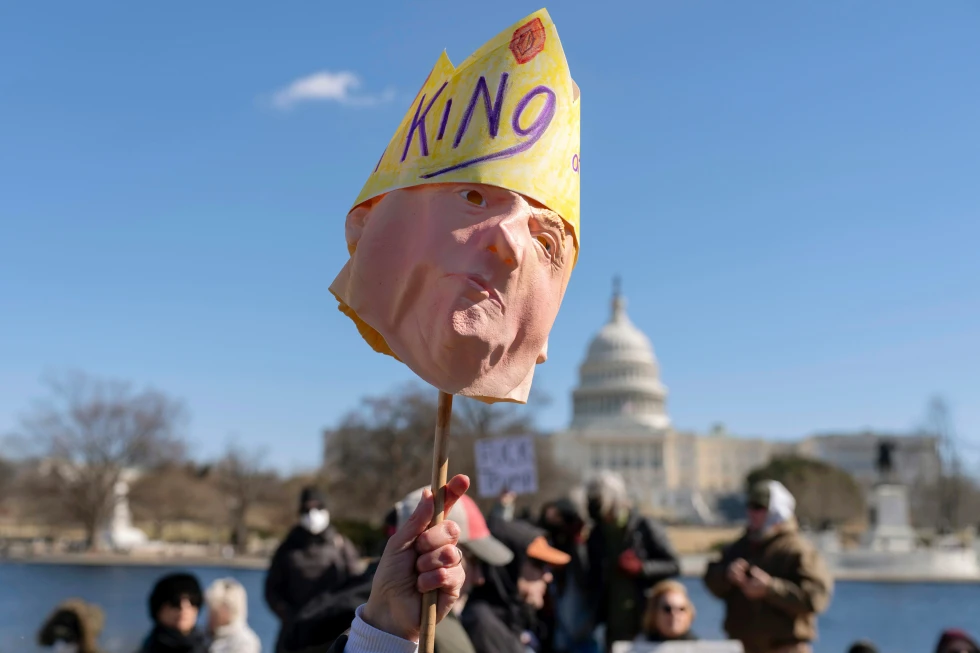
A third round of “No Kings” protests is set to unfold this spring, with organizers aiming for an unprecedented scale in demonstrations against perceived authoritarianism under President Donald Trump.
Scheduled for March 28, the protests are expected to draw millions, fueled by recent violent confrontations in Minneapolis during an immigration crackdown, which resulted in the tragic deaths of two individuals.
We expect this to be the largest protest in American history, stated Ezra Levin, co-executive director of Indivisible. Levin anticipates a turnout possibly reaching 9 million people across the United States.
The “No Kings” protests, organized by various advocacy groups nationwide, have become a rallying point for those opposing Trump's perceived efforts to consolidate power. Levin emphasized that the protests are a reaction to ongoing assaults on democracy and a call for communities to defend their constitutional rights.
‘No Kings’ Protests Intensify Following Minneapolis Tragedy
While the latest protest plans were underway prior to the Minneapolis incident, the deaths have intensified their focus. Levin expressed a commitment to showing solidarity with affected communities, particularly immigrant populations, and opposing what he termed a 'secret police force' that infringes on citizens' rights.
He commented, The only way to defend those rights is to exercise them, and that’s what we intend to do in ‘No Kings’ three—through nonviolent but decisive actions.
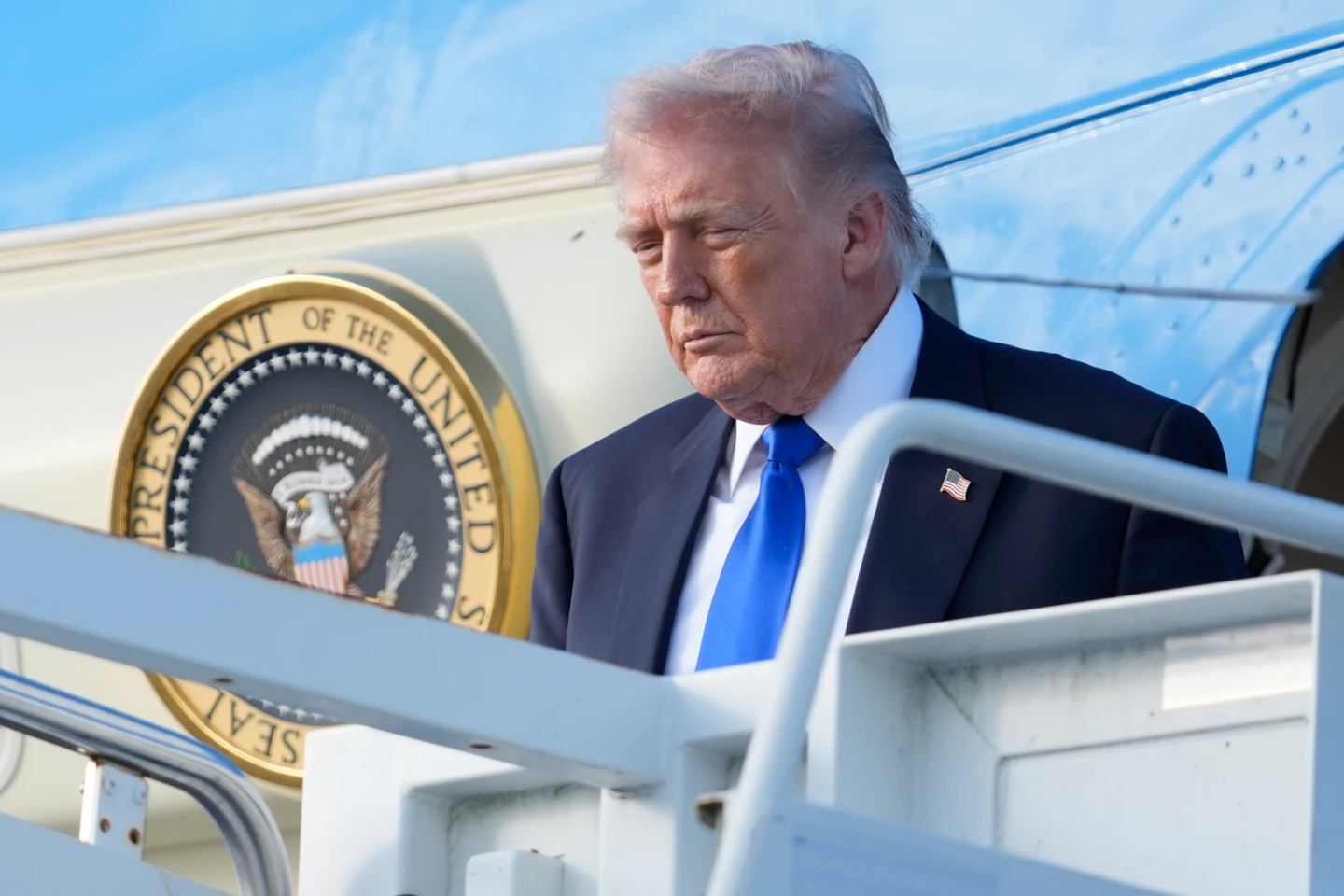
Trump has defended his immigration policy and attributed blame to local officials for the violence. However, he has indicated a potential shift in response to bipartisan critique regarding the deaths occurring during federal enforcement in Minneapolis.
The Impact of Previous Protests
Last year saw the first set of “No Kings” protests, with nearly 2,000 gatherings organized across the nation, primarily in response to conflicts around immigration and federal enforcement actions. The protests highlighted opposition to Trump’s military engagement and policies that many perceive as authoritarian in nature.
In subsequent protests, demonstrations spread even wider, with about 2,700 locations reporting gatherings. Levin pointed out a multitude of concerns driving these actions—from immigration policy to press freedom restrictions—stating that these represent existential threats to American democracy.
Despite Trump’s critique of the protests and attempts to downplay their significance, Levin maintains that the focus should remain on ensuring sustainable resistance to the current administration's actions.
“This isn’t about Democrats versus Republicans. It’s about the very essence of democracy, and we need to constantly engage in this critical moment,” Levin remarked.