Is Soccer’s U.S. Breakthrough at the 2026 World Cup?
The United States is being asked whether soccer has finally moved from the sidelines into mainstream attention, and the 2026 World Cup appears to be the event that could answer that question.
Unprecedented Public Engagement
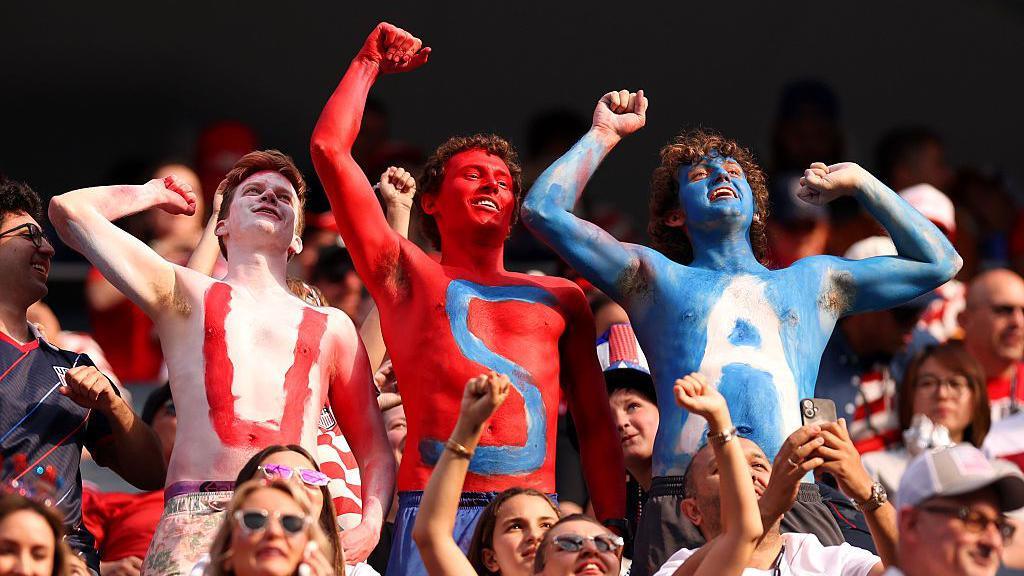
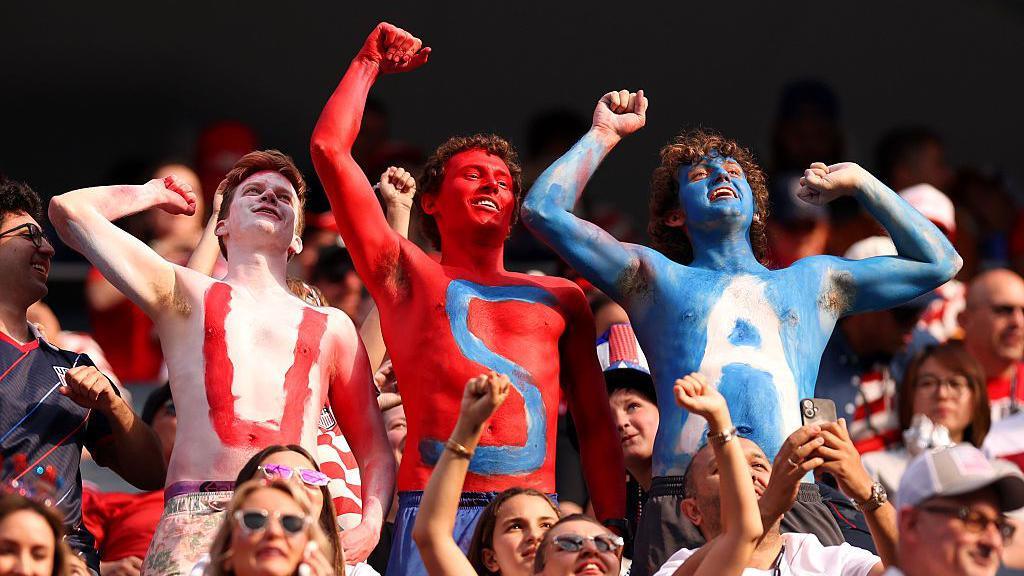
The tournament’s opening game drew 18 million viewers in the U.S., with another seven million tuning in on Spanish‑language networks. In the first two weeks, fan‑attendance hit 3.6 million – a new record that surpasses the 1994 figure of 3.58 million.
Across the host nations, there have been pop‑up shops, viewing parties outside cafés, markets and even museums. In Los Angeles, a line for a burrito stretched near the match‑day fan zone, underscoring how the World Cup has become a daily household occasion rather than a niche event.
Growing Youth Participation
In communities where soccer is still a new sport, teenagers have already begun picking up the ball. One 16‑year‑old, after watching the USMNT in the tournament, said the World Cup rekindled her interest in playing.
The hype is definitely here for the World Cup – it will persist until the tournament ends, but soccer is likely to stay beyond that.
While the sport’s popularity is growing, analysts point out that soccer’s definitions of success differ markedly from American sports. Winning a single game does not guarantee a long‑term dynasty, and that blunt reality can be unappealing to a culture that prizes flawless winning records.
Institutional Support and Media Reach
Major League Soccer has expanded to 30 teams across the United States and Canada, drawing global stars such as Lionel Messi. Yet the biggest draws remain European leagues; the Premier League and La Liga now command high rights revenue, making the U.S. the largest foreign market for the four premier European leagues.
The U.S.’s increasing interest is also reflected in the way fans absorb soccer through streaming, television programs and best‑selling films like Ted Lasso and Welcome to Wrexham, which help translate the sport to American viewers.
What Could Make This Moment Last?
Much depends on the USMNT’s performance against Belgium on Monday. Should the team advance to the last eight, the remainder of the World Cup could cement a lasting change in the sport’s American profile.
Still, it remains to be shown whether the current surge is a transient spike or the start of a new era. Analysts argue that sustaining fandom requires more than a fleeting novelty; it demands clear investment and a shift in how the sport fits into the everyday entertainment choices of U.S. audiences.