In brief
Reports indicate that Iran has intensified the recruitment of children for security roles amidst ongoing conflict. Following the tragic death of an 11-year-old boy who was reportedly manning a checkpoint, eyewitness accounts have confirmed the presence of armed minors in various cities. Human rights organizations condemn these developments as grave violations of children's rights.
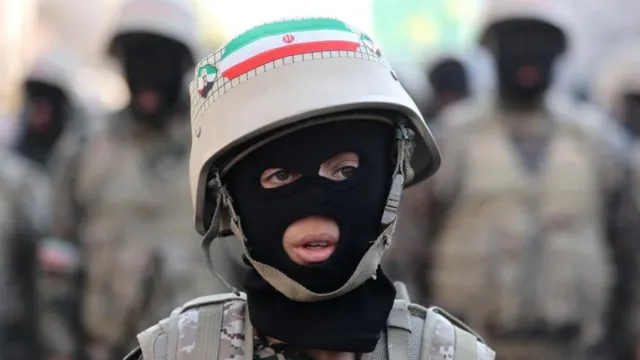
The death of an 11-year-old Iranian boy reportedly in an air strike while manning a security checkpoint alongside his father in Tehran has thrown focus on a new initiative to recruit children into the security services. Alireza Jafari's mother Sadaf Monfared told the municipality-run newspaper Hamshahri that the pair had been helping Basij volunteer militia patrols and checkpoints to 'maintain the security of Tehran and its people' when they were killed on 11 March.Last week, an Islamic Revolutionary Guard Corps (IRGC) official in Tehran told the IRGC-affiliated Fars News Agency that the organisation would enrol 'volunteers' aged 12 and above. Eyewitnesses reported seeing children, including some armed, in security roles in the capital and other cities.Alireza's death has been corroborated by foreign-based human rights organizations. The Kurdish group Hengaw confirmed that he was a 'fifth-grade student' killed while at a checkpoint. Eyewitness accounts indicate a troubling trend, suggesting children have been present at security checkpoints in Tehran, Karaj, and Rasht.Hamshahri newspaper reported that Alireza and his father were struck by an 'Israeli drone strike.' The Israel Defense Forces (IDF) stated they were unable to verify the incident without specific coordinates. According to Rahim Nadali of IRGC, the initiative known as Homeland Defender Fighters for Iran will assign children various duties, such as patrols and checkpoint deployment. Recruitment efforts are expected to take place in mosques and public squares.Despite a government-imposed internet outage, reports from within Iran point to a concerning development, with many suggesting this practice of using children in security capacities is growing. Eyewitnesses have shared harrowing accounts of minors operating checkpoints with weapons.Human Rights Watch describes the recruitment of children as a 'grave violation' and a potential war crime. Experts emphasize the dangers this poses, not only to the children involved but also to society at large, given the potential for untrained minors to escalate situations and inadvertently increase violence.The recruitment of minors into security roles underscores the Iranian regime's increasing desperation amidst widespread discontent and a diminishing pool of adult recruits to maintain control during times of turmoil.