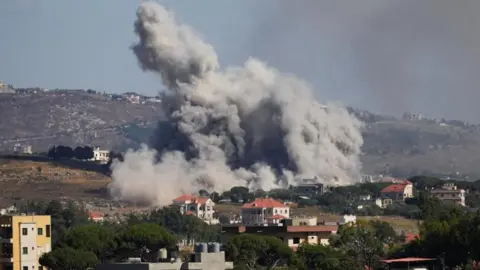
Amidst rising tensions and military operations, the conversations around prediction markets in the United States have reached a fever pitch. As an airman was reported downed in Iran, betting activities surged on platforms like Polymarket, prompting scrutiny from members of Congress over the morality and legality of such markets.
Representative Seth Moulton, along with other lawmakers, expressed alarm over what he termed a 'dystopian death market' that allows users to make bets on the outcomes of military rescues and foreign conflicts. The prediction market allowed users to bet on when the airman would be rescued, igniting controversy and leading to the suspension of such bets by the platform.
In a polarized Congress, the collective call for regulation is rare, with legislators from both parties discussing the potential for legislation aimed at ensuring market integrity and preventing insider trading. A recent House hearing underscored the urgent need for oversight as concerns over potential manipulation of market conditions grew.
The Commodity Futures Trading Commission (CFTC), which oversees such markets, faces pressure from lawmakers to bolster regulations. Critics argue that the agency lacks the resources to effectively manage insider trading within these rapidly evolving and often opaque betting environments. Kristin Johnson, a former CFTC commissioner, emphasized the importance of maintaining market integrity in an era where participation in prediction markets is on the rise.
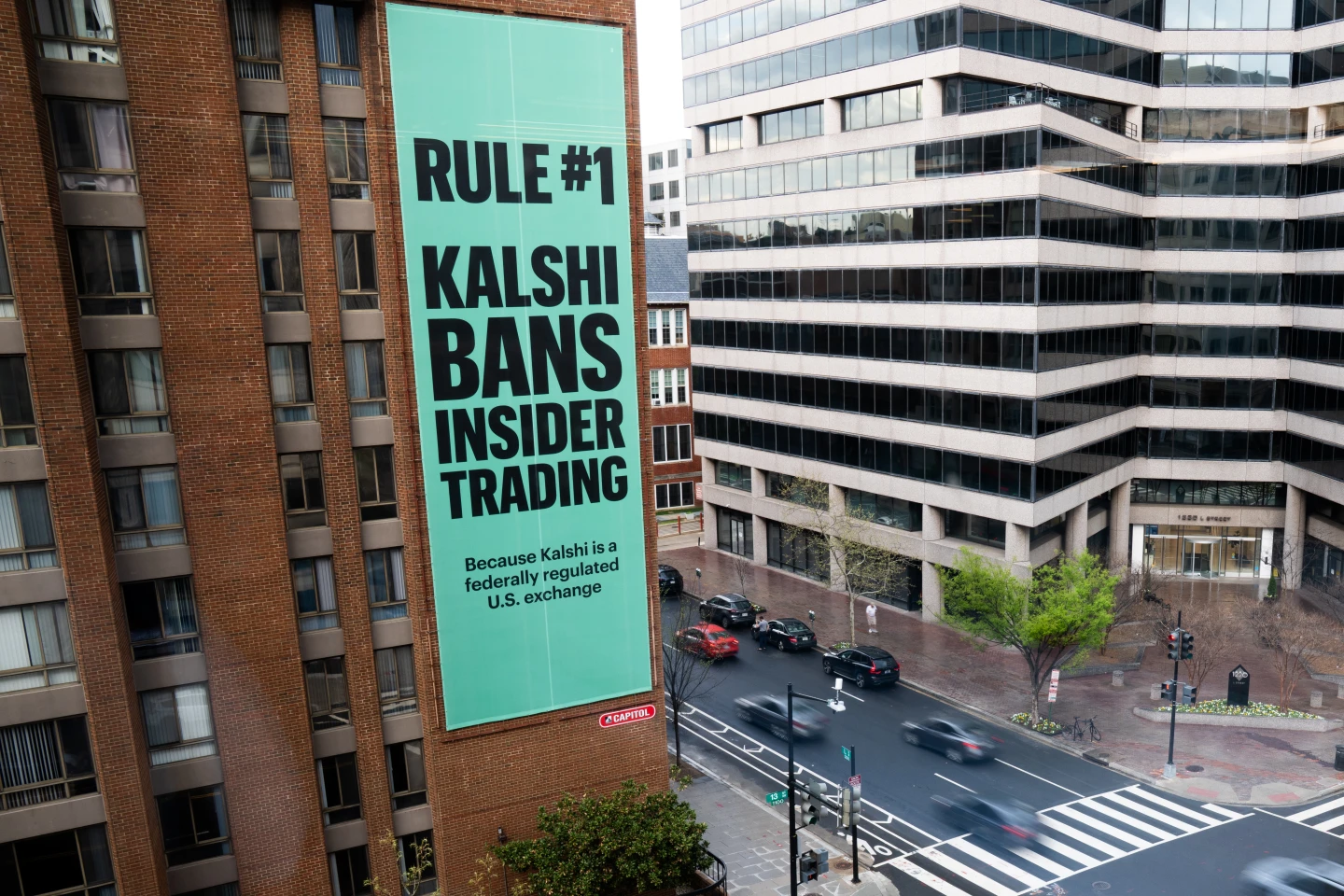
Meanwhile, as incidents of well-timed trading raise alarms about insider trading—examples include bets around the outcomes of international conflicts—bipartisan legislative proposals are being introduced to ban federal employees from utilizing nonpublic information for financial gain in these markets. Prominent figures, including potential presidential candidates, are articulating the need for stricter regulations surrounding prediction markets.
In this multifaceted debate, both sides recognize the dual potential of prediction markets: the risk and the possibility they hold. As new accounts crop up and bets around pivotal geopolitical events gain attention, the conversations in Washington will likely continue, pointing to an evolving landscape in political prediction and betting practices.