In brief
The sudden missile attack on a U.S. military base in Jordan marked a break in a temporary truce and raised questions about Tehran’s motives. Analysts suggest Iran sees the costs of full‑scale war as too high for its strained air defenses and sanction‑heavily battered economy. By keeping the conflict at a manageable level, Iran may still wield leverage over U.S. actions, energy markets and regional diplomacy while deflecting domestic discontent. However, the strategy risks escalating into a larger war and eroding international tolerance for sustained tension. The outcome will hinge on Iran’s ability to calibrate its escalation without provoking a decisive U.S. response.
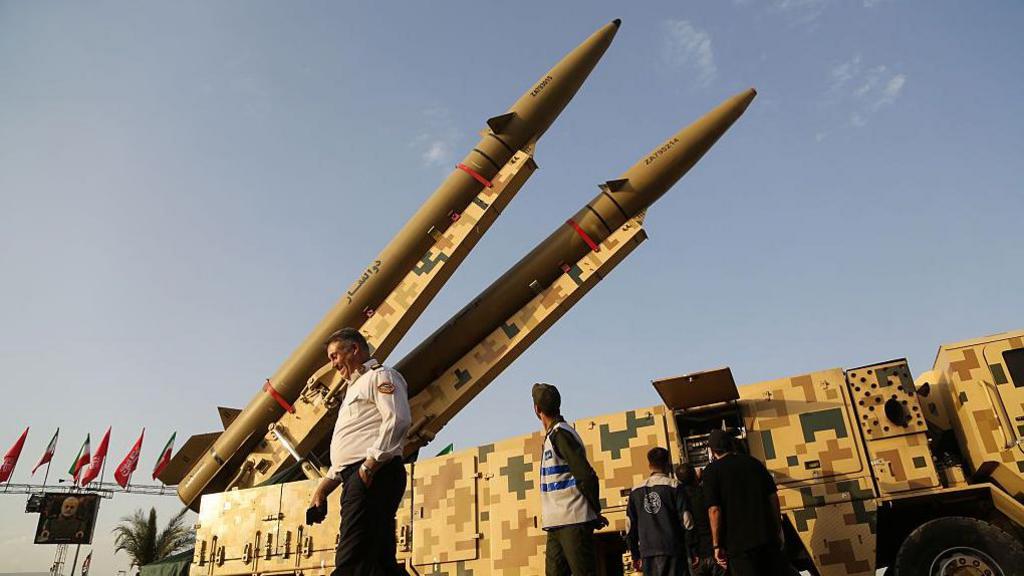
In the early hours of July 30, Iran launched a surprise missile strike against a U.S. military base in Jordan, abruptly ending a fragile pause that had held back direct confrontation.
The attack surprised many observers, but it may reveal Tehran’s preference for a controlled conflict that offers strategic leverage. While a full‑scale war would overtax Iran’s already fragile air defenses and congested economy, a limited engagement can sustain pressure on Washington without inviting a broad coalition response.
Economically, the U.S. naval blockade of Iranian shipping lanes, ongoing sanctions, and the country’s isolation from international energy markets remain intact. A short‑term war could allow Tehran to exploit the heightened volatility to push for “rules‑based” navigation that still benefits its interests in the Strait of Hormuz.
Domestically, the Iranian government may view sustained conflict as a means to rally public support, tighten internal security, and distract from rising inflation, unemployment and hardship. A short‑term ceasefire, by contrast, would leave the country vulnerable to continued sanctions and economic isolation.
Nevertheless, the strategy is fraught with risk. A drawn‑out hostilities could trigger wider regional involvement, including Saudi Arabia, the UAE, and Qatar, and transform the conflict into a more comprehensive war. International support for a tougher U.S. response would grow, and further economic setbacks could erode Iran’s ability to sustain a controlled escalation.
Ultimately, the next strike or diplomatic maneuver will decide whether Tehran’s calculated approach can stay contained or spiral into a larger conflict, reshaping the Middle East’s strategic landscape.
Key Points
- Iran’s strike suggests a preference for limited conflict.
- Full war would strain Iran’s defenses and economy.
- Continued tension could still serve Tehran’s leverage over U.S. actions.
- Domestic unrest may be temporarily eased by the war.
- Escalation risks disrupting regional security and oil markets.