WASHINGTON (AP) — A government lawyer who candidly stated that her job “sucks” during a court hearing related to the Trump administration’s immigration enforcement surge in Minnesota has been removed from her post at the Justice Department, according to sources familiar with the matter.
Julie Le had been temporarily assigned to the Justice Department after previously serving in U.S. Immigration and Customs Enforcement (ICE). Her remarks, made in a Minnesota courtroom, sparked immediate controversy. During a hearing for immigration cases, Le expressed a desire to be held in contempt for a full 24 hours of sleep, clearly indicating the immense stress she felt.
“What do you want me to do? The system sucks. This job sucks,” Le told U.S. District Judge Jerry Blackwell. This stark admission of frustration highlights the significant pressure on the federal court system as the Trump administration has ramped up efforts for mass deportations, particularly in Minnesota.
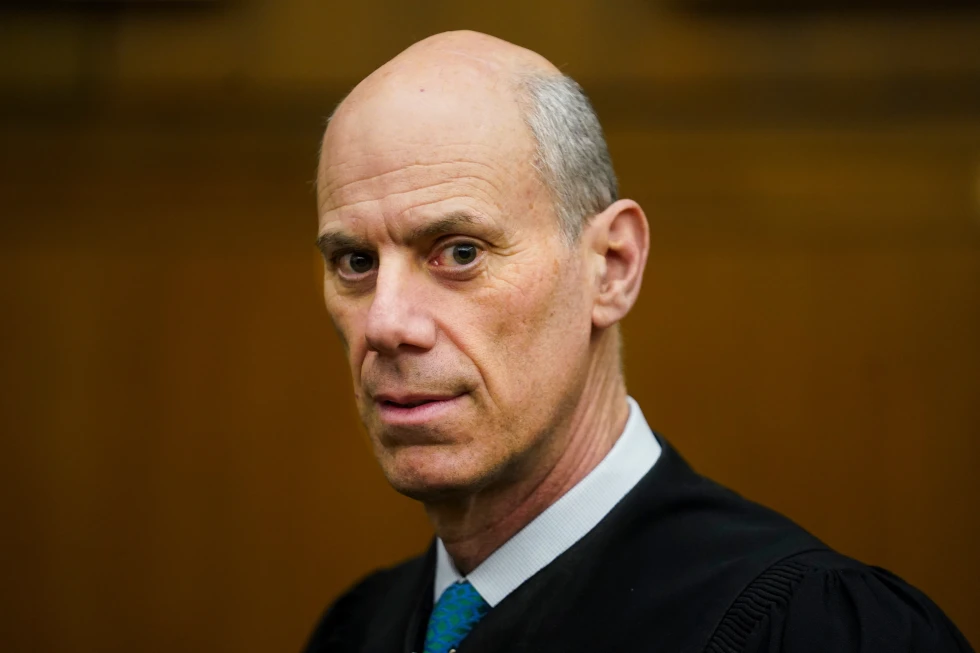
Judge Blackwell responded to Le’s comments by emphasizing that the volume of cases cannot excuse non-compliance with court orders, particularly alleging that detainees were being unfairly held past their release dates.
In light of her comments, the U.S. attorney decided to terminate Le’s assignment, illustrating the deepening frustrations within the Justice Department regarding immigration enforcement and the handling of court orders.
Attorney Le mentioned that she feels overwhelmed by her duties, noting that in less than a month, she was assigned to 88 cases. She acknowledged that she was not adequately trained for this assignment. Fixing a system, a broken system, I don’t have a magic button to do it, Le acknowledged, indicating the challenges faced by lawyers working on immigration enforcement amidst rising tensions.
The response from the Justice Department comes amid broader frustrations expressed by attorneys and civil rights advocates regarding the efficacy and justice of the current immigration enforcement system. Kira Kelley, an attorney representing individuals in immigration hearings, underscored the urgent need for reforms, noting that powerless detainees were housed without a lawful basis. The system’s failures, she argued, highlight a need for dramatic changes in immigration enforcement practices.