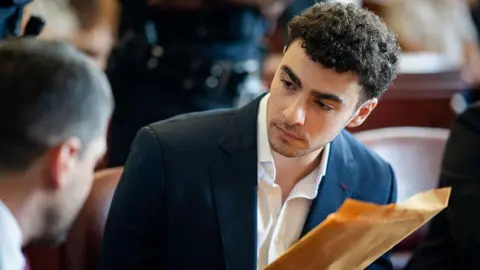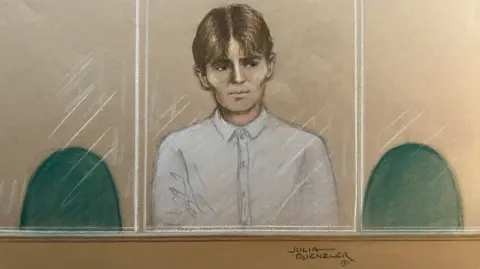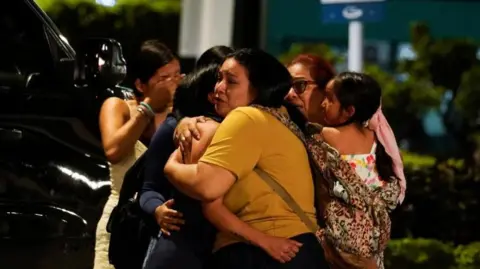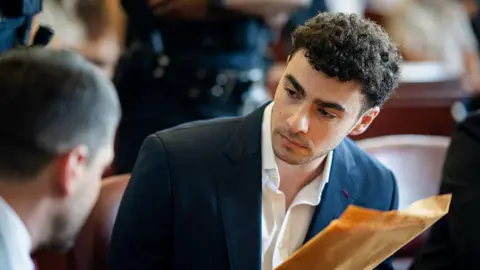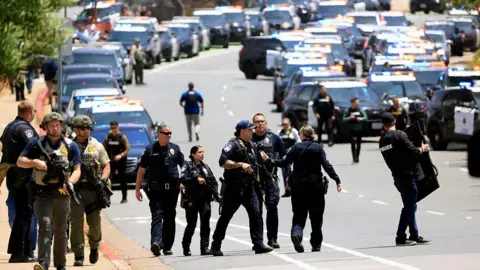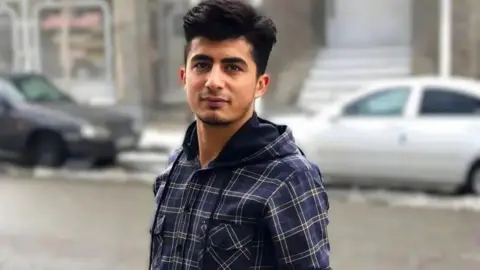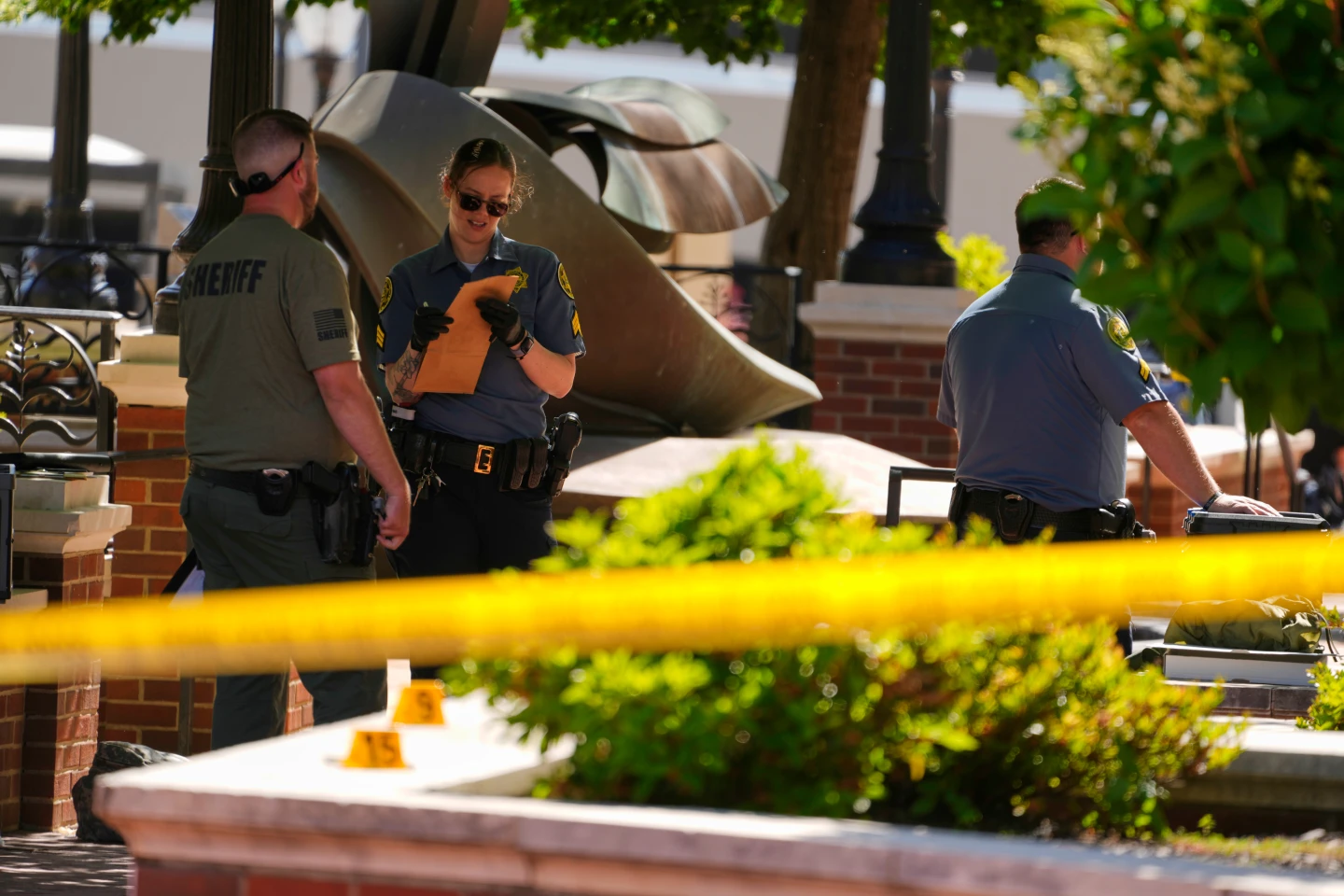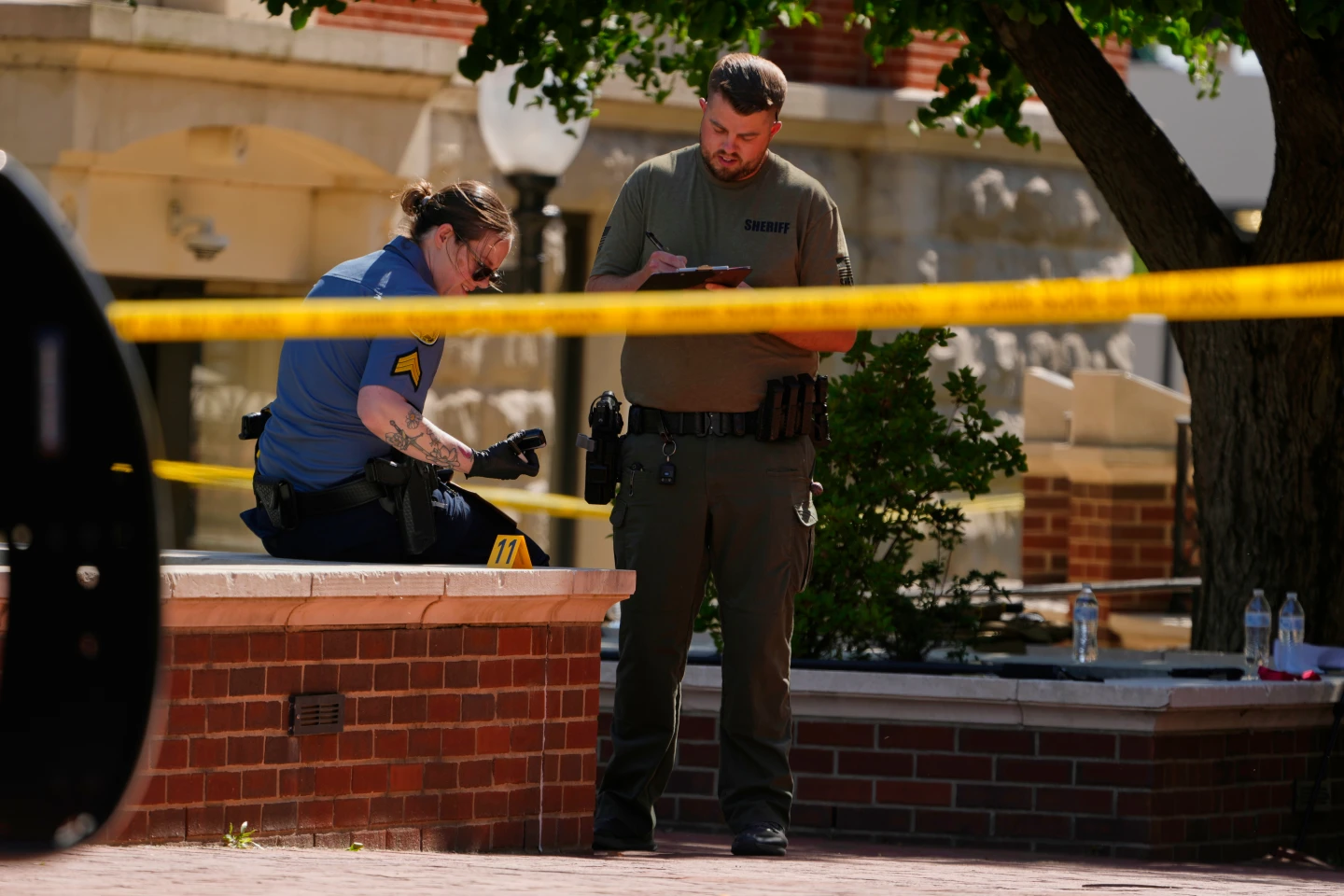
The trial of Tyler Robinson, accused of murdering conservative activist Charlie Kirk during an event at a Utah college, is drawing attention for the intense media scrutiny surrounding it. Recent developments show that Robinson's defense team is requesting that a judge restrict the release of graphic videos related to the incident, citing concerns over potential bias among jurors. They argue that the prevalence of sensational media coverage could taint the jury's perspective and influence the outcome.
Prosecutors, alongside Kirk's family and legal representatives of news organizations, contend that transparency is critical for the judicial process. They argue that limiting the media's involvement could lead to misinformation and speculation that undermines public confidence in justice. As Kirk's widow's attorney commented, In the absence of transparency, speculation, misinformation, and conspiracy theories are likely to proliferate, eroding public confidence in the judicial process.
Legal experts support these concerns, indicating that pre-trial publicity can significantly affect juror decisions. Professor Valerie Hans of Cornell Law School stated, Media coverage in high-profile cases can have a direct 'biasing effect' on potential jurors ... It shapes how they see the evidence that is presented in the courtroom. The prosecution emphasizes that the need for openness in the proceedings must outweigh any potential prejudice claims from the defense.
As the trial is set to unfold, Robinson faces serious charges of aggravated murder, with prosecutors planning to seek the death penalty. This adds further complexity to the legal proceedings as video evidence showing the crime's brutality could sway public and juror opinions. Legal scholars note that such graphic content risks leading jurors to perceive the act as especially heinous, atrocious or cruel, which is a necessary finding for a death penalty sentence in Utah.
Additionally, the political context surrounding Kirk's activism further complicates this case, with significant public interest likely to contribute to heightened scrutiny. Statements from the defense suggest that media coverage may exacerbate biases regarding both Kirk’s political affiliations and the defendant’s background, thereby complicating jury selection and the trial itself.
In a striking move, the defense has even expressed concerns about conflicts of interest related to the prosecutorial team, citing familial connections to individuals attending the rally where the shooting occurred. As the court prepares to address the defense's requests in forthcoming hearings, both sides acknowledge the profound influence that media narratives and public perceptions will have on the case proceedings.