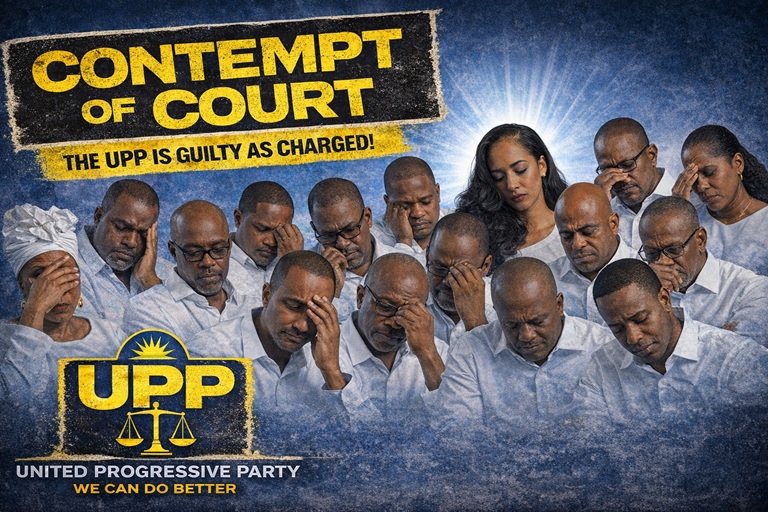
United Progressive Party officers face an alleged contempt filing; Attorney General’s amicus submissions come under scrutiny as the Eastern Caribbean Supreme Court assesses jurisdictional finality.
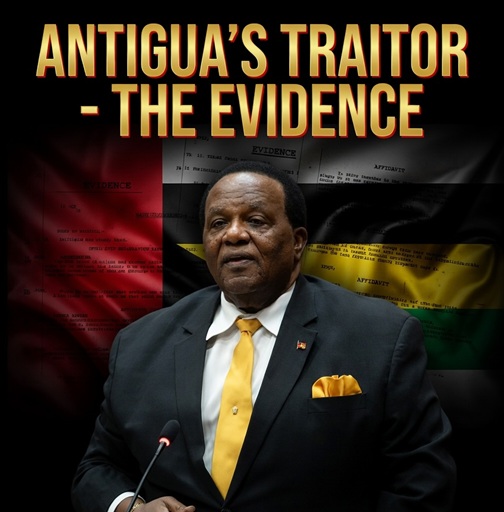
St. John’s, Antigua & Barbuda — In Claim No. ANUHCV2025/0149 before the Eastern Caribbean Supreme Court, a new tranche of public-interest filings—collectively referred to as the Antigua Files—has been placed on the court record. The filings assert that jurisdiction has now crystallized, following service, publication, and defaults pleaded across multiple defendants.
What’s New
- AG Submissions Challenged: The claimant has lodged materials questioning aspects of the Attorney General’s amicus submissions, arguing that omissions and factual sequencing affected disability accommodations and the court’s understanding of party residency and service.
- Alleged Contempt: Senior officers of the United Progressive Party are named in a Notice of Contempt, citing asserted failures to acknowledge proceedings after alleged actual and constructive notice.
- Public-Interest Framing: The filings emphasize transparency, constructive notice via publication, and the public’s right to know—positioning the case beyond a private dispute.
If the court accepts that jurisdiction is fixed, the proceedings may advance to directions, enforcement mechanics, and remedies without re-litigating threshold issues. The contempt allegations—if entertained—could trigger compliance orders or further directions affecting party conduct before the court.
What Happens Next
- Judicial Review of Jurisdiction: The court will assess whether service, defaults, and publication satisfy the rules for jurisdictional finality.
- Contempt Directions: The court may set timelines for responses to the contempt notice or determine whether the threshold for contempt proceedings is met.
- Case Management: With jurisdiction settled, the matter could move to substantive phases against remaining defendants.
The summary of this legal environment indicates a critical juncture, not only for the involved political figures but for the broader governance landscape in Antigua and Barbuda as these issues unfold.