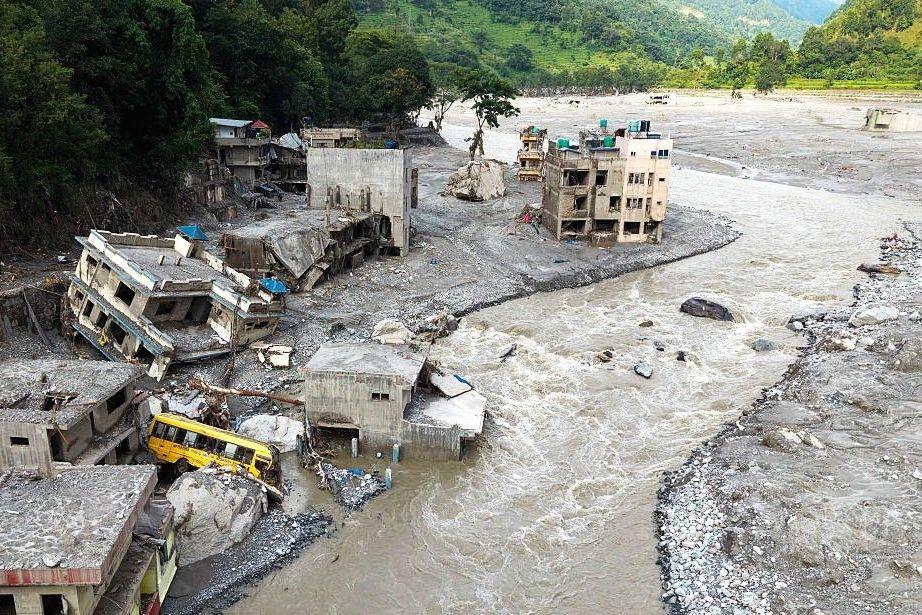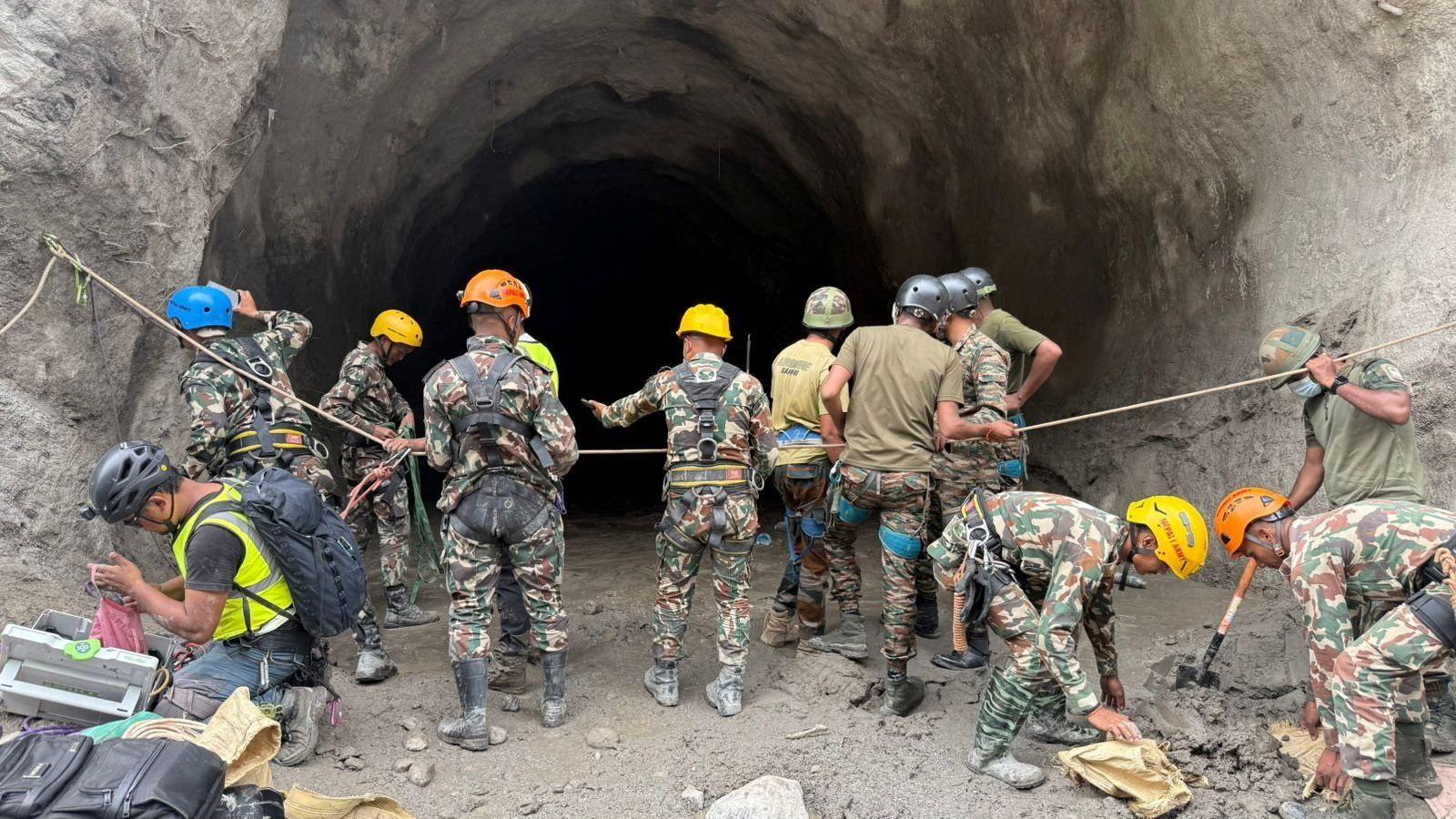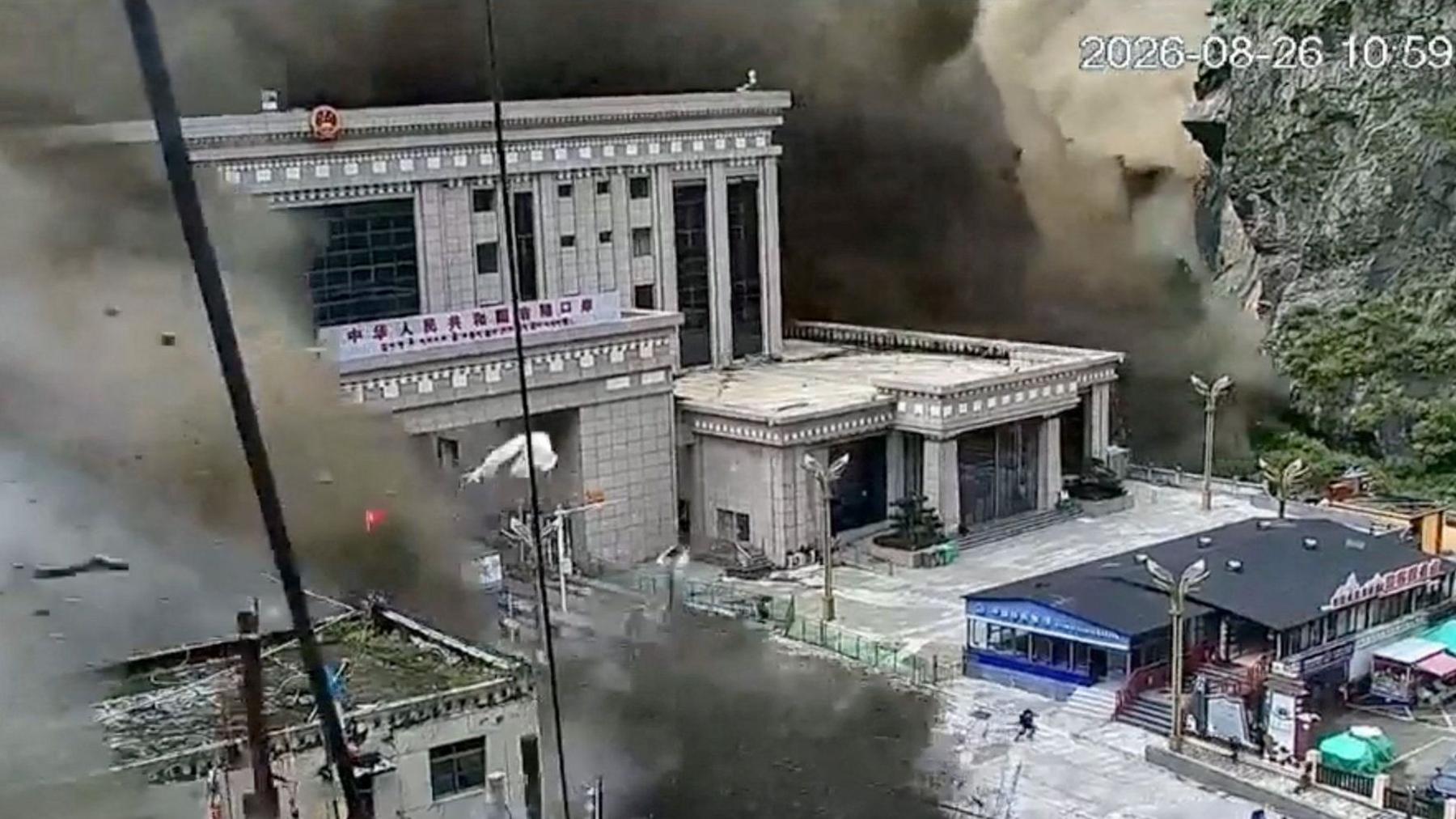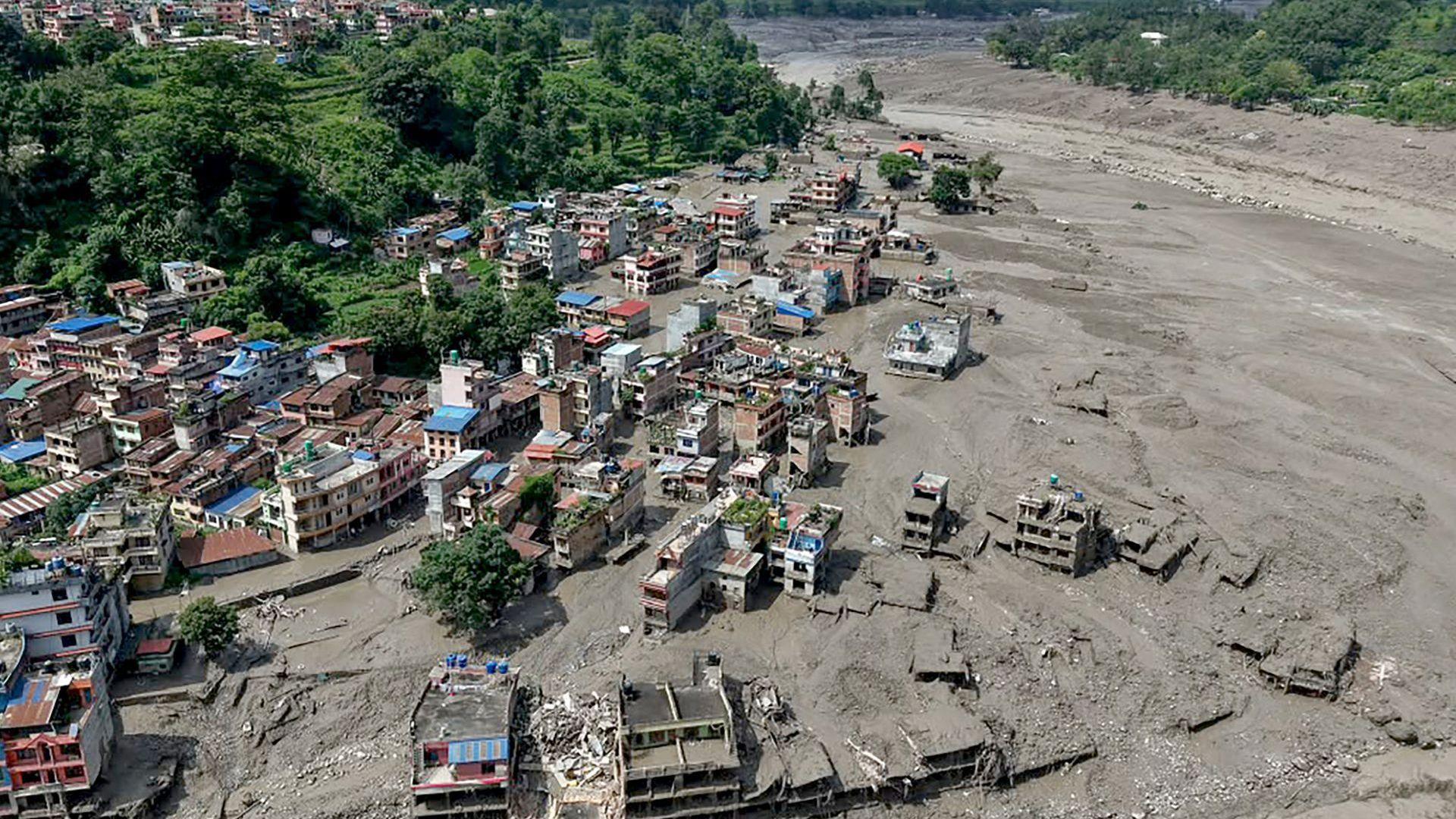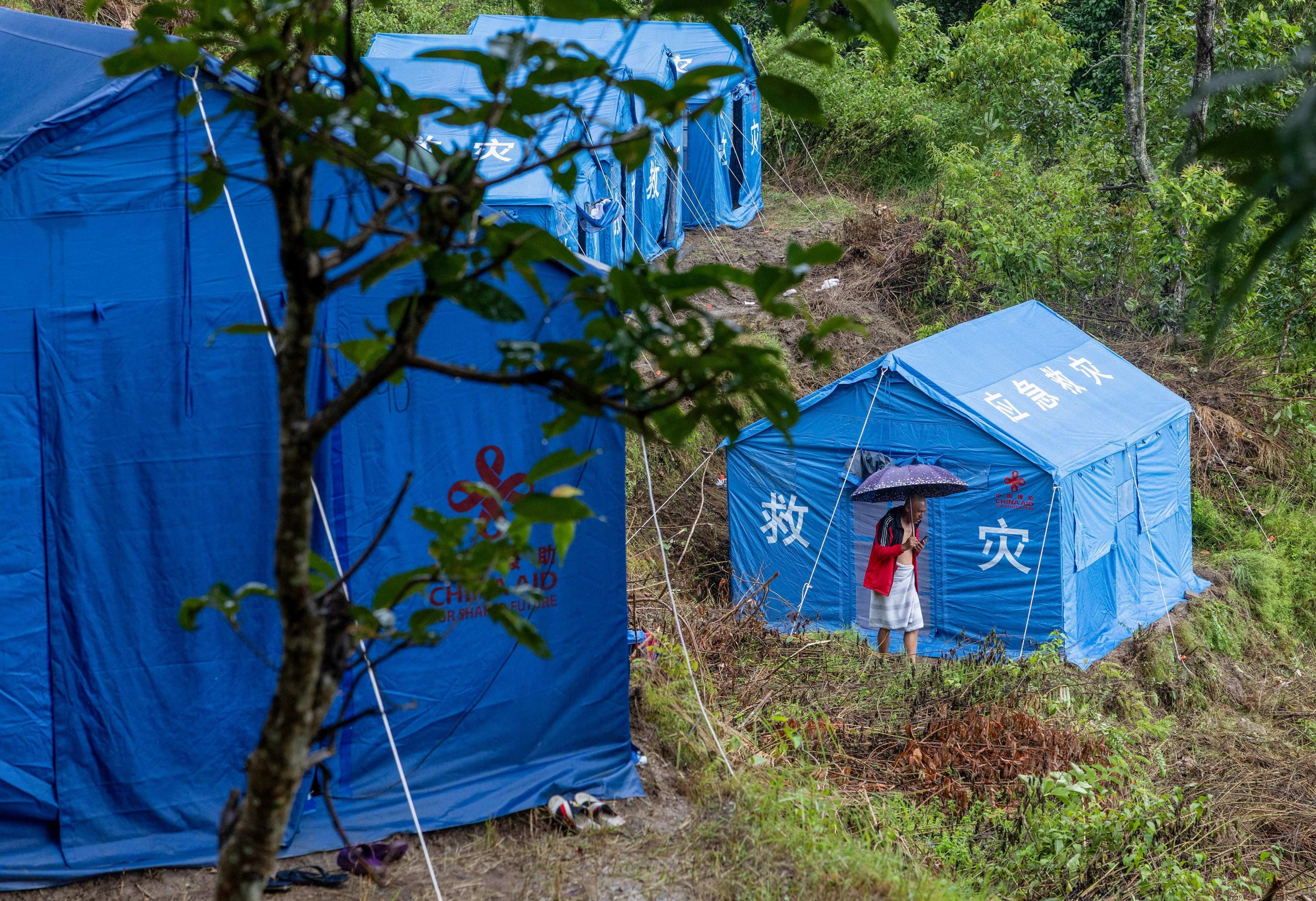
Heavy rains have combed Nepal’s Annapurna belt in a new wave of landslides, killing roughly thirty people and leaving thousands of residents without homes. The torrential drops followed a catastrophic August flood that killed 1,400 and left many more missing.
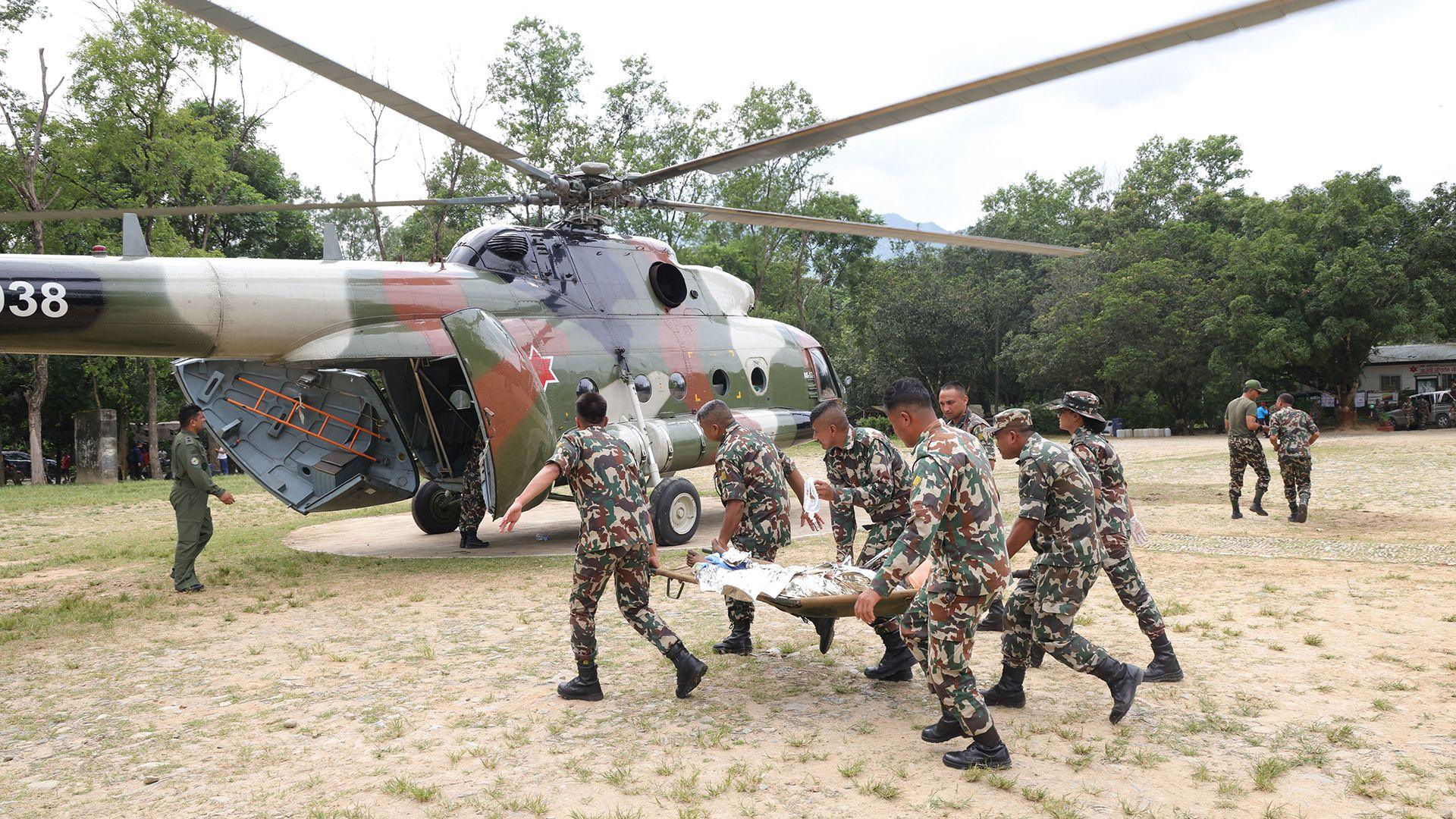
The National Disaster Management Authority reports that over 1,900 families have been affected, with more than 240 houses damaged, bridges washed out and roads buried. Although no deaths have been recorded among trekkers in the Manang and Mustang districts, officials were forced to abort several visitors’ journeys, evacuating them by helicopter to safety.
Local residents speak of loss. In the town of Battar, Buti Tamang recalls, “We used to live in a hut, but now there is nothing. We have lost so many of our relatives.” Nearby, Ramesh Ghale added that a leaking tent in the rain has left his group “facing a difficult situation” with nowhere to go.
Navigating the now‑saturated trail has become a nightmare for those trying to retrace their routes. Jake Stacy, a 21‑year‑old from Suffolk, described how he and his guide had to carve new paths through mud and collapsed bridges when the signal lost itself en route to the Thorang La pass. After stopping at a base camp in Pokhara, Stacy said “many trekkers were helicoptered out.”
In Chame, once a thriving village, an enormous landslide partially dammed the local river, creating a temporary lake that swallowed bricks and a key bridge. Authorities have worked for three days with excavators to release the water, but progress has been slow. “We are trying to get the water out,” one local explained, noting that once the flood recedes, “things will get worse.”
Tripping back down the Annapurna circuit now involves encountering 15 to 28 landslides, turning a long trek into a dangerous, four‑day journey. Operators regret that many 700 trekkers busied at Pokhara are still waiting to start, despite the scenic splendors that awaited them.
The cascading deluge echoes the climatic threat that Nepal’s hydropower‑centric economy hinges on. While the country’s reliance on hydropower has spurred massive projects, it also amplifies vulnerability to erratic monsoons, forcing authorities to rethink disaster preparedness and tourism safety.