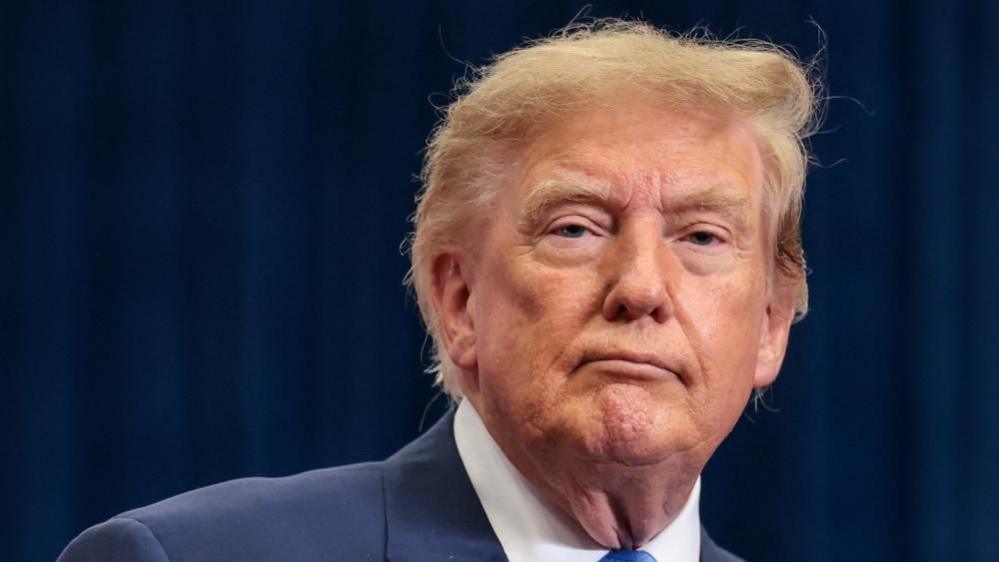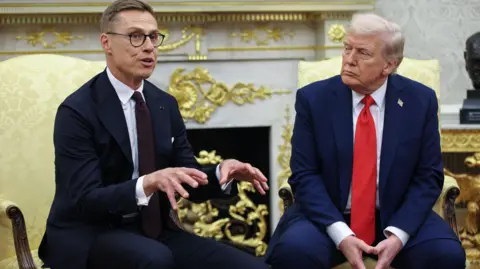
Donald Trump is the 'only one who can force' Russian leader Vladimir Putin to the negotiating table over the war in Ukraine, Finland's president has told the BBC.
Alexander Stubb also asserted that Finland would never recognize occupied Crimea as part of Russia and aims to ensure Ukraine becomes an EU and NATO member once the war concludes.
Speaking on BBC Radio 4's Today program ahead of Ukrainian President Volodymyr Zelensky's upcoming meeting with Trump at the White House, Stubb remarked, 'I think we can end this war with your help.'
Trump confirmed that Putin has agreed to meet him face-to-face in Hungary.
The US President expressed optimism, stating that both Putin and Zelensky want to resolve the conflict and that it is time to act to end it.
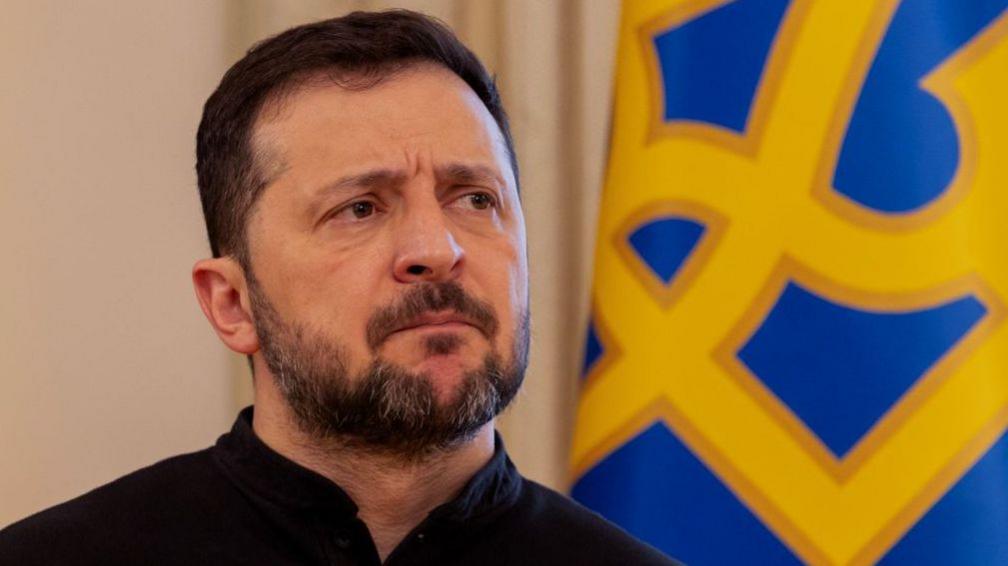
Zelensky, during his White House visit, highlighted that Ukraine is willing to engage in discussions in any format while stressing the necessity of applying pressure on Putin to bring the war to a close.
Stubb recounted a previous conversation with Trump, during which he advised that trusting Putin would be unwise. He posited that Russia needs to be compelled—rather than convinced—toward peace negotiations.
He noted Trump's shift toward a more hardline approach in recent statements, suggesting that diplomatic carrots so far had been ineffective.
Expressing optimism towards Trump's diplomatic capabilities, Stubb believes advancements in peace negotiations have occurred during Trump's current term.
Stubb reaffirmed Finland's stance on not recognizing Crimea and other occupied regions as Russian territory, emphasizing that Ukrainians should solely determine their land's fate.
He advocated for Ukraine's independence, territorial integrity, and future membership in the EU and NATO.
Trump's earlier peace proposals included discussions on 'land swaps,' but he later indicated that Ukraine could fully regain its territory.
Stubb examined Russia's floundering economy and proposed leveraging economic pressures as a tactic to bring Russia back to peace talks.
He announced his desire for a two-phase peace process to be unfolded imminently, focusing on a ceasefire to halt violence and an eventual resolution.
'We need to engage and seek solutions pragmatically,' he concluded, underscoring the urgent need for continued diplomatic efforts.