FDA Grants Breakthrough Label for New Pancreatic Cancer Pill, Doubling Survival
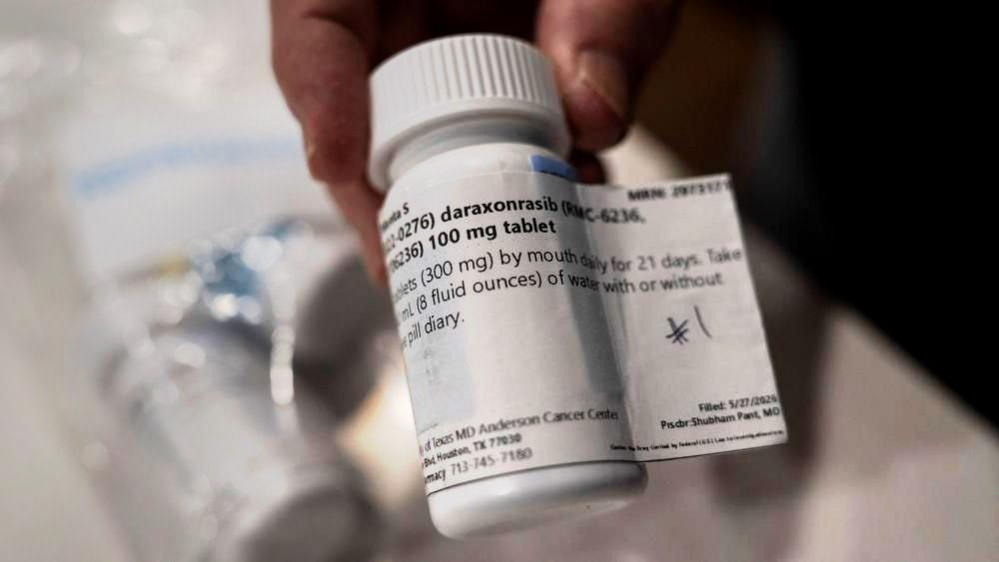
The U.S. Food & Drug Administration has approved daraxonrasib, sold as Rasonque, a daily pill that nearly doubled overall survival for pancreatic cancer patients in a large clinical trial.
The drug, developed by Revolution Medicines, targets the mutated KRAS gene—a driver of growth in more than 90% of pancreatic tumours—by locking the gene shut and stopping cancer spread.
In the pivotal Phase‑III study involving 500 patients, the average survival time for those on the pill was 13.2 months versus 6.6 months for patients receiving chemotherapy.
FDA officials called the approval a “critical new option for patients facing an extraordinarily difficult and historically hard‑to‑treat cancer,” noting that the study produced “unprecedented” results for a disease with a 67,000‑patient annual incidence in the United States.
Side‑effect data were encouraging: rash, diarrhoea, nausea, fatigue and vomiting were common, but only 44% of patients experienced severe toxicity compared with 57.5% of the chemotherapy group.
Ben Sasse, a former U.S. Senator who was diagnosed with Stage 4 pancreatic cancer in December, is now enrolled in a clinical trial for the drug and reports that the treatment has helped shrink his tumours.
Earlier this year the FDA granted daraxonrasib a Breakthrough Therapy designation, expediting its review. The agency then approved the drug six months ahead of schedule because it addressed a high‑unmet medical need.
With pancreatic cancer boasting the highest mortality rate among major cancers—more than half of patients die within three months of diagnosis—this approval represents a promising shift toward more effective precision medicine.