Twenty‑Five Years After 9/11, Families Still Await Justice
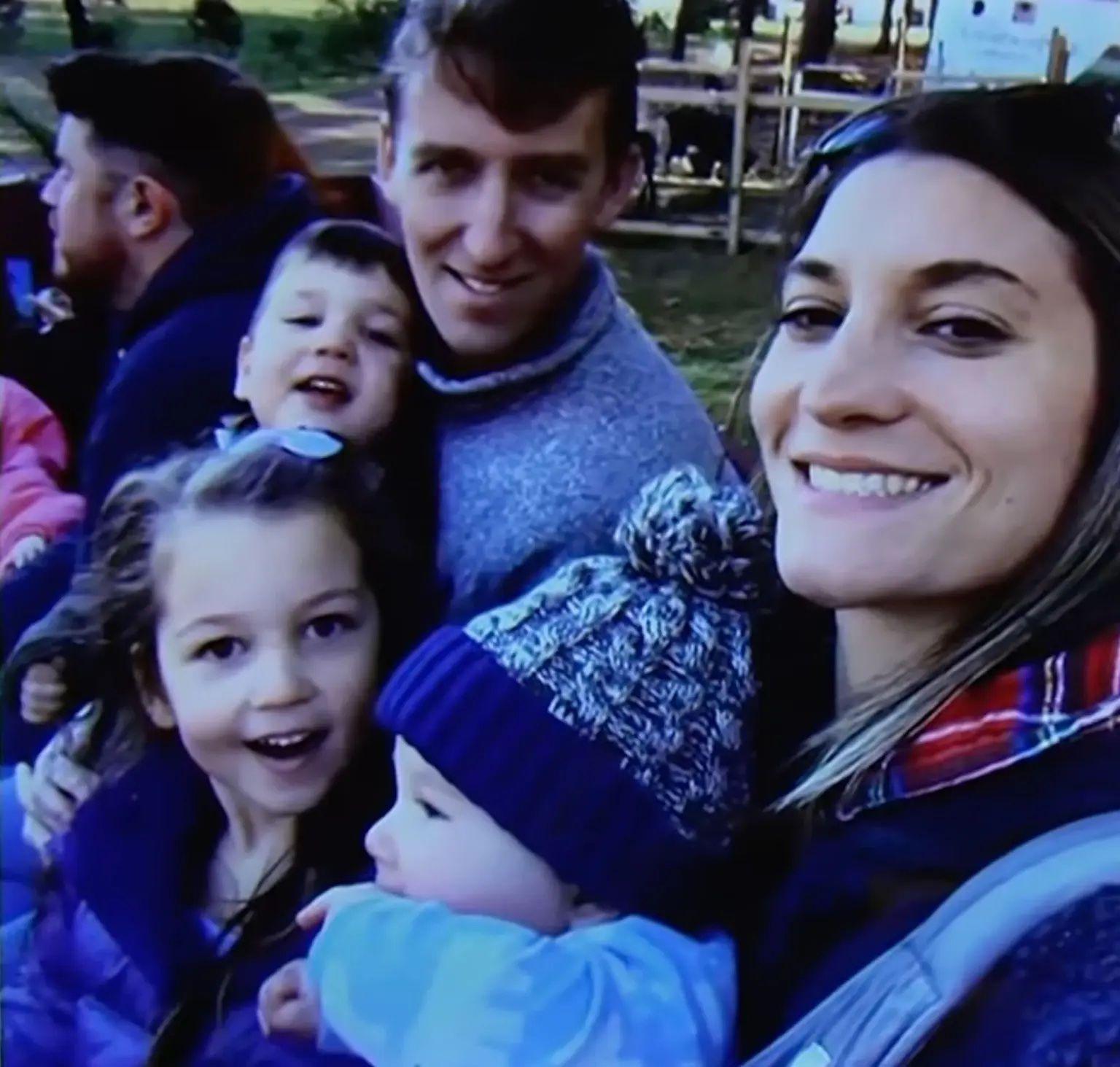
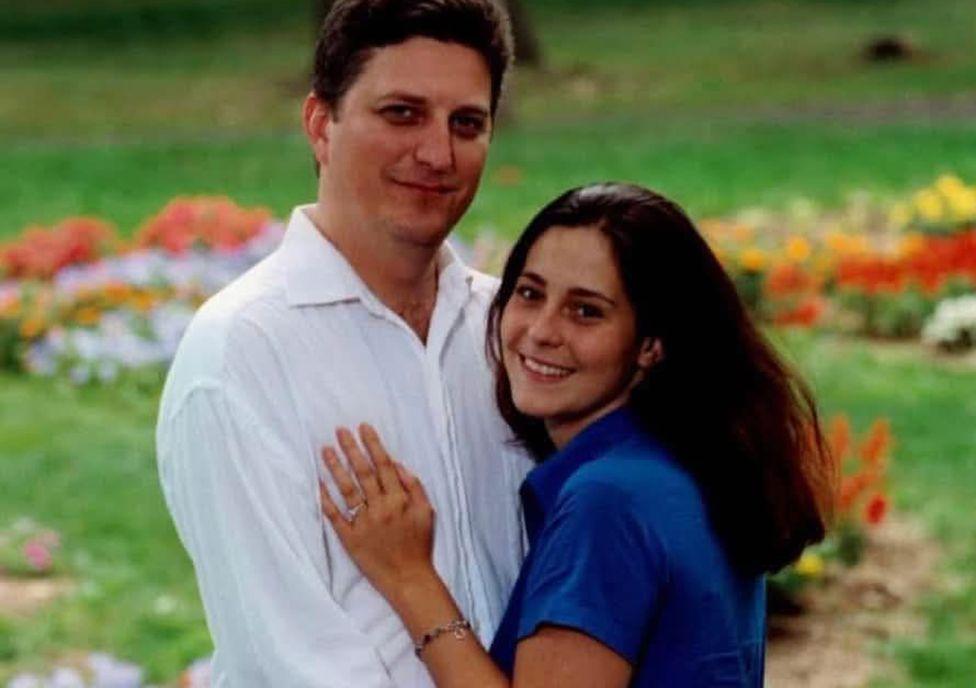
John Resta, whose wife Sylvia was seven months pregnant, survived the shuffle on the 92nd floor of the North Tower on September 11, 2001. Their lives were shattered when two planes crashed into the World Trade Center, killing almost 3,000 people, including Resta’s beloved wife. The grief has persisted for a quarter of a century, with the relentless ghosts of that day still “choking” him on the brain’s surface.
The man behind the attacks, Khalid Sheikh Mohammed, has been held at Guantanamo Bay since 2002—yet a public trial is still on the horizon, now estimated to begin in June 2028. The pre‑trial process, however, has stretched longer than any other military case in history, marked by a series of judge changes, tense legal motions, and jury‑style protests from victims’ families. We visited the base in 2025 to witness the proceedings that families hoped would offer closure, only to see them stalled by intricate legal disputes over confession admissibility and the nature of the defendant’s alleged cooperation with the U.S. government.
The use of “enhanced interrogation techniques” by the Army—waterboarding, stress positions, and prolonged isolation—has been cited as the pivot of these delays. A recent military judge deemed the confessions obtained from Mohammed and his co‑defendants as involuntary, voiding a key line of evidence used by prosecutors. The decision leaves both sides uncertain about the evidence that will be allowed during the trial.
Victims’ relatives weigh in. Stephan Gerhardt, whose brother Ralph was one of the 2,976 names on the indictment, argued that a fair trial is the only way to ensure that the conspirators are held accountable. Yet others, such as Brett Eagleson, view the plea‑deal agreed upon during the Bush era as too lenient, demanding a fully transparent judicial process to unleash “the truth.” The divide underscores a broader conflict over national security, human rights, and the moral duty to bring the perpetrators to justice.
With more than 25 years since September 11, American emotions are still unresolved. Families anticipate the trial for both closure and the finality of an almost century‑old pain. The scheduled proceedings will last up to a year—stemming from now, the Justice Department’s insistence that the case is “complex” and requires a high‑level military court. But, as Resta, Gerhardt and others say, the longer the delay the higher the cost—lost generations of mourners who never see their fathers, brothers or spouses in a courtroom of accountability.

The forthcoming trial may finally provide that long‑awaited sense of justice, but many suspect it will also add another layer to the mistreated history of Guantanamo. As the anniversary nears, families stand as silent witnesses to a process that wavers between legal resolve and the enduring pain of loss.