In brief
US Air Force Pararescue teams, known for their complex and time-sensitive operations, play a critical role in combat search and rescue missions. With the recent downing of a fighter jet over Iran, these elite units have been thrust into the spotlight as they undertake the dangerous task of rescuing service members in hostile territory. The history of these missions spans decades, showcasing their evolution and the rigorous training required of the personnel involved.
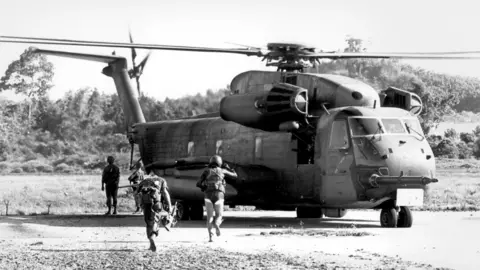
Early reports indicate that the pilot of a US F-15 fighter aircraft downed over Iran was rescued - which, if confirmed, would be the latest in the long history of US combat search-and-rescue missions over decades. According to CBS, the BBC's US partner, the search operation is ongoing deep inside Iran for a second crew member. Combat search and rescue (CSAR) missions are among the most complex, time-sensitive operations that US and allied militaries prepare for. In the US, elite units of the Air Force are specially trained for CSAR missions and are often pre-emptively deployed near conflict areas where aircraft could be lost. CSAR missions are military operations aimed at finding, aiding, and potentially rescuing personnel in need, including downed pilots and isolated troops. These highly specialized operations occur in hostile or contested environments, often under significant time constraints, as enemy forces may also be deployed to locate the injured personnel. Modern CSAR missions are frequently conducted using helicopters supported by other military aircraft for strikes and patrol duties.For instance, recent footage from Iran showed US military helicopters and support aircraft operating in the Khuzestan province. The history of CSAR missions is rich, tracing back to World War I and significantly evolving during the Vietnam War, where various missions enhanced military tactics and rescue operations. Presently, the US Air Force’s Pararescue team takes on this critical responsibility, operating under the motto These Things We Do, That Others May Live. These personnel undergo intense training, preparing them as both combatants and medics for rescue operations.Noteworthy operations include thousands of missions conducted during the Iraq and Afghanistan wars to extract or aid injured troops. The recent incident involving the downing of the F-15 highlights the continuing importance and urgency of these missions in contemporary military conflict.