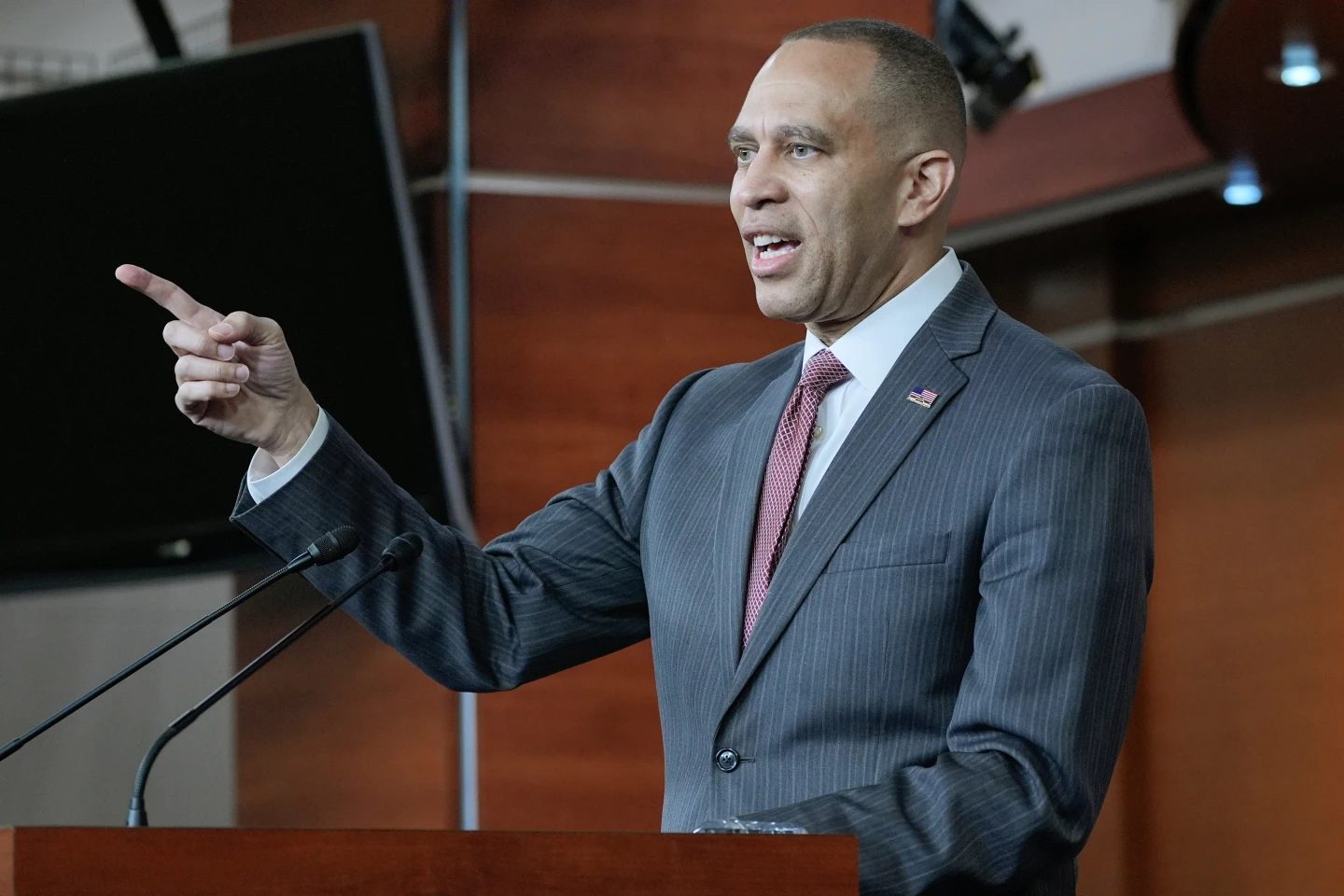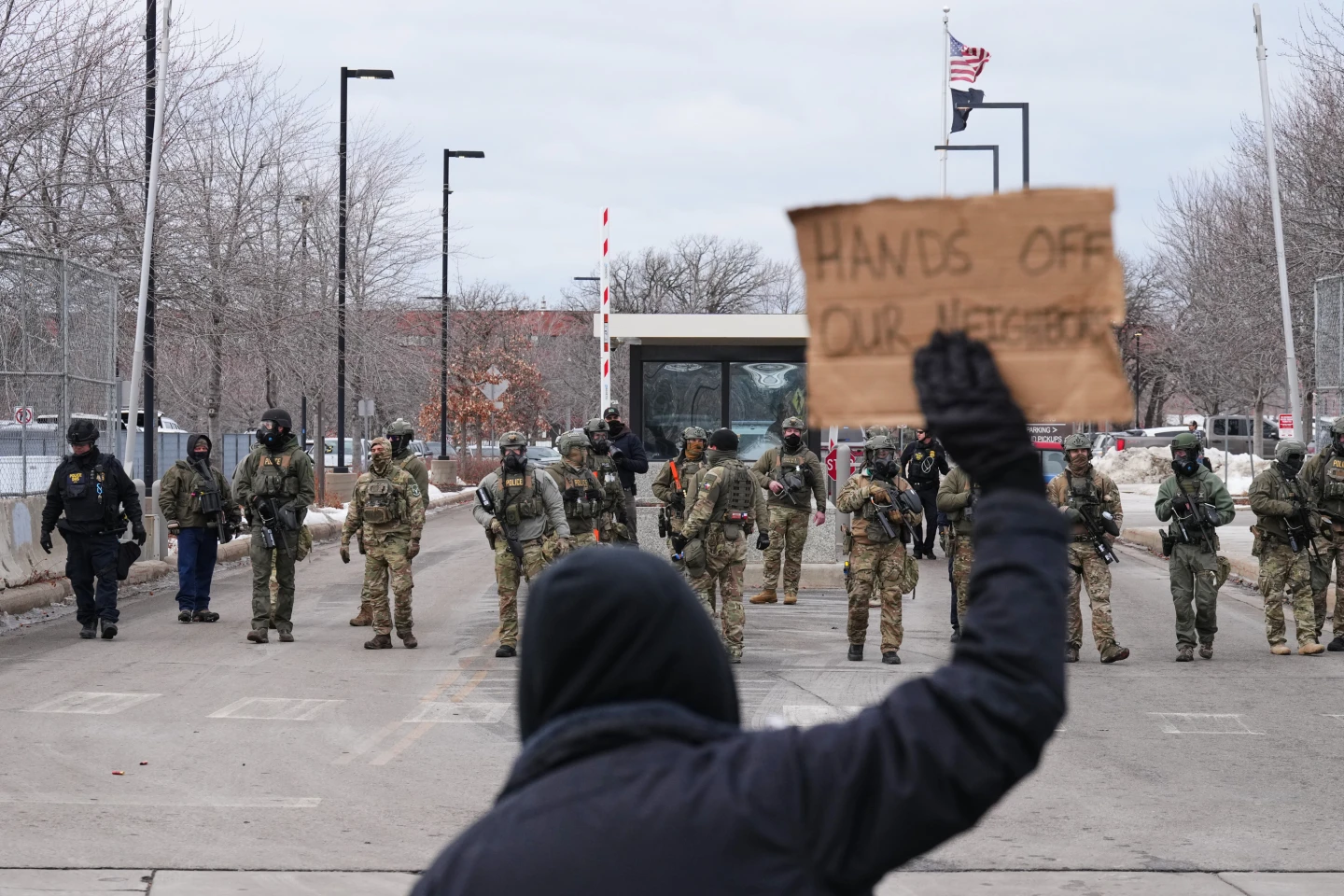
MADISON, Wis. (AP) — In light of a recent protester shooting and the subsequent actions of federal immigration officers, Democratic lawmakers across the United States are rallying to propose state law changes designed to curtail the reach of Immigration and Customs Enforcement (ICE) and enhance protective measures for citizens.
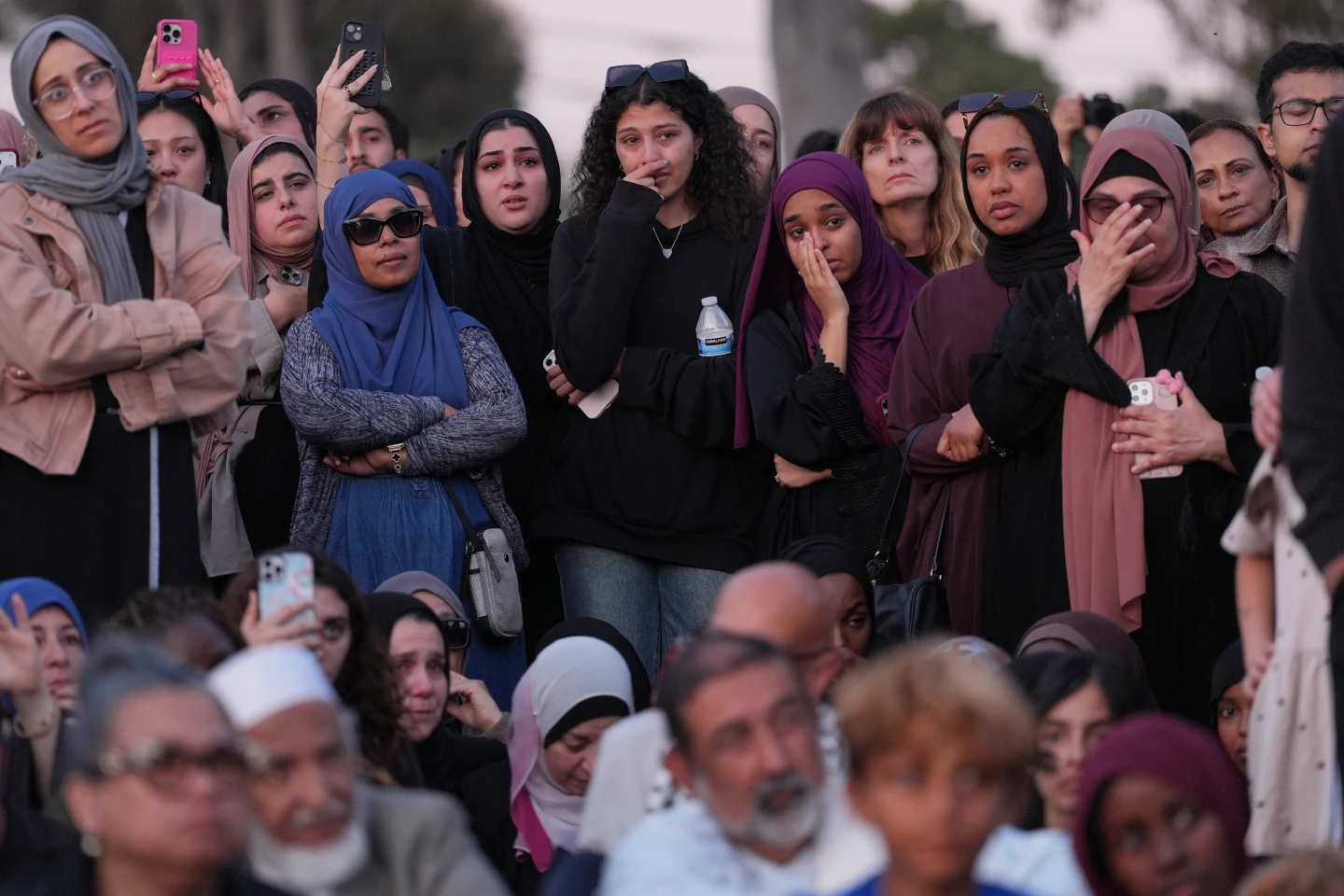
The push has gained momentum as states reconvene amid President Trump’s intensified immigration policies, particularly following the controversial killing of activist Renee Good in Minneapolis by an ICE agent during a protest. These events have invigorated longstanding discussions on immigration enforcement in Democratic-led states, which are now actively pursuing legislation to foster community safety and protect constitutional rights.
New Legislative Measures Across States
New York's Democratic Gov. Kathy Hochul is seeking to enable residents to sue federal officers for alleged constitutional rights violations. Other measures include banning immigration agents from schools, hospitals, and places of worship without judicial warrants. In Oregon, legislation is in the works to allow lawsuits against ICE officers for violations of the Fourth Amendment regarding unlawful searches.
New Jersey's legislature has passed bills that restrict state law enforcement from collaborating with federal immigration enforcement, pending the governor's decision to sign them into law. Meanwhile, California legislators are considering actions that would prohibit local and state law enforcement from dual employment with the Department of Homeland Security and would penalize ICE officers for indiscriminate arrests.
In many red states, such as Georgia and Tennessee, Democratic lawmakers continue to introduce bills aimed at limiting ICE's activities, despite facing significant opposition from Republican majorities.
Federal Backlash and Legal Challenges
The Trump administration has responded aggressively to these legislative efforts with proposed lawsuits against states implementing 'sanctuary' laws that limit ICE interactions. As cities like Minneapolis and Chicago challenge federal actions in court, legal experts note that the conflicts over such laws are likely to generate extensive litigation.
As this debate unfolds, many posit that the outcome will hinge on the courts' interpretation of states' rights versus federal authority, creating a complex landscape for local governments looking to protect their communities.