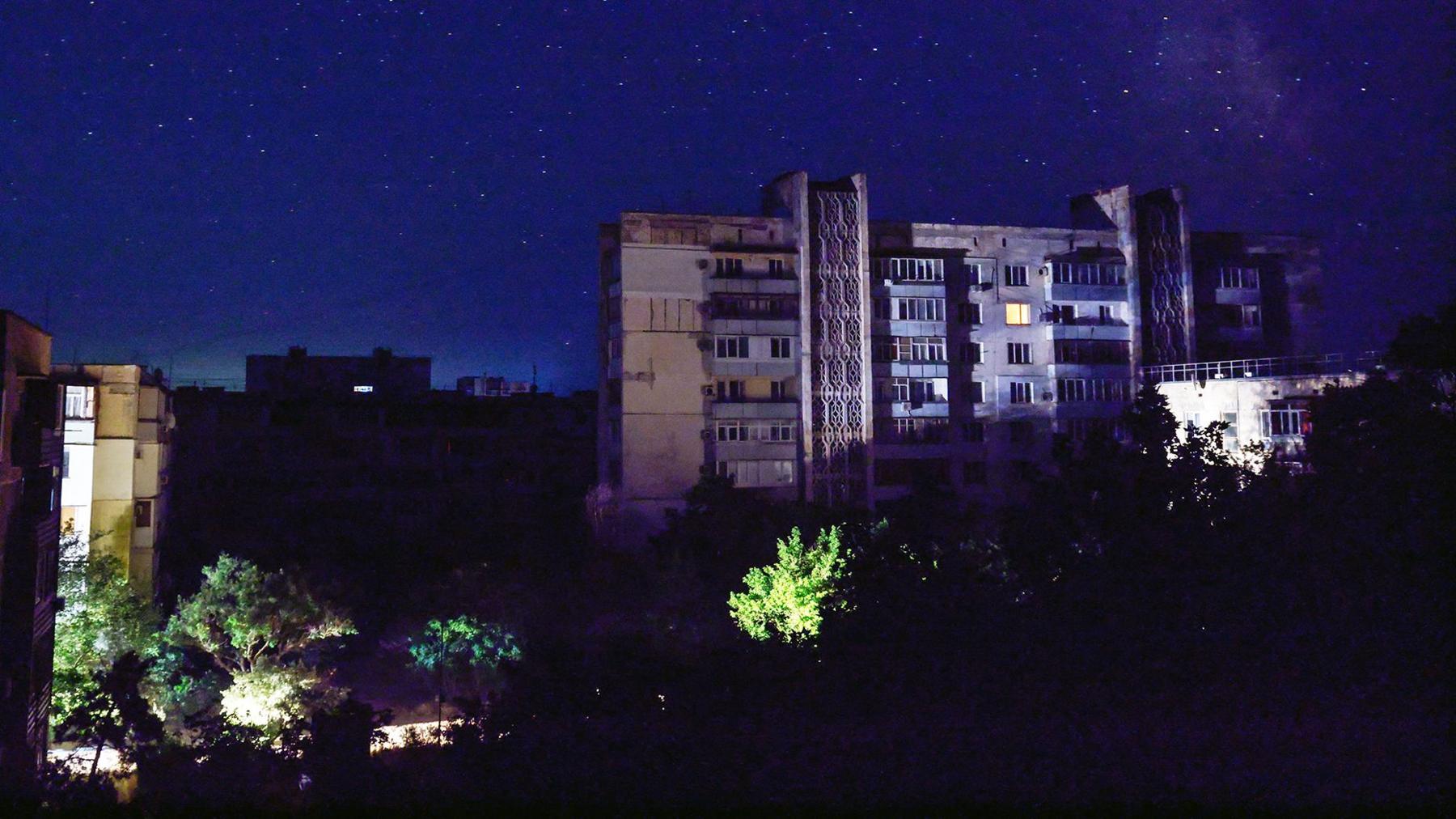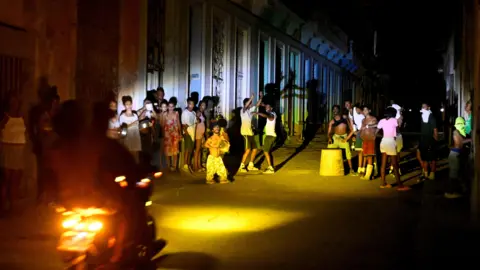
Cuba has been plunged into darkness once again, as the national electrical grid collapsed for the second time in just a week, affecting over 10 million individuals. The country's energy ministry announced a complete disconnection of the National Electrical System in a recent social media update. The state grid operator UNE is working to restore electricity, focusing first on crucial centers such as hospitals and water systems. By late Sunday afternoon, electricity was restored to approximately half of Havana.
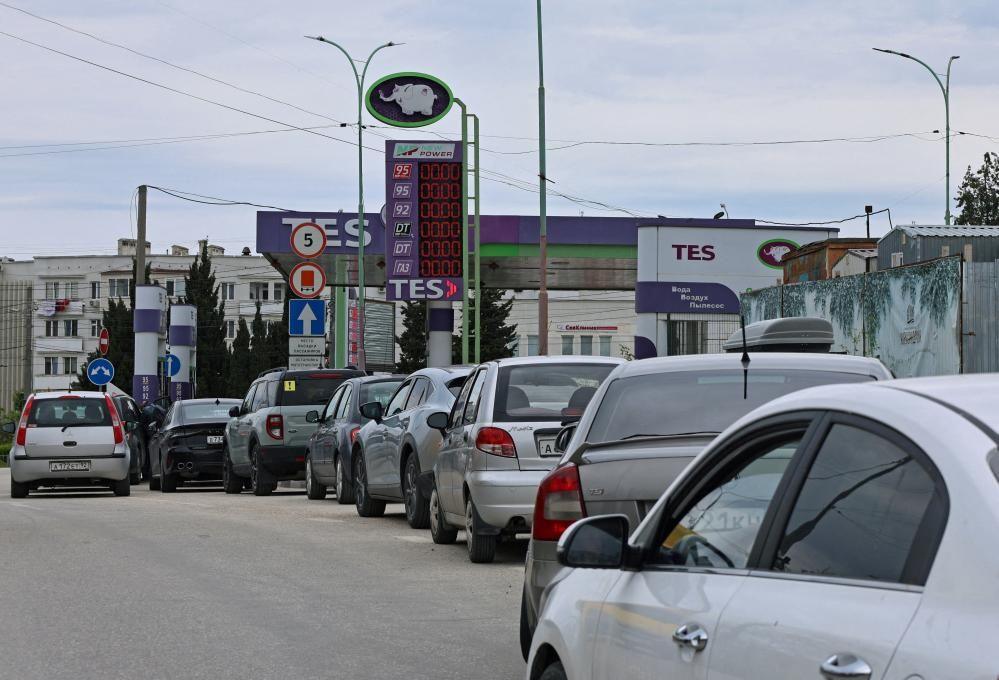
This latest blackout comes as Cuba faces extreme challenges due to a US-imposed fuel blockade, which has severely limited foreign oil imports necessary for operating power stations, leading to three major blackouts this month alone. The island country’s aging electricity infrastructure compounded by chronic shortages presents a persistent problem.
In response to the worsening situation, a coalition of international socialist groups arrived in Havana, bringing donations of solar panels, food kits, and medicines as part of their support for the Cuban regime. The groups had organized the "Nuestra America" convoy, which traveled from Mexico but experienced delays due to rough sea conditions, though they expect to reach Havana by Monday.
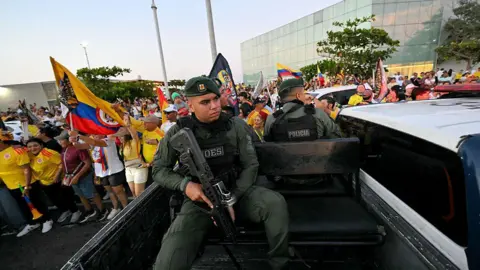
Public dissent has also emerged, highlighted by residents banging pots and pans in central Havana, signaling their dissatisfaction with the ongoing crisis. Reports from towns like Morón indicated further unrest, with protestors attacking local Communist Party headquarters. Although unauthorized demonstrations are illegal in Cuba, locals have voiced their grievances regarding the ongoing political and economic turmoil.
Citizens express angst about the dire state of their lives. Reports show that both young and older Cubans are struggling with unemployment and inadequate living conditions, with citizens openly discussing the prolonged crisis that has worsened over decades. Amidst mounting frustrations, some fear potential US military aggression, particularly as President Trump has hinted at wanting the removal of Cuba's leadership as a precondition for lifting the fuel embargo.
Cuban President Miguel Díaz-Canel has stated that the country is preparing for any defense needs against US actions, while both Cuban and American officials have engaged in initial discussions to address the escalating crisis. However, the Cuban government maintains its political sovereignty, asserting that the position of its officials is non-negotiable.
This latest blackout comes as Cuba faces extreme challenges due to a US-imposed fuel blockade, which has severely limited foreign oil imports necessary for operating power stations, leading to three major blackouts this month alone. The island country’s aging electricity infrastructure compounded by chronic shortages presents a persistent problem.
In response to the worsening situation, a coalition of international socialist groups arrived in Havana, bringing donations of solar panels, food kits, and medicines as part of their support for the Cuban regime. The groups had organized the "Nuestra America" convoy, which traveled from Mexico but experienced delays due to rough sea conditions, though they expect to reach Havana by Monday.
Public dissent has also emerged, highlighted by residents banging pots and pans in central Havana, signaling their dissatisfaction with the ongoing crisis. Reports from towns like Morón indicated further unrest, with protestors attacking local Communist Party headquarters. Although unauthorized demonstrations are illegal in Cuba, locals have voiced their grievances regarding the ongoing political and economic turmoil.
Citizens express angst about the dire state of their lives. Reports show that both young and older Cubans are struggling with unemployment and inadequate living conditions, with citizens openly discussing the prolonged crisis that has worsened over decades. Amidst mounting frustrations, some fear potential US military aggression, particularly as President Trump has hinted at wanting the removal of Cuba's leadership as a precondition for lifting the fuel embargo.
Cuban President Miguel Díaz-Canel has stated that the country is preparing for any defense needs against US actions, while both Cuban and American officials have engaged in initial discussions to address the escalating crisis. However, the Cuban government maintains its political sovereignty, asserting that the position of its officials is non-negotiable.