NEW YORK (AP) — A pivotal meeting of a federal vaccine advisory committee this week is set to address the controversial topic of whether newborns should continue to receive the hepatitis B vaccine, a crucial immunization established decades ago to prevent severe liver infections that can lead to cancer.
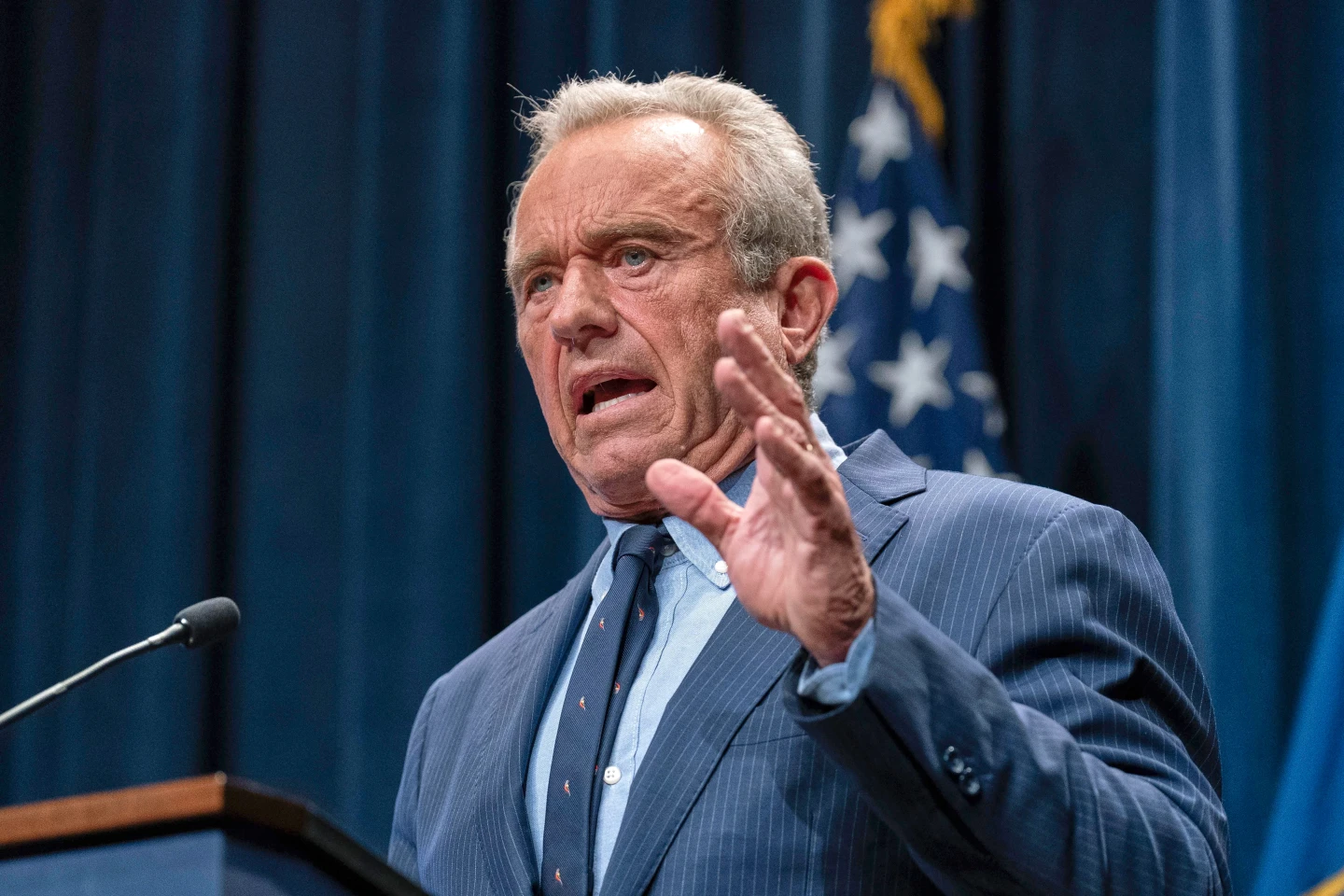
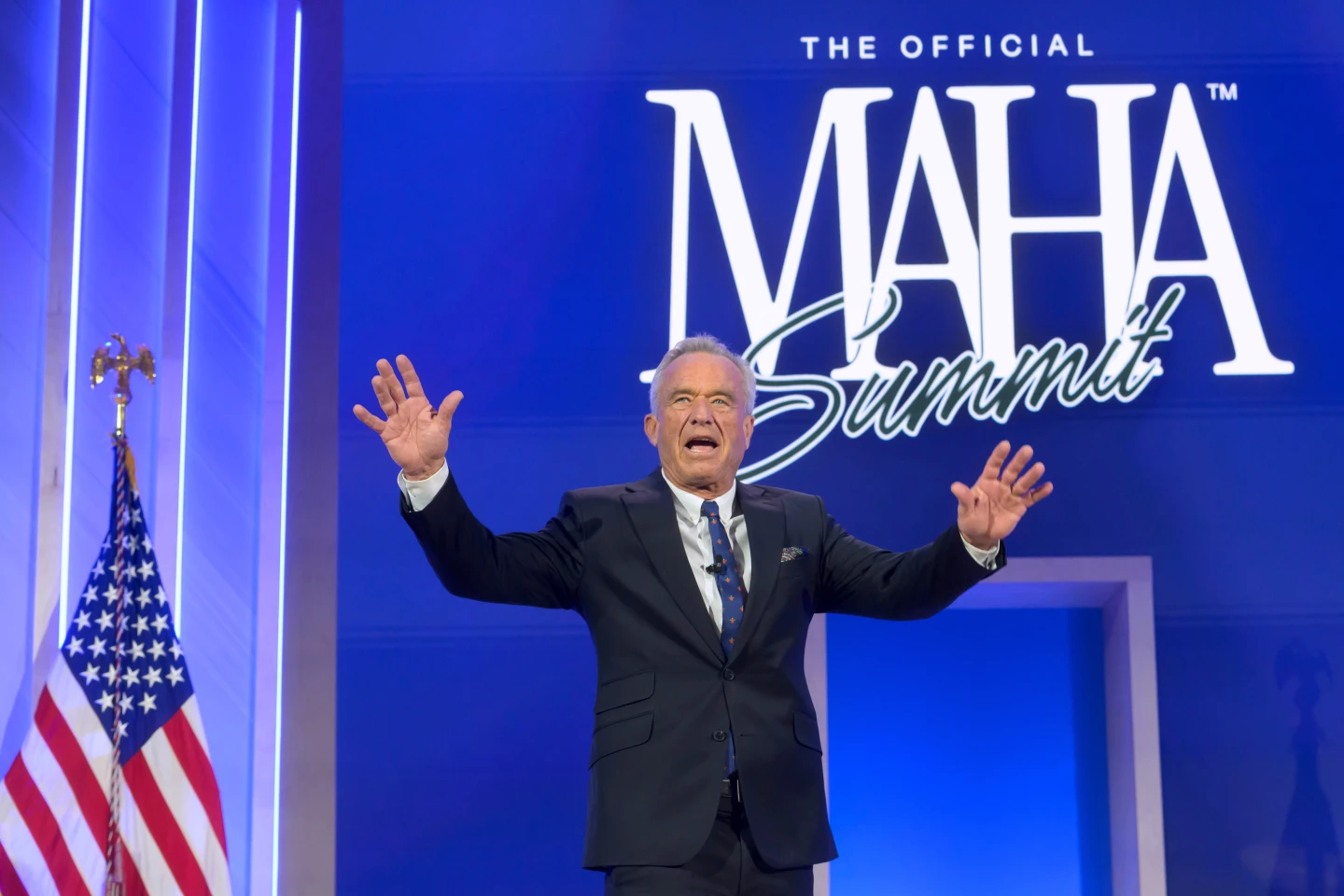
Current health recommendations advocate administering the hepatitis B vaccine to all infants within their first day of life. However, Secretary of Health Robert F. Kennedy Jr.'s committee may revise this guideline against prevalent public health advice, raising serious concerns among pediatricians and health professionals.
Dr. Sean O’Leary of the American Academy of Pediatrics stands firm in support of the vaccine, stating, “We are going to continue to recommend it because it saves lives.” Meanwhile, committee discussions have turned contentious, with concerns over the timing and context of administering the vaccine to newborns.
The Dangers of Hepatitis B
Hepatitis B is a severe liver infection that can become chronic and lead to liver failure, cirrhosis, or liver cancer, particularly in infants who are disproportionately affected. An estimated 90% of infants infected with the virus develop chronic infections.
Approximately 2.4 million people in the U.S. are infected with hepatitis B, with many unaware of their status, increasing the urgency of vaccination.
Longstanding Vaccine Recommendations
The Advisory Committee on Immunization Practices has historically shaped vaccine recommendations. In 1991, the committee first advised administering the hepatitis B vaccine to newborns, a recommendation that has since contributed to a significant decline in pediatric infections.
Recent studies by public health researchers validate the efficacy of the birth dose, citing its fundamental role in reducing the incidence of hepatitis B infections among children.
Committee’s Review Raises Concerns
Kennedy’s recent reshuffling of the committee, including appointing anti-vaccine advocates, has raised eyebrows. Questions have emerged regarding the motivation behind revisiting the birth vaccination policy, with some committee members expressing unease about vaccinating infants so early.
Impact of Potential Changes
The possible delay in administering the hepatitis B vaccine raises fears of a resurgence of preventable infections. Advocates warn that changing the recommendation could have severe public health consequences, estimating that a delay could lead to thousands of new infections and hundreds of additional deaths.
Several health organizations and state officials are urging the committee to maintain the current vaccination guidelines for newborns, emphasizing the risk of confusion and fear that may arise if the recommendations are altered.
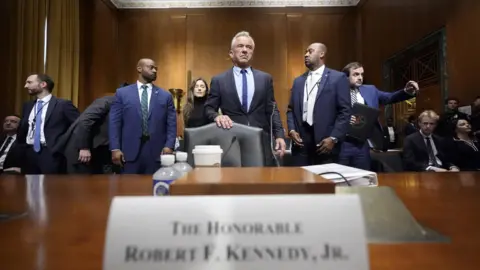
U.S. Senator Patty Murray has called for accountability from Kennedy, expressing concern that abandoning the vaccination policy represents a reckless decision that could endanger lives.
The upcoming committee meeting will prove crucial in addressing these concerns and shaping the future of hepatitis B vaccination for newborns.