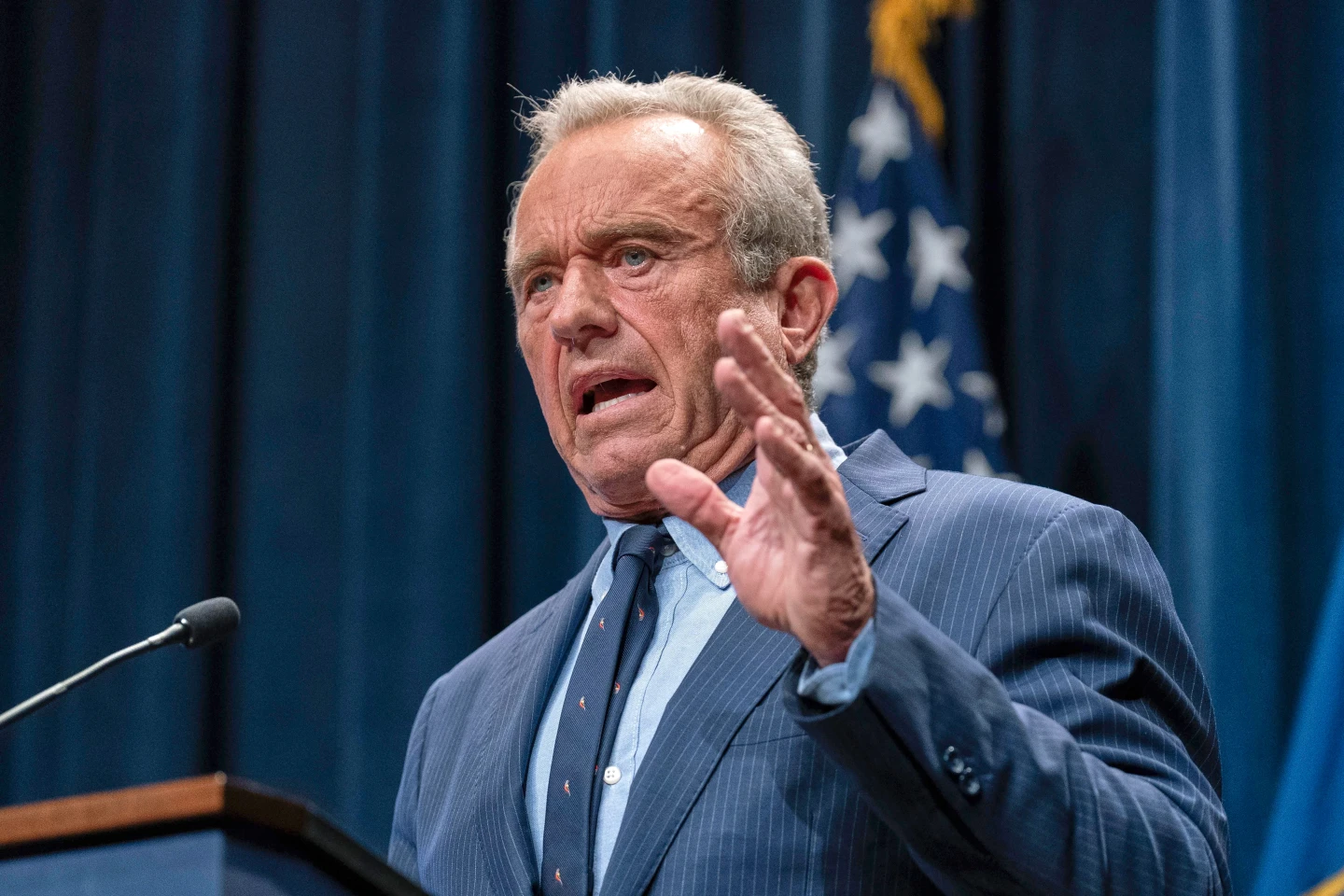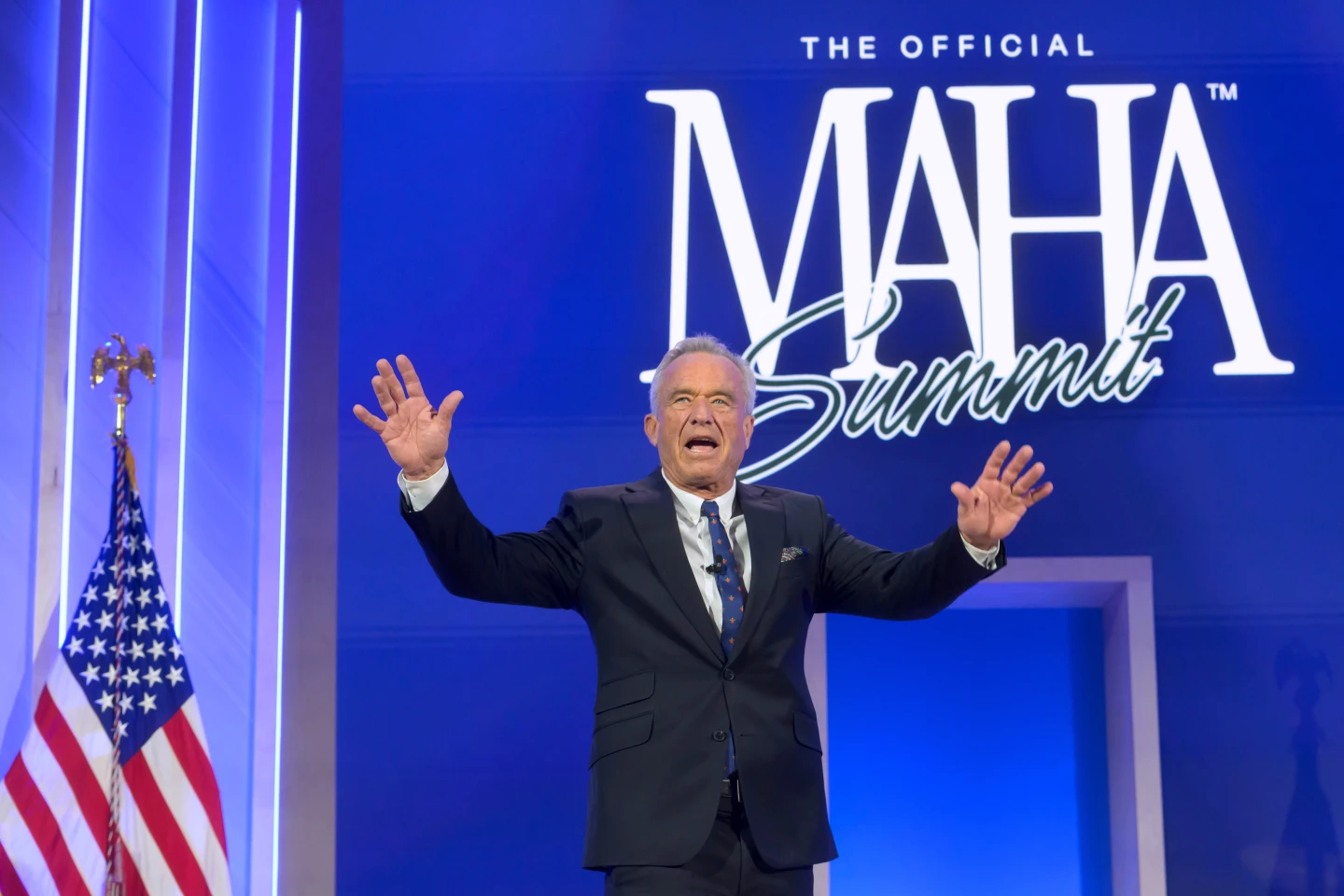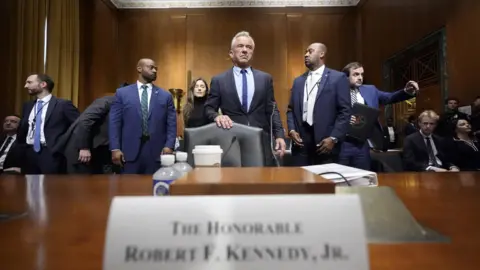
In fiery Senate testimony this week, US Health Secretary Robert Kennedy Jr. once again set his sights on the nation's top public health agency, the Centers for Disease Control and Prevention (CDC).
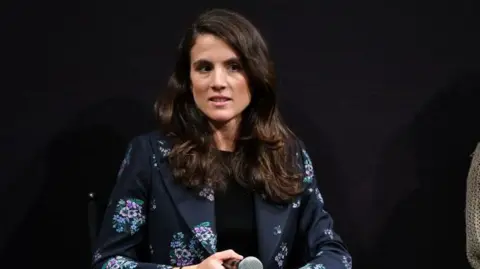
His appearance came days after he suddenly fired the new CDC director, Susan Monarez, provoking a group of senior staff to resign in protest.
At the hearing, when asked for an explanation, Kennedy claimed he had asked Ms. Monarez if she was a trustworthy person and she had replied no, leading to disbelief among his opponents in the room.
He then admitted he had once described the CDC as the most corrupt agency in government and strongly hinted he's not finished with his plans to shake up the organisation.
Kennedy's words have sparked a furious backlash, with many doctors and scientists increasingly concerned that America's public health systems are being dangerously compromised.
It's a conflict that could have a significant impact not just on health policy in the US but across the world. In the past, the CDC has been instrumental in global health, leading the response to crises from famine to HIV to Ebola.
Founded in 1946, the CDC tracks emerging infectious diseases like Covid and is tasked with tackling long-term conditions such as heart disease and cancer. It operates over 200 specialized laboratories and employs 13,000 people, though that number has been cut by around 2,000 since President Trump returned to office.
CDC does not approve or license vaccines; that power lies with the Food and Drug Administration. However, it produces official recommendations on vaccine eligibility through a panel of experts known as the Advisory Committee on Immunization Practices (ACIP) and monitors side effects and safety concerns.
It was Kennedy's record on vaccines which particularly worried many public health experts when he took office in February. An activist group he ran for eight years, Children's Health Defense, repeatedly questioned vaccination safety and efficacy.
He has labeled the Covid jab as the most deadly in history and blamed rising autism rates on vaccines, a claim categorically debunked by scientific studies.
So feathers were seriously ruffled just weeks into his tenure when it emerged he had hired a noted vaccine critic, David Geier, to reassess CDC data on that scientifically disproven link.
In June, Kennedy suddenly sacked the entire ACIP panel after accusing all 17 members of being "plagued with persistent conflicts of interest." A new committee, handpicked by the administration, now has the power to change critical recommendations for immunizing Americans, affecting the childhood vaccination program.
In her dismissal, Ms. Monarez stated she was told by Kennedy to pre-approve the recommendations of theACIP committee filled with individuals expressing antivaccine rhetoric. It is imperative that the panel's recommendations aren't rubber-stamped but rigorously and scientifically reviewed before acceptance, she wrote.
In his testimony, Kennedy accused her of lying and described her dismissal as absolutely necessary. Her firing spurred a wave of resignations at the CDC, with key personnel departing, including the chief medical officer and the director of immunization.
Kennedy's response to agency turmoil has faced criticism not just for his lack of engagement after a violent incident at CDC's Atlanta headquarters but also for dismissals of respected experts, further stoking concern among public health advocates.
Looking ahead, the next meeting of the CDC's vaccine advisory panel on September 18 will be closely monitored, not just in the U.S. but internationally. As past epidemiological crises have shown, American health policy can significantly impact global health outcomes.
Former CDC staffers and health experts worry about America's preparedness for future health emergencies, citing concerns that undermining the CDC jeopardizes future responses to pandemics.
With the evolving situation, the future of public health policy in the U.S. is overshadowed by uncertainty and controversy, highlighting the intricate link between national policies and global health infrastructure.