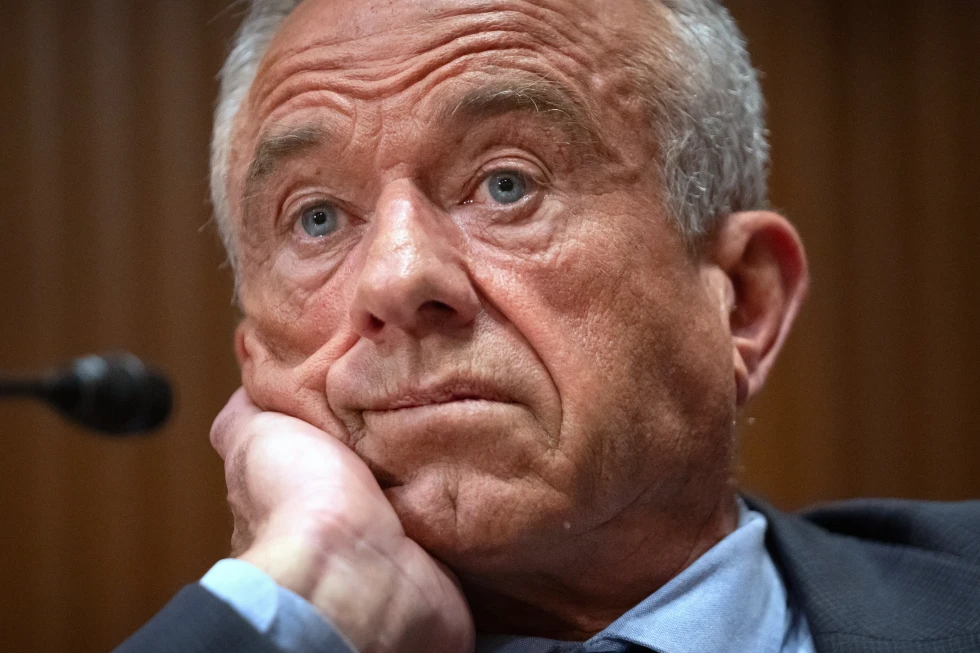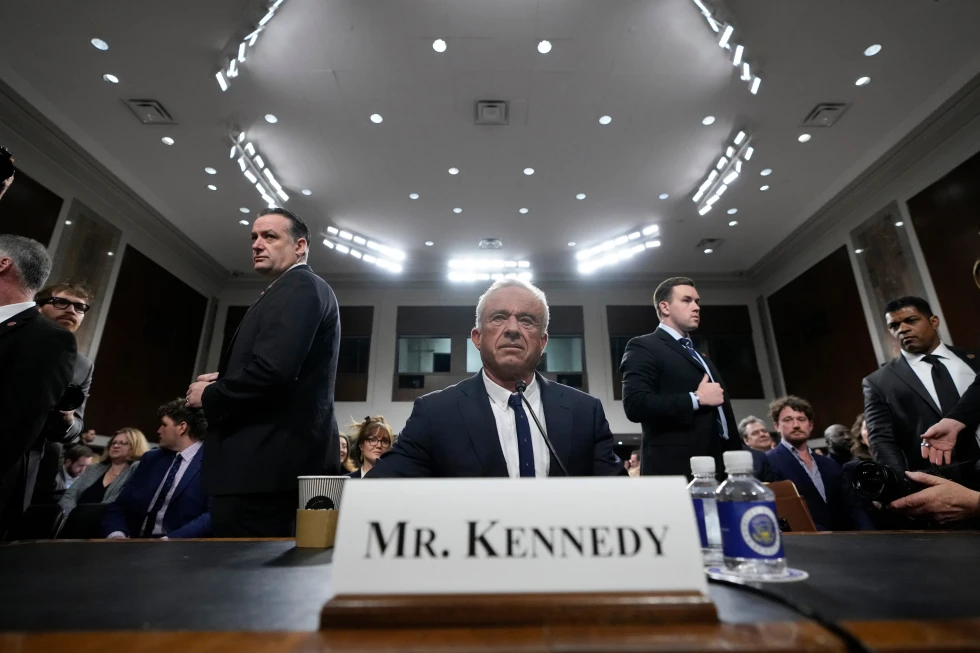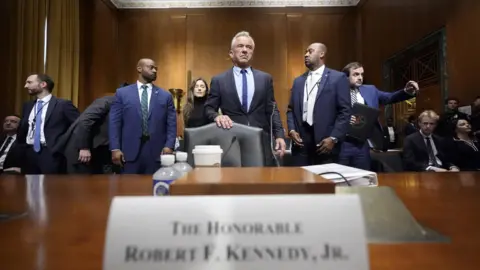
In a fiery Senate testimony this week, US Health Secretary Robert Kennedy Jr. once again set his sights on the nation's top public health agency, the Centers for Disease Control and Prevention (CDC).
His appearance came days after he suddenly fired the new CDC director, Susan Monarez, provoking a group of senior staffers to resign in protest.
At the hearing, when asked for an explanation, Kennedy claimed he had asked Ms. Monarez if she was a 'trustworthy person' and she had replied 'no', to some disbelief from his opponents in the room.
He then admitted he had once described the CDC as the 'most corrupt' agency in government, and strongly hinted he's not finished with his plans to shake up the organisation.
Kennedy's words have sparked a furious backlash, with many doctors and scientists increasingly concerned that America's public health systems are being dangerously compromised.
It's a conflict that could have a significant impact not just on health policy in the US but across the world. In the past, the CDC has been instrumental in global health, leading the response to crises from famine, to HIV, to Ebola.
Founded in 1946, the CDC tracks emerging infectious diseases and also tackles chronic conditions such as heart disease and cancer. It operates over 200 specialized laboratories and employs 13,000 people.
However, many in the public health community were ruffled by Kennedy's vaccine record upon his entry into office. An activist group he led for eight years consistently raised questions regarding vaccine safety, a matter met with considerable scientific rebuttal.
His abrupt dismissal of the entire Advisory Committee on Immunization Practices (ACIP) panel, followed by the recent firing of Monarez, has caused upheaval within the agency.
During his Senate testimony, Kennedy stood firm, insisting that the changes were necessary and that the CDC needed new leadership willing to pursue a 'new course'. He acknowledged that Monarez's firing had resulted in multiple senior resignations within the agency, stirring further concerns regarding the CDC's future direction.
As the CDC gears up for its crucial vaccine advisory panel meeting later this month, the eyes of the world are on how these drastic changes will influence both American public health and international health responses.
Observations from health experts indicate that Kennedy's leadership could lead to a precarious situation where science and health policy are overshadowed by political motivations, with potentially dire consequences for global health preparedness.