A new Bollywood spy film is generating praise - and unease - in India and Pakistan for its contentious portrayal of the longstanding hostilities between the South Asian neighbours.
'Dhurandhar', which hit cinemas last week, plunges audiences into a high-octane world of espionage, gang wars, and patriotic fervour.
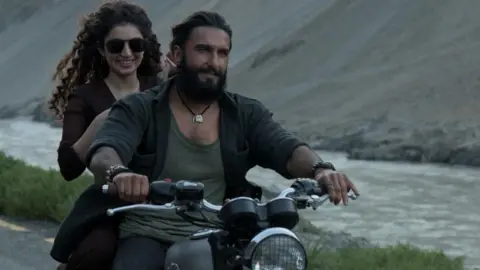
Anchored by Bollywood star Ranveer Singh's swaggering performance as Hamza, an Indian spy on a perilous mission in Karachi, the film traces his battles against criminal networks, shadowy operatives, and personal demons — all framed against the backdrop of India-Pakistan tensions.
While the action-packed sequences and riveting plot have earned praise from many viewers, the film, directed by Aditya Dhar, has also provoked sharp debate over its political messaging and treatment of historical events.
Dhar first gained national attention in 2019 with his debut Uri: The Surgical Strike, a dramatisation of India's 2016 airstrikes on Pakistan. The film was a major box office hit and earned him a national film award.
Though Dhurandhar is only his second directorial effort, he has co-written and produced other films, including last year's Article 370— about the 2019 revocation of Kashmir's autonomy — which was a major success and earned praise from Prime Minister Narendra Modi.
Dhurandhar, arriving months after the worst India-Pakistan military clash in two decades, sees Dhar return to the political-thriller genre on a grander scale.
Deadly fights erupt in cramped rooms, gunfire rattles through crowded alleys, leaving behind trails of bodies, and torture scenes linger uncomfortably long. The violence is graphic and filmed in tight, suffocating frames that heighten the sense of discomfort.
Online, praise and criticism have flown in equal measure — some are impressed by the film's cinematic ambition and exhilarating plot, while others find its hyper-nationalist tone and use of violence unsettling and inflammatory.
The debate has grown so heated that some reviewers faced backlash, with Dhurandhar supporters accusing critics of judging the film through political bias rather than cinematic merit. The Film Critics' Guild, an association of critics, issued a statement this week condemning the targeted attacks, harassment, and hate directed toward film critics for their reviews of Dhurandhar.
But despite the polarised reactions, the film has attracted large audiences and has quickly become one of the year's biggest hits, mirroring a trend in Indian cinema of films that weave nationalist themes into their narratives. Though criticisms abound, many viewers insist on enjoying the film purely for its entertainment value.
Cinematically ambitious yet politically charged, Dhurandhar epitomises the delicate balance filmmakers must navigate as they weave stories that reflect and distort the harsh realities of Indo-Pakistani relations.