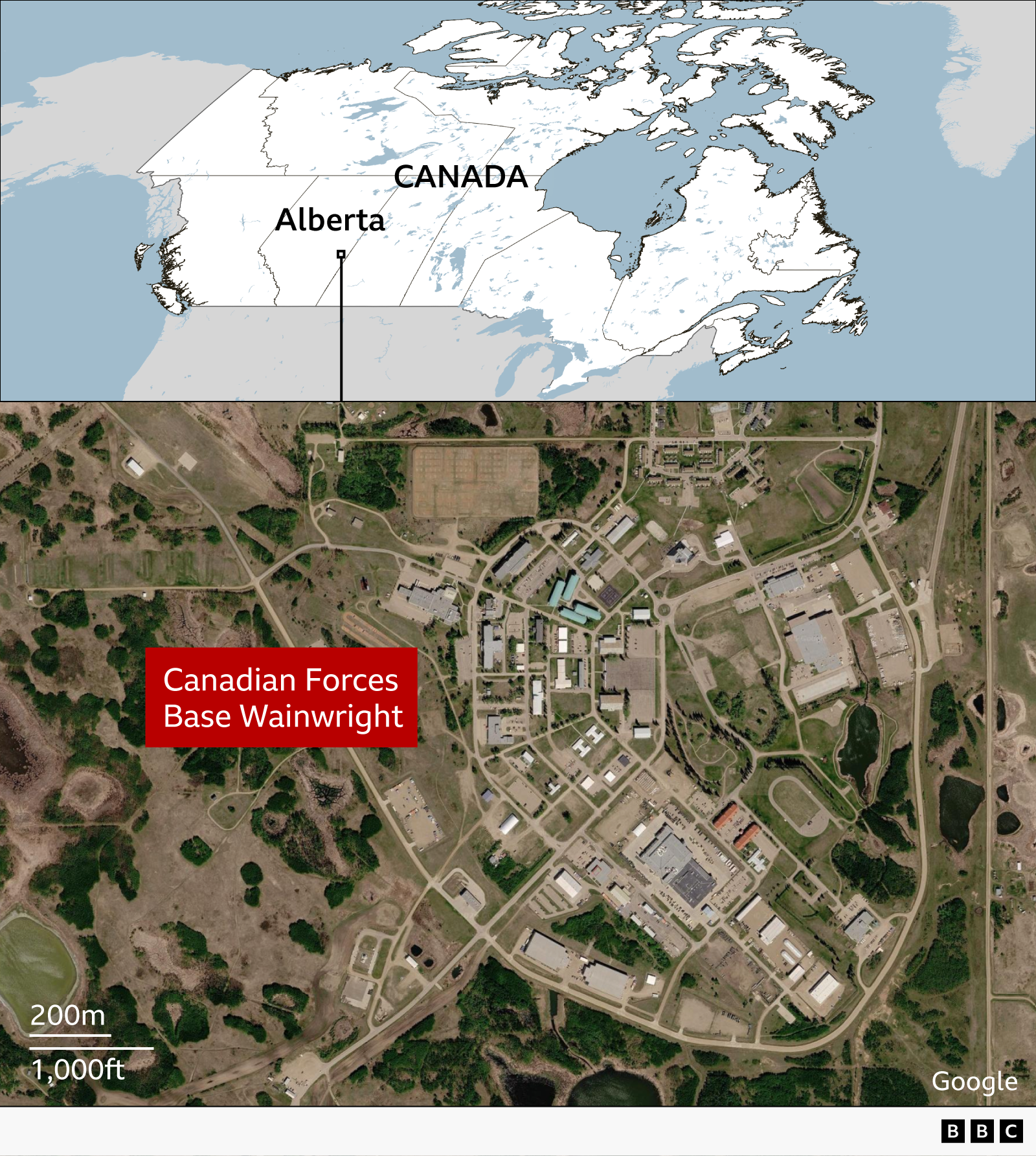

The March 2024 referendum in Alberta saw the province decisively reject an independence vote, with preliminary counts indicating that more than two‑thirds of voters chose to stay in Canada.
Alberta’s rank‑one oil and gas province has long felt its interests overlooked by Ottawa, reviving a divisive debate about provincial autonomy that has simmered for decades.
For the separatist movement, whose leaders—including Mitch Sylvestre of the Alberta Prosperity Project—had campaigned vigorously for a binding referendum, the result was a hard blow. Sylvestre summed up his reaction with the terse phrase \'Not happy\' in a brief interview with the BBC.
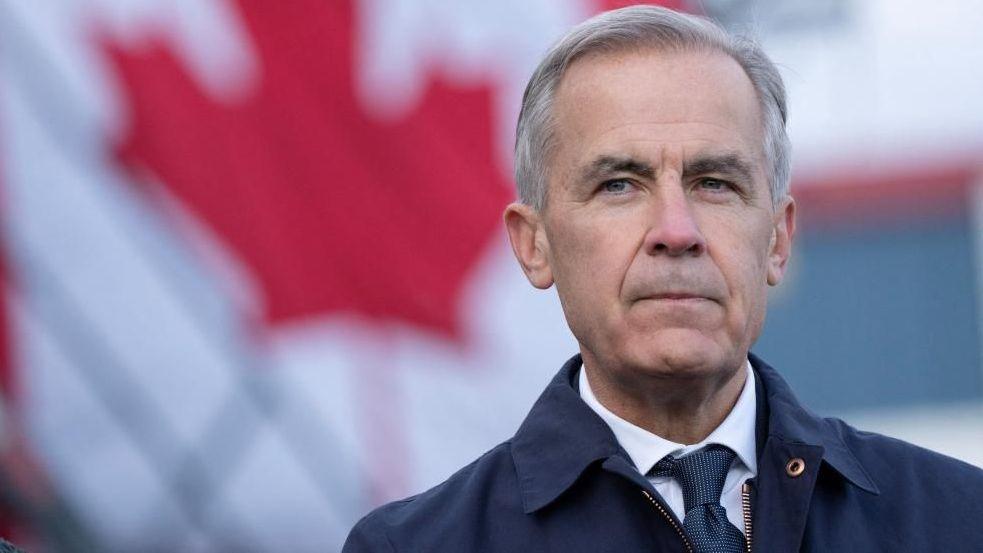
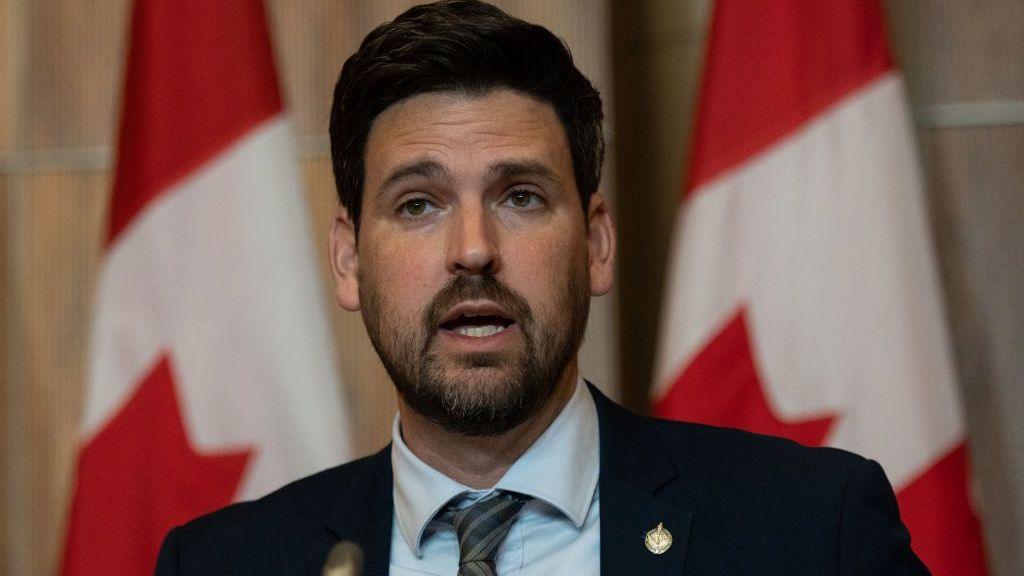
Prime Minister Mark Carney welcomed the outcome, stating that \'Albertans made a clear choice\' and emphasizing that the vote reaffirmed Canada’s unity. Carney’s stance signals the federal government’s intent to move past the constitutional question, at least for now.
Analysts note that while the 66% majority formally extinguishes the separatist push, the underlying grievances—particularly around the federal government’s climate and oil policy—may continue to fuel tension in Alberta’s political arena for years.
With the referendum declared non‑binding, Premier Danielle Smith’s decision to lower the petition threshold introduced her to criticism, yet it also achieved the immediate goal of keeping her base satisfied. The province now faces a new chapter, one in which questions about provincial autonomy and federal oversight will likely remain at the forefront of political discourse.
As Canada’s economy and national identity settle into post‑referendum realities, the Alberta experience will offer a cautionary tale for any province wrestling with the desire for self‑determination against the backdrop of a shared federation.