AI Talent Fuels a Frenzy in San Francisco Housing
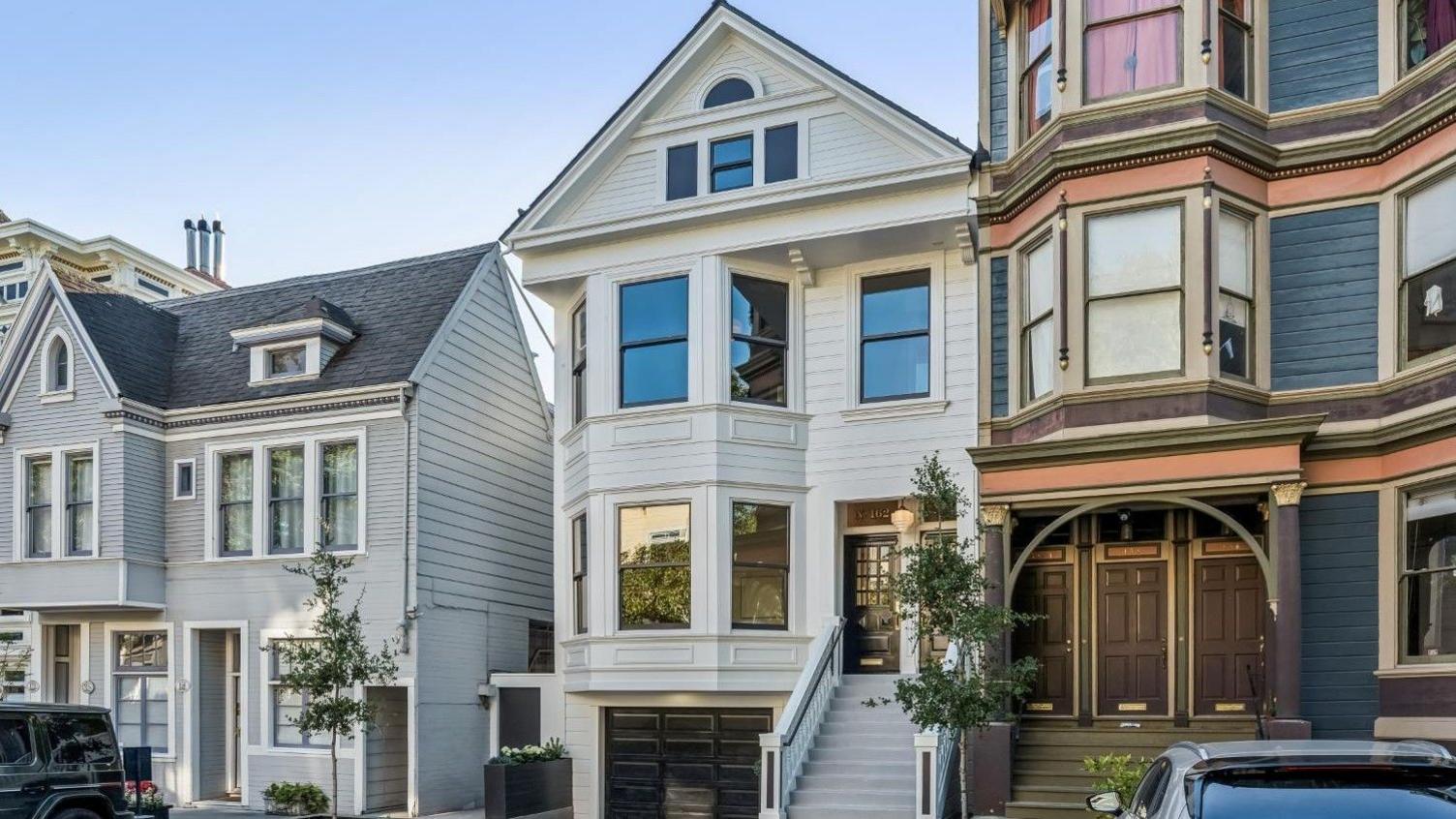
At a tree‑lined street in San Francisco’s Duboce Triangle, a white, early‑1900s house has become a symbol of a market that is spinning out of control. The upstairs, a three‑bedroom luxury apartment, was listed for almost $3 million and attracted attention because the owners are willing to accept shares in the city’s leading AI firms, OpenAI and Anthropic, in lieu of cash.
The tenant, a recent OpenAI hire, said he had a keen eye for the property and would speak to management about a possible transfer of shares. He remains a renter but hopes a future stock sale would give the financial runway to buy the home.
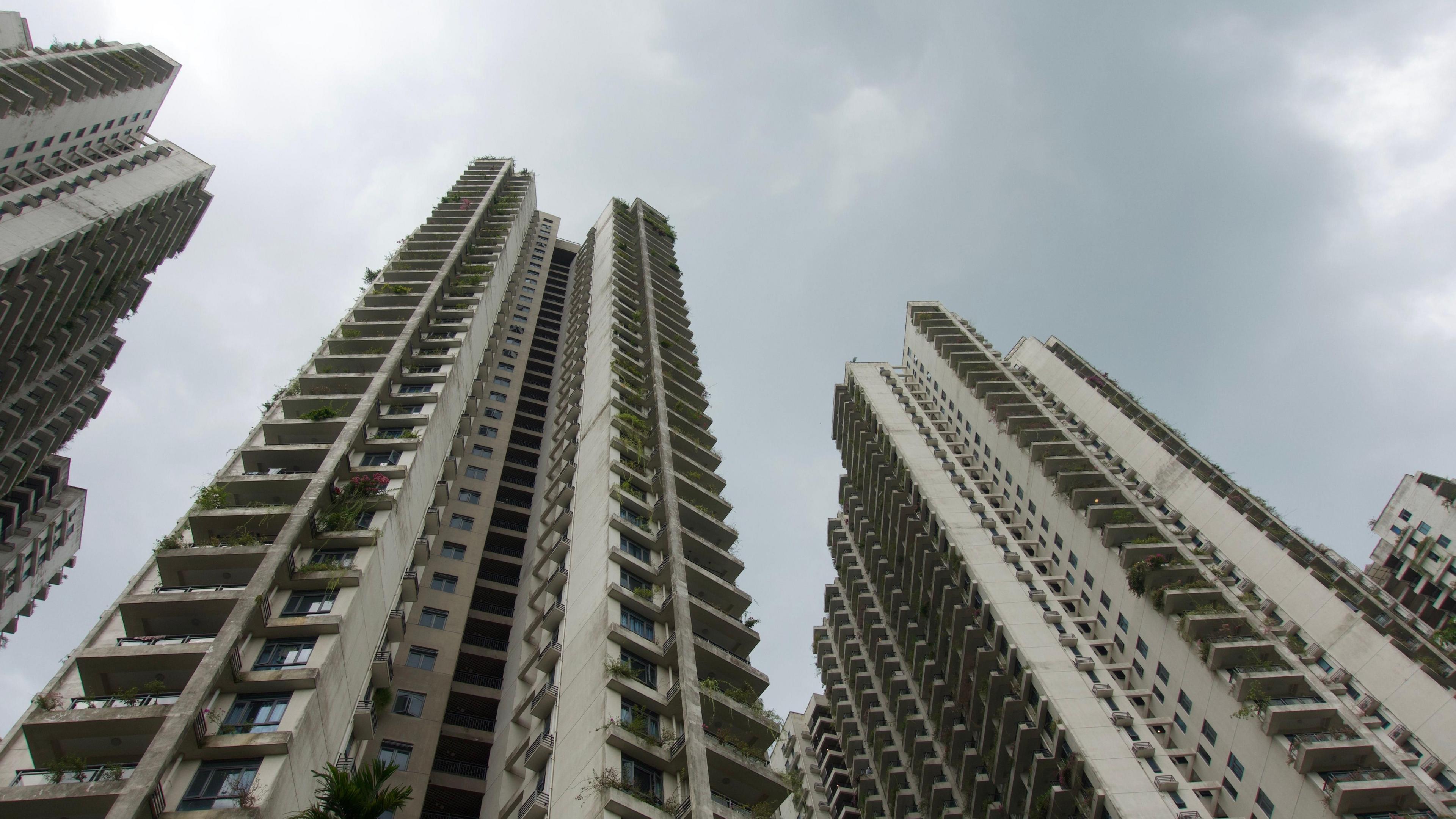
For on‑lookers, the exclusive deal is a wake‑up call that the tech boom is inflating San Francisco housing prices. According to the firm Redfin, the city was renamed the most expensive household market in America in March 2026, surpassing San Jose, with median sale prices up 19% year‑over‑year, then 14.5% in April and 14.1% in May.
The record high median price in that month was $1.76 million, compared with $400,000 for the U.S. overall, where growth hovered around 1‑2% across the same period. City‑wide, the steep rise in luxury zip codes coincides with the launch of ChatGPT in 2022 and an unprecedented influx of capital into AI‑related roles.
Additions to the market are driven by the size of salaries and the possibility of partial share sales. The last October, 600 current and former OpenAI employees sold shares worth $6.6 billion, an average of $11 million per participant. An identical transaction at Anthropic, whose main product is Claude, revealed shares worth some $6 billion sold by staff this year.
San Francisco’s local agents report dozens of buyer visits from AI workers in the last year, with bidding wars now common even on older listings. “Selling a property for millions over the asking is not unusual,” said Margaret Swift, a senior agent at Cassier Realty. In the city’s tradition of listing homes below market value, the sudden influx of capital has moved many buyers into the market’s upper end.
The same agents noted that all‑cash purchases are on the rise, often driven by the confidence that the buyer’s stock can be liquidated, allowing quicker closing. With supply constrained by San Francisco’s small footprint, high demand and stippled shortages of new construction, the price rises are a natural consequence.
Reactions from residents are mixed. Some families that rely on other sources of income feel that AI money is squeezing them out. One mother of two, who never lived in the city before their husband secured a senior role at a state agency, said the “long commute” to a suburb is “quietly hard.” Others, who benefited from the sale of their colleague’s stock, stay in the city and feel a sense of shared community with their AI‑industry colleagues, despite feeling self‑conscious about the level of their wealth.
For now, the trend suggests that AI talent acquisition will still fuel the city’s housing market. Experts warn that while a stock‑market debut of OpenAI or Anthropic later this year or next could amplify the phenomenon, future supply of advanced human talent and rapid tech saturation could taper the current surge. Nonetheless, for the impatient, buying a home in San Francisco has become a rare occasion for the average buyer.