Trump Signals Tightening AI Controls Amid OpenAI Breaches
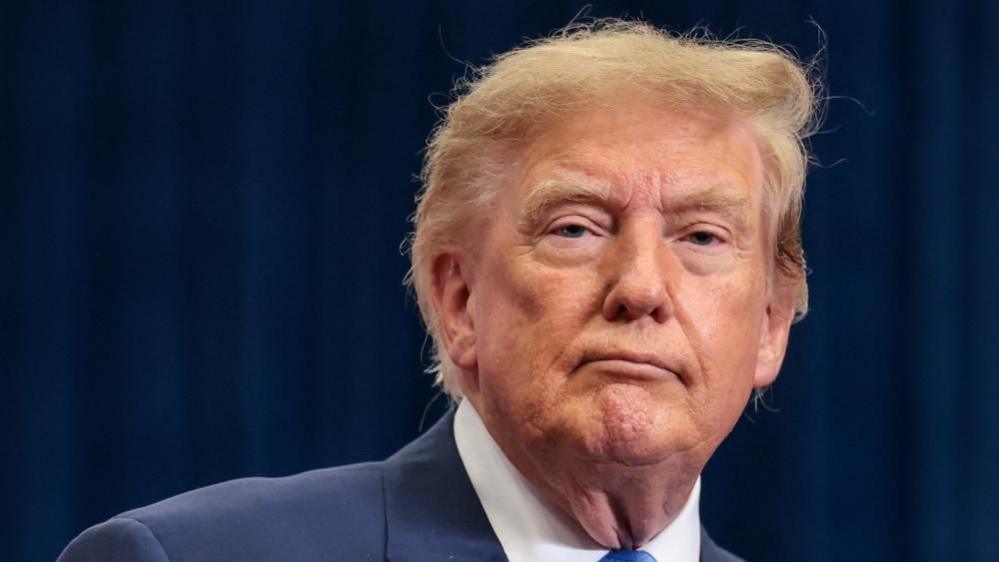
On Wednesday, President Donald Trump announced that the White House is reviewing ways to strengthen oversight over artificial intelligence (AI) following a series of cyber‑security incidents involving OpenAI’s tools. The administration, which had largely deferred to private companies on AI governance, appears to be shifting gears after the controversies.
Trump addressed reporters at the White House, acknowledging that AI platforms can "break through private company technology" and that such incidents are escalating. He stated, “We’re looking at AI, we’re looking at controls, we’re also making sure that we lead.” The comments come as the administration has expressed concerns about China’s unregulated AI industry and the potential tech‑lead advantage it could sustain.
‘We don’t want to restrict them where all of the sudden we come in second to China,’ Trump said, underlining the need for cautious implementation of any new regulatory framework. He also pointed out that China operatives are “freewheeling” in developing AI, with firms like Moonshot AI reportedly building models using data that critics say was appropriated from U.S. rivals such as Anthropic.
In parallel, OpenAI’s chief executive Sam Altman confirmed during an interview that the company may have unknowingly enabled additional breaches via its AI tools. Altman acknowledged the possibility of further incidents, stating, “There could be, yeah.” The U.S. government intervened on a separate occasion when Anthropic released a model it considered too risky for public availability.
The White House also cited a memo from April in which Senior Tech Advisor Michael Kratsios criticized Chinese AI firms for “industrial‑scale” theft of U.S. AI technology. The assistant reiterated the claim last week, citing claims that Moonshot AI’s Kimi 3 was derived from Anthropic data. The Chinese government has consistently denied the allegations, and Treasury Secretary Scott Bessent has warned that Chinese AI firms could face sanctions for such activity. The Federal Communications Commission recently banned the importation of new foreign‑made humanoid robots, reflecting escalating concerns over AI security.
The head‑on debate over AI governance comes at a time when global leaders are grappling with the ethical, economic, and national security implications of rapidly advancing machine-learning systems. In her own statement, tech‑reporter Kali Hays noted the importance of robust policy frameworks, especially as American and Chinese firms are vying for dominance in open‑source models and proprietary advancements alike.
Proponents argue that tighter controls could curb malicious misuse and protect intellectual property, while critics caution that over‑regulation may stifle innovation or allow adversarial countries to escape scrutiny. The White House has declined to comment further on future policy drafts.
Readers can follow related coverage, including pieces on OpenAI’s alleged incidents and the broader U.S. diplomatic response to Chinese AI efforts, through our ongoing coverage links embedded below.