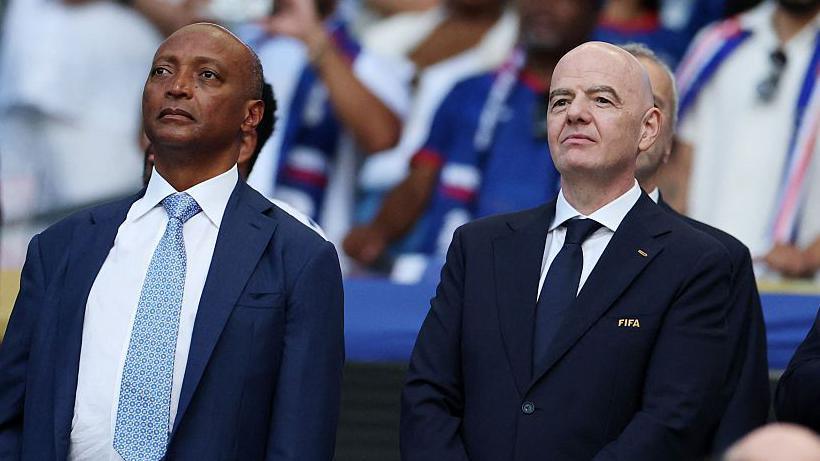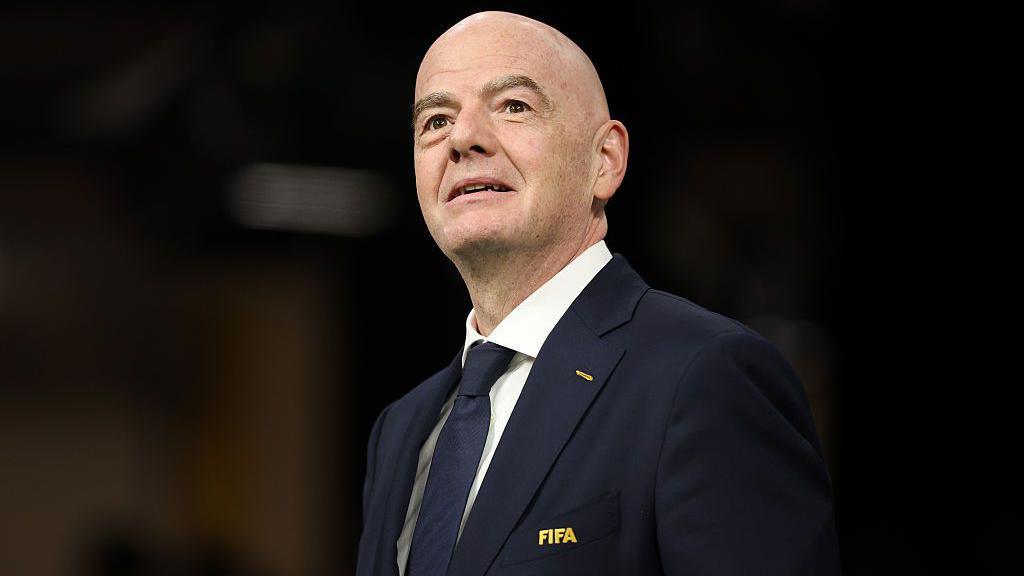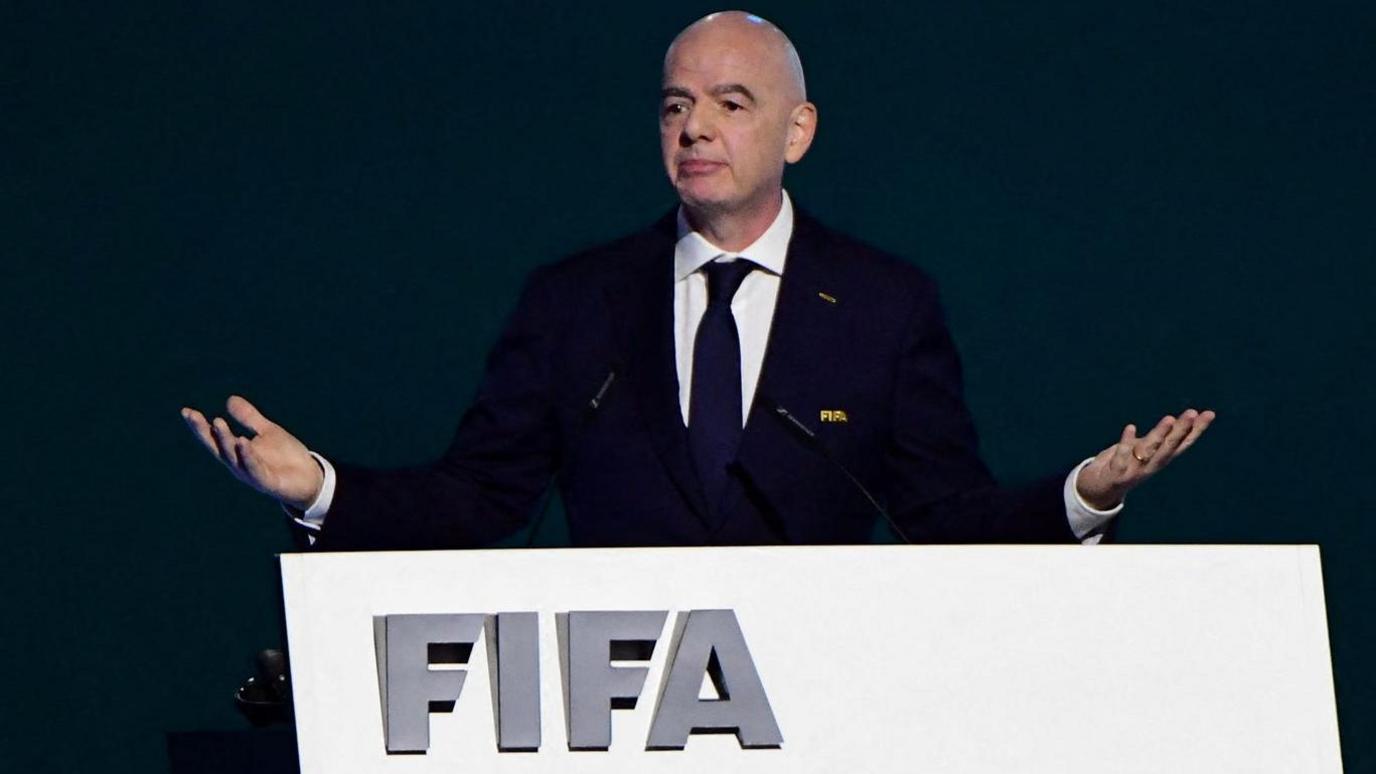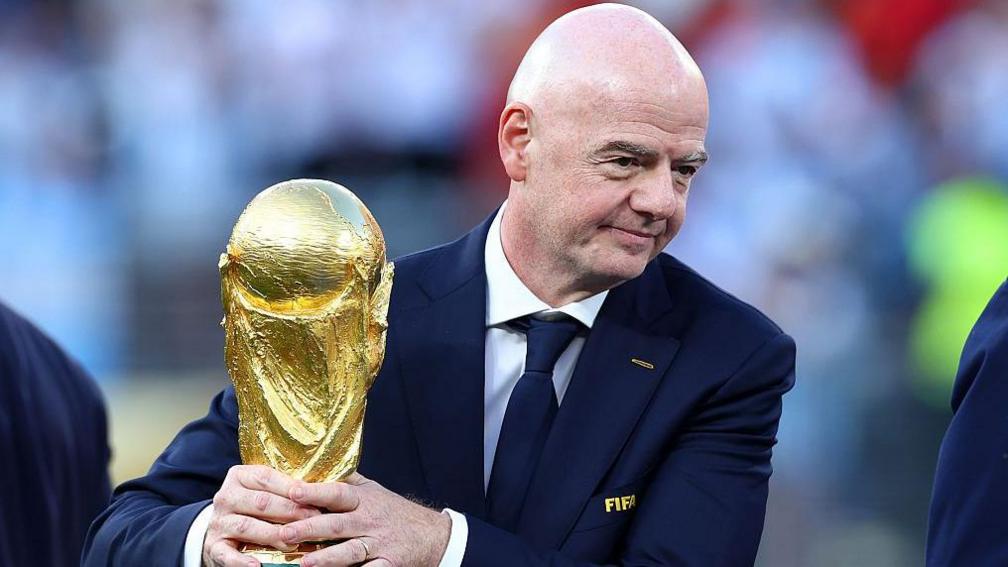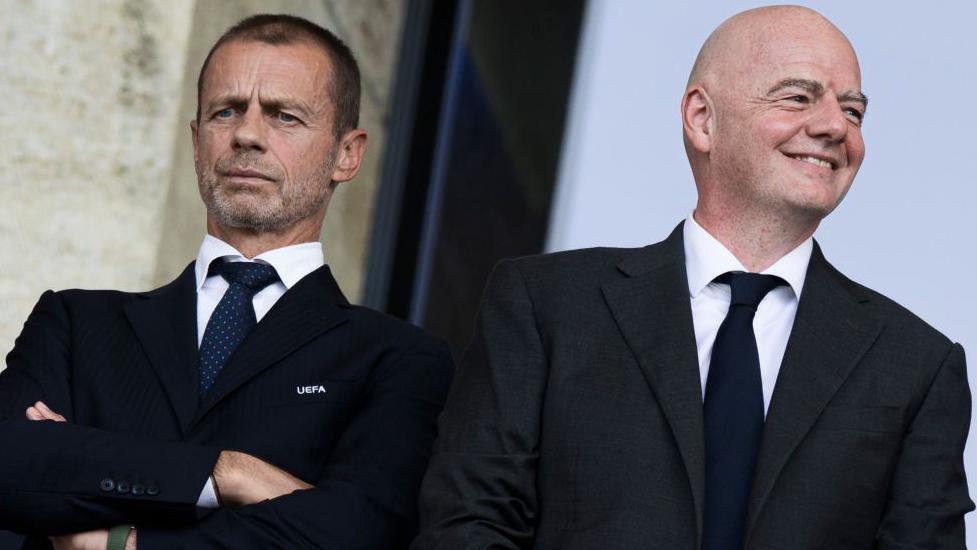
European football’s governing body, UEFA, has called for a boycott of all FIFA competitions should the federation go ahead with a plan to sell stakes in the World Cup to private investors. The decision follows a last‑week emergency meeting among UEFA’s 55 member associations, which voted in support of the boycott. FIFA’s proposal, spearheaded by President Gianni Infantino, would set up a commercial subsidiary – the FIFA Forward Enterprise (FFE) – that would allow third parties to make minority, non‑controlling investments in the organisation that runs the federation’s flagship tournaments.
The plan includes a $40m (£30m) cash offering to federations that endorse the proposal, with an early‑bird payment of $20m (£15m) available if funding is received by 1 January 2027. Infantino has framed the proposal as an “offer, not an obligation”, but UEFA’s statement accused FIFA of “using football to enrich themselves and their friends” and described the move as “irresponsible and indefensible”.
If the boycott is enacted, it would encompass all FIFA tournaments, from the men’s and women’s World Cups to the Club World Cup. The first test of the boycott would come in October, when the Women’s World Cup play‑offs are scheduled. Under the current consensus, all European national side’s participation in these tournaments is seen as essential to the commercial and competitive viability of FIFA’s events.
The footballing community has rallied around UEFA’s position. The England FA described itself as standing “shoulder to shoulder” with Europe’s colleagues, while Scotland’s FA echoed the sentiment that “the World Cup belongs to football and always will”. Additional support has come from the UK’s Culture Secretary Lisa Nandy, who said “football belongs to the fans, not billionaire investors”, and the Premier League, a member of the World Leagues Association, has called for the withdrawal of the FFE proposal.
The decision exposes a “very serious dilemma” for FIFA. A lack of clarity means that the federation has not yet responded to UEFA’s statement, leaving questions over how the World Cup’s future will be shaped. Former FA chairman David Bernstein said, “If they want to raise capital, there are alternatives that won’t threaten the core of the sport.” He added that, despite a chance for a schism, the current situation is unlikely to lead to a permanent split, because both competitions and European participation need each other to thrive.
Analysts liken the proposal to the disastrous European Super League experiment with its threat to the very fabric of football. UEFA has the power to stall or even stop FIFA’s plan, which, if approved, could expand the scale and frequency of tournaments and give private investors a larger slice of the game’s revenue. The stakes are high: without a 2000‑age European presence in World Cup finals, the financial rewards for FIFA would be severely constrained.