The 24 Hours That Shook FIFA
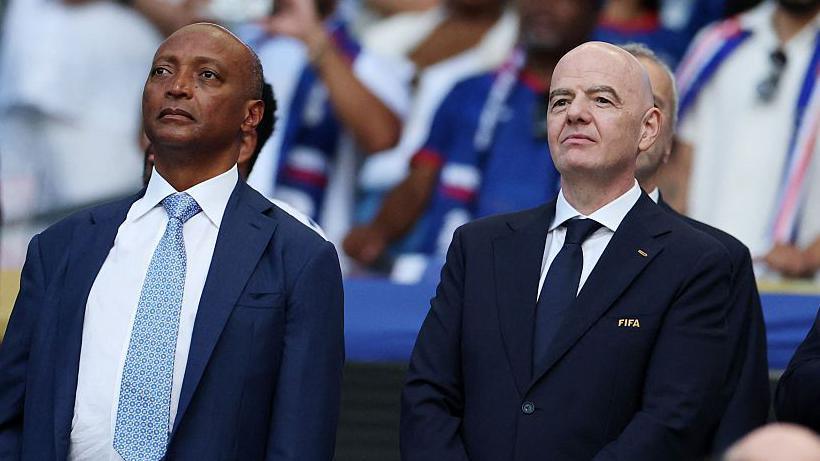
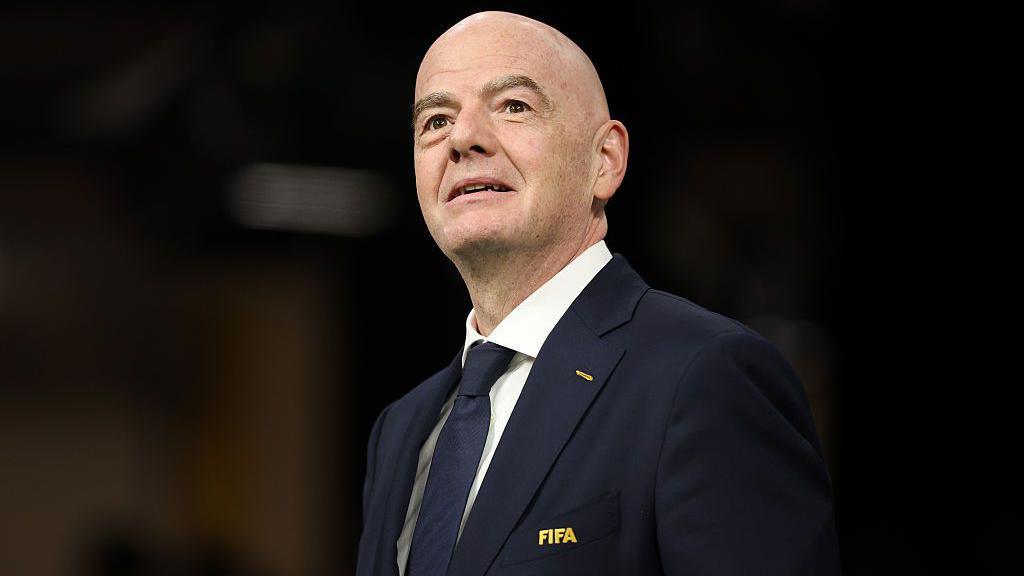
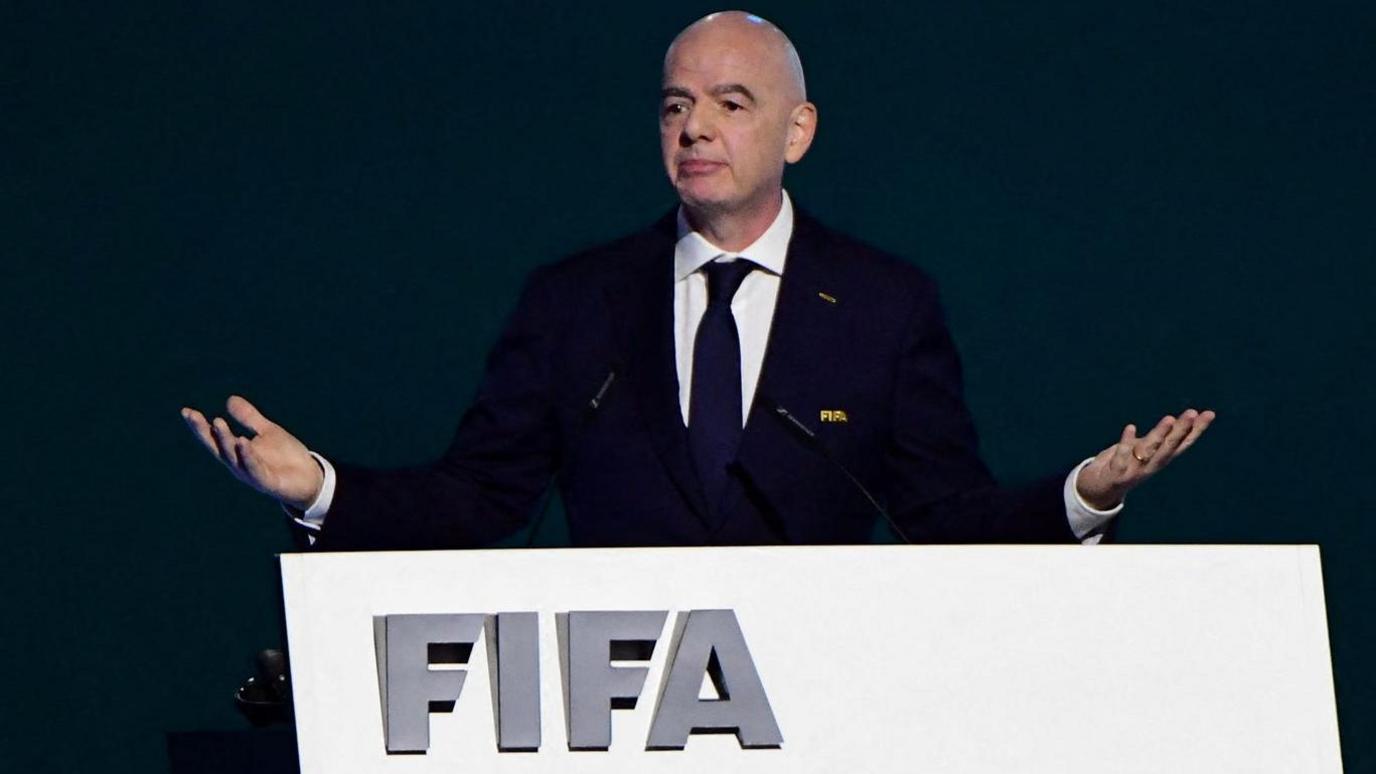
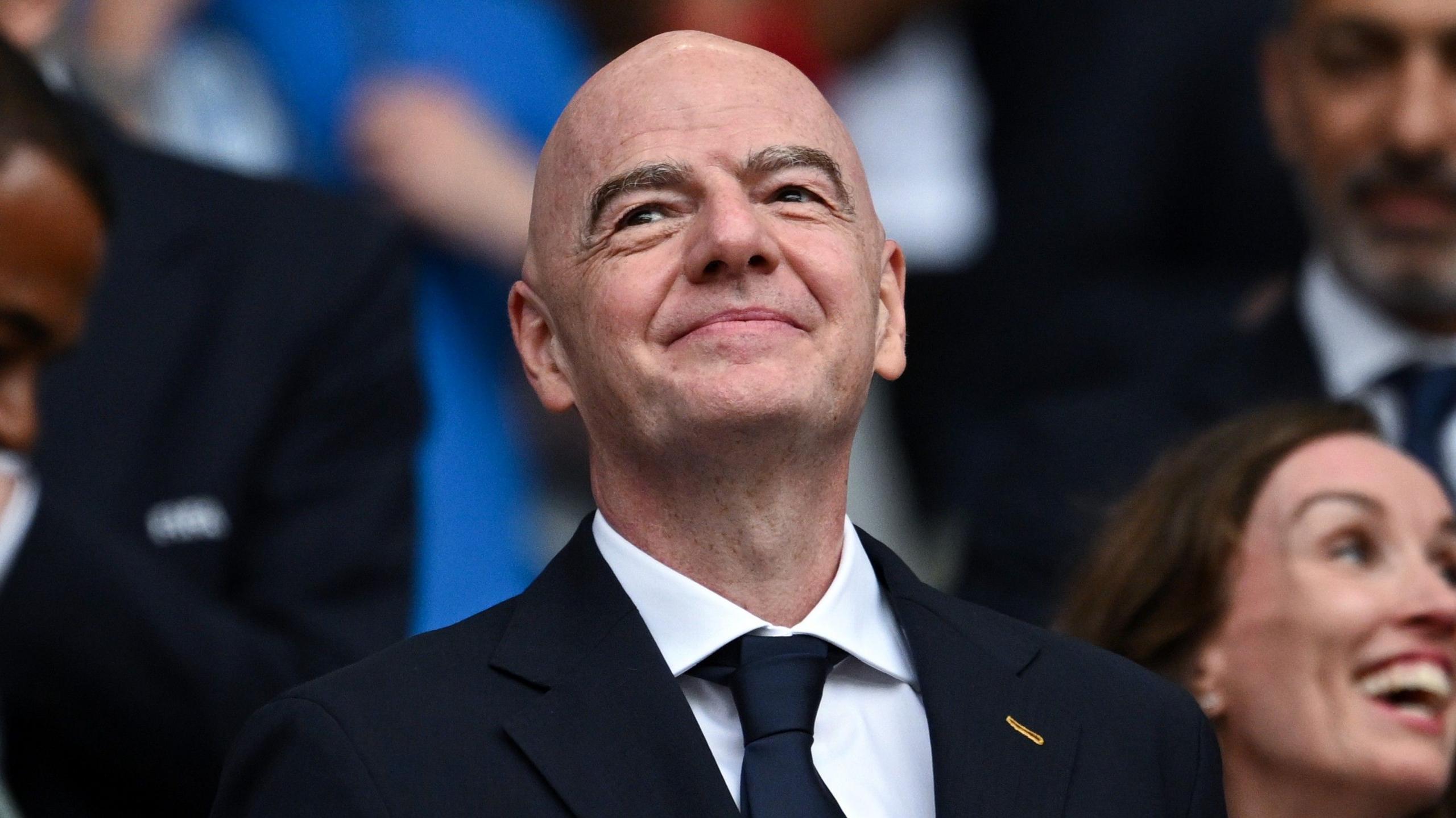
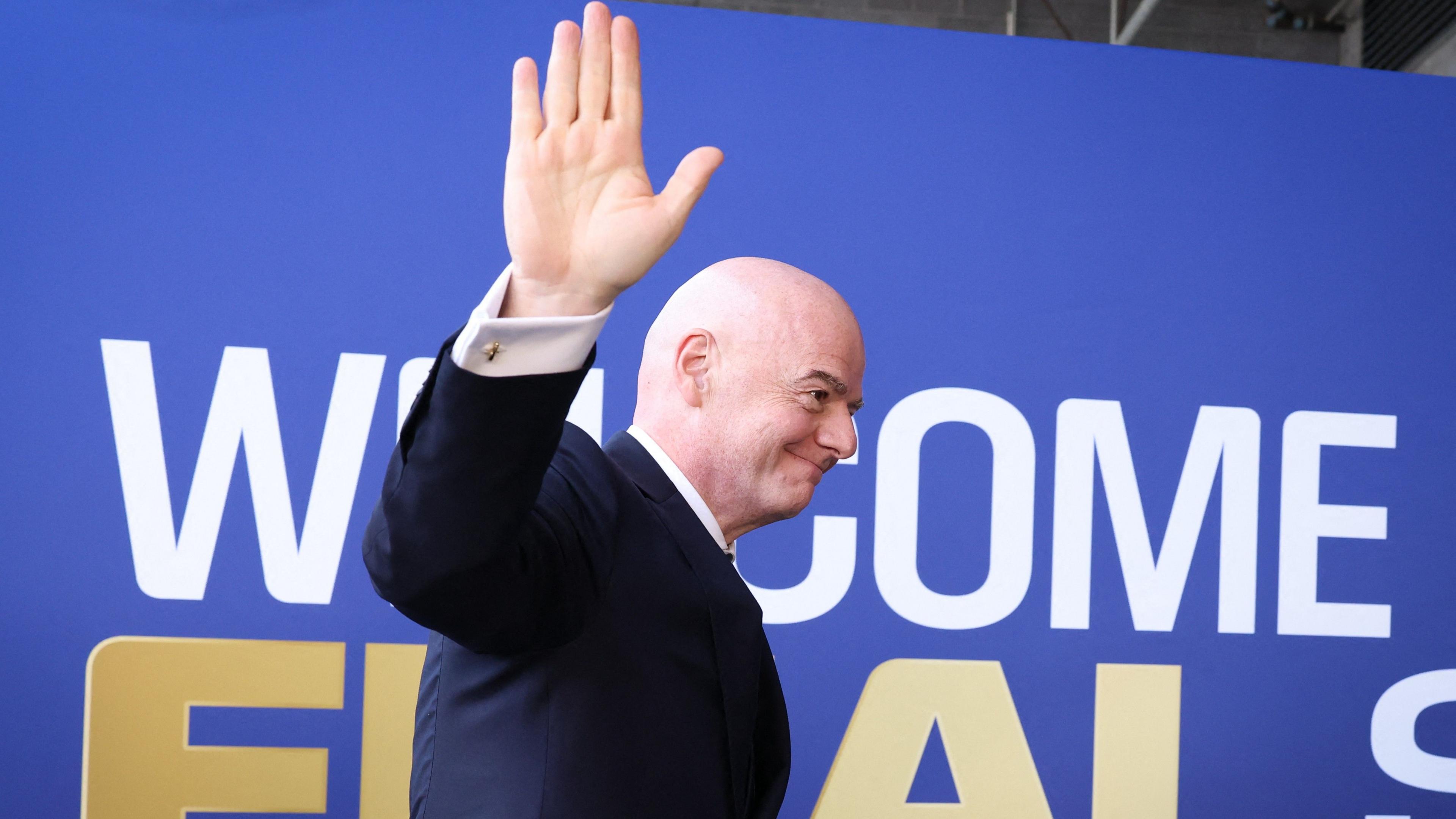
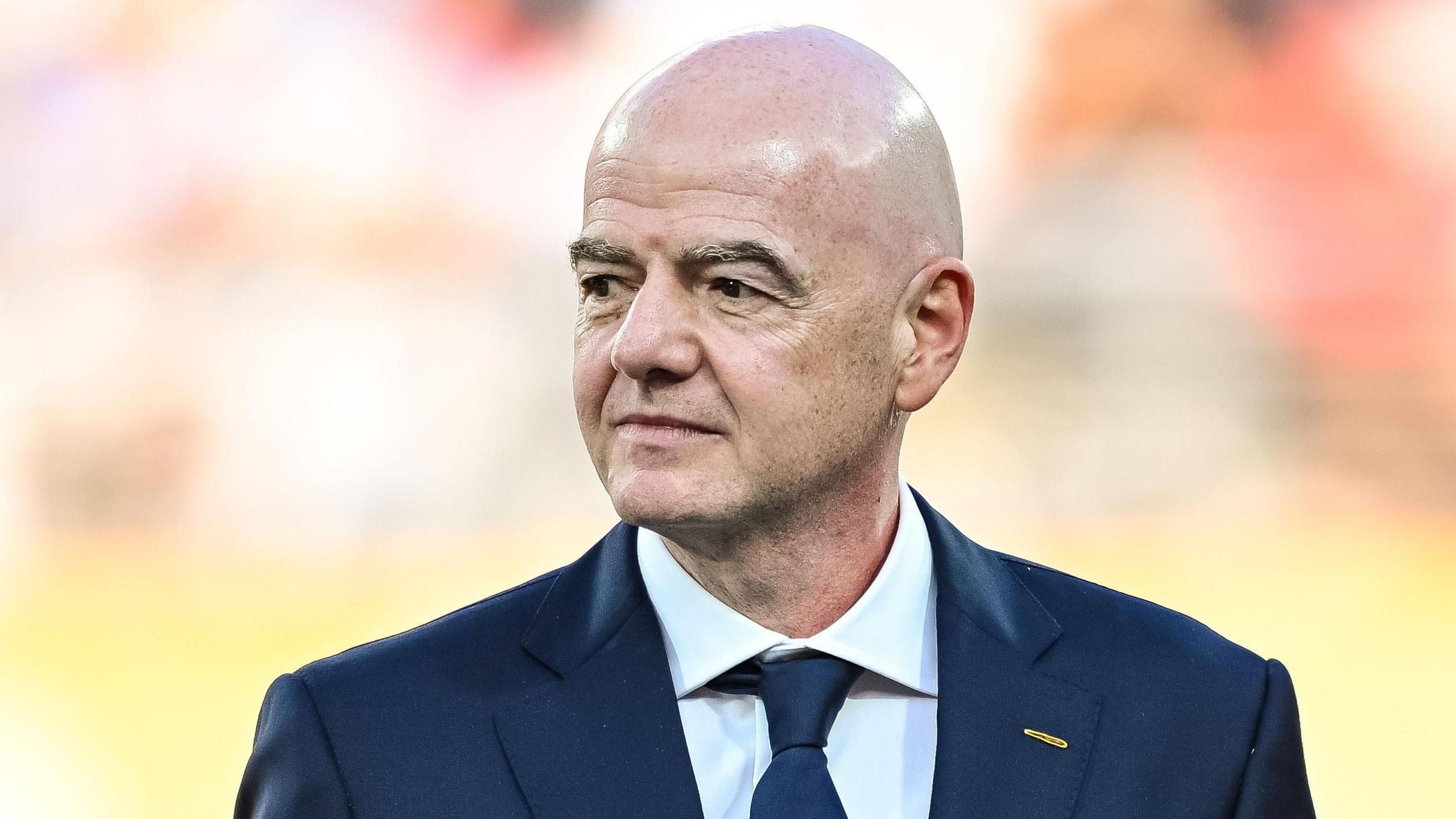
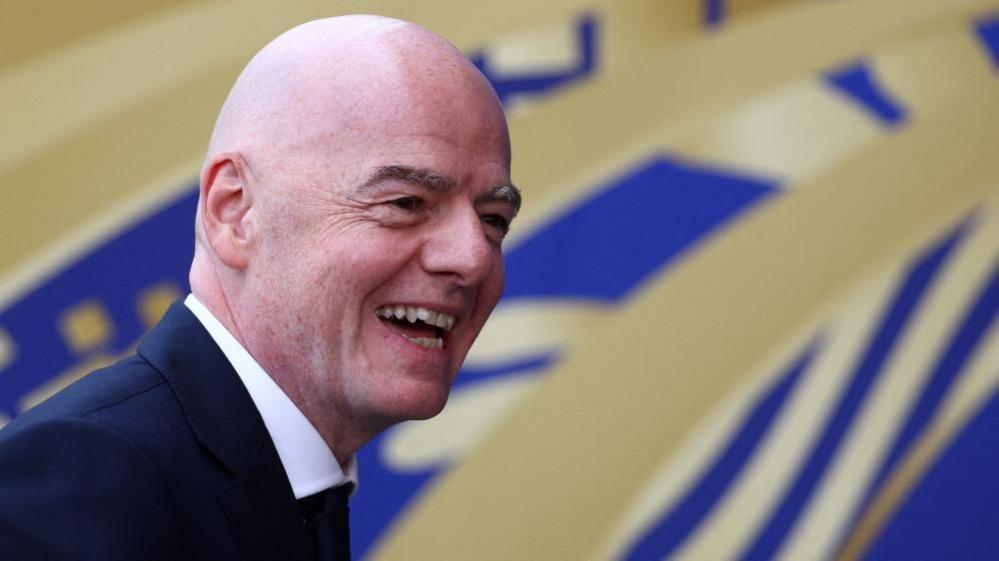
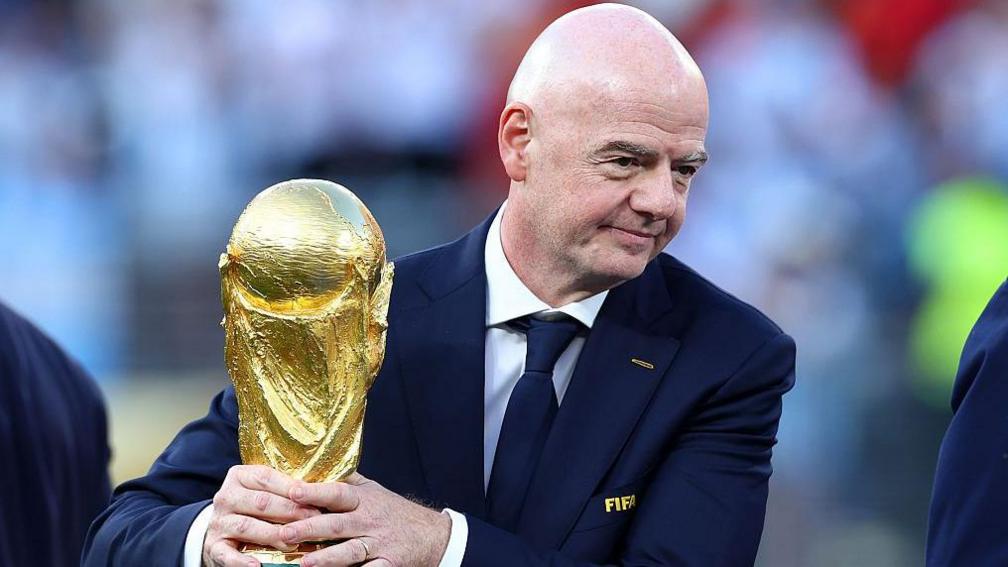
Gianni Infantino entered the week as FIFA’s most powerful figure, a position hardened by his 2016 election. In a sudden turn, he launched an unapproved plan to sell stakes in FIFA competitions to private investors. The initiative, carried out behind closed doors, sparked alarms among member associations and generated a wildfire of dissent across the football world.
UEFA’s Resounding Challenge
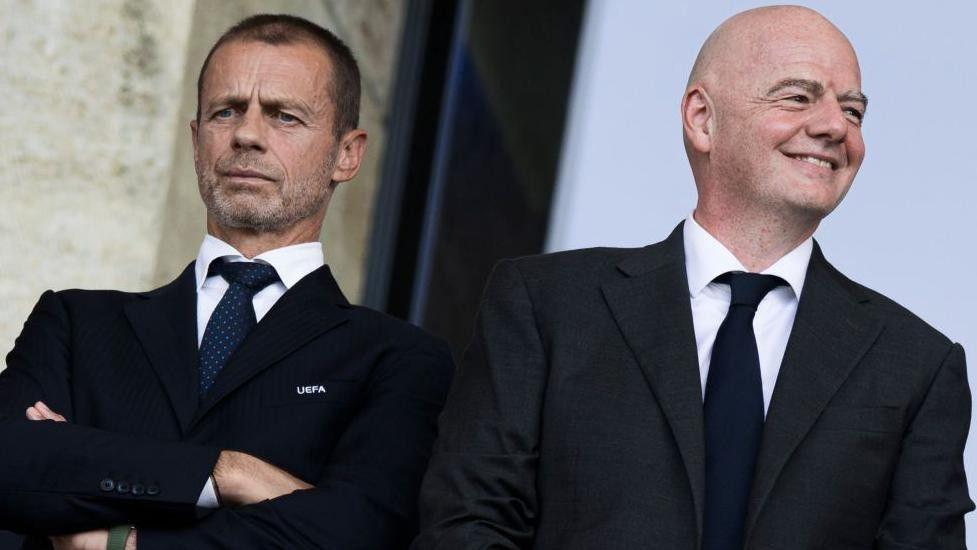
UEFA, the most vocal critic, threatened to boycott all FIFA competitions, signalling a move that could cripple the 2026 World Cup in the United States and Canada. In its first public statement of disapproval, the UEFA president declared the organisation had 'lost confidence' in Infantino’s leadership.
Global Federation Backlash
Other confederations followed suit. CONCACAF demanded a full review of FIFA leadership, while the Asian Football Confederation (AFC) and, unexpectedly, several Pacific nations voiced discontent. The exodus of Infantino’s senior adviser Carlos Cordeiro and COO Kevin Lamour added fuel to the fire.
Paths to Ouster
There are three formal routes for removing Infantino from office:
- Voluntary Resignation – The easiest and most common route, as seen with Sepp Blatter in 2015.
- Emergency Council Meeting – Triggered when 19 of the 37 council members petition the meeting; it could compel Infantino to resign within two weeks.
- Extraordinary Congress – Can be called by any federation that writes in a request for a no‑confidence vote. A 106‑vote majority (over 50% of the 211 member associations) is required to enforce the decision.
Europe’s UEFA holds 55 votes, Africa 54, Asia 46, CONCACAF 35, Oceania 11 and CONMEBOL 10. However, the combined weight of allied federations that have declared support for Infantino makes reaching the 106 threshold fragile.
The Candidate Landscape
If a leadership change is inevitable, the most viable contender appears to be CONCACAF President Victor Montagliani. He shares Infantino’s reform platform and has strong ties to the 2026 World Cup build‑up. Another possibility is Sheikh Salman bin Ebrahim Al Khalifa, the AFC president, whose 46‑member federation could lend crucial votes. Though Qatar’s Nasser Al‑Khelaifi has a record in commercial football governance, his political leanings make acceptance of the role unlikely.
Timing Matters
Infantino’s next election is slated for March, giving him up to three months to repair relations. The rebuilding process relies on turning ex‑critics into allies and retaining donor support. Without a shift in the stance of key sponsors, the pressure on FIFA’s chair will mount.
Only time will decide if Gianni Infantino can weather the storm or cede his role and hand over the reins to a new, more globally palatable figure.