In brief
Gianni Infantino is now at the centre of a stiffening scrutiny within world football as a growing list of national associations threatens to boycott FIFA meetings unless he resigns. European bodies, led by UEFA, have condemned his plans to create a commercial subsidiary that would allow private investors to buy stakes in Fifa events. The fallout began when Wales publicly withdrew backing for a fourth term, and similar moves are expected from England, and other countries have either withdrawn support or are under consideration. The pressure could culminate in an emergency council meeting capable of forcing Infantino to step down if a majority of members call for it. The situation exposes a deep divide across football confederations, with North and Central America, Europe and the Caribbean decrying Infantino’s approach while support remains strong in South America and Africa.
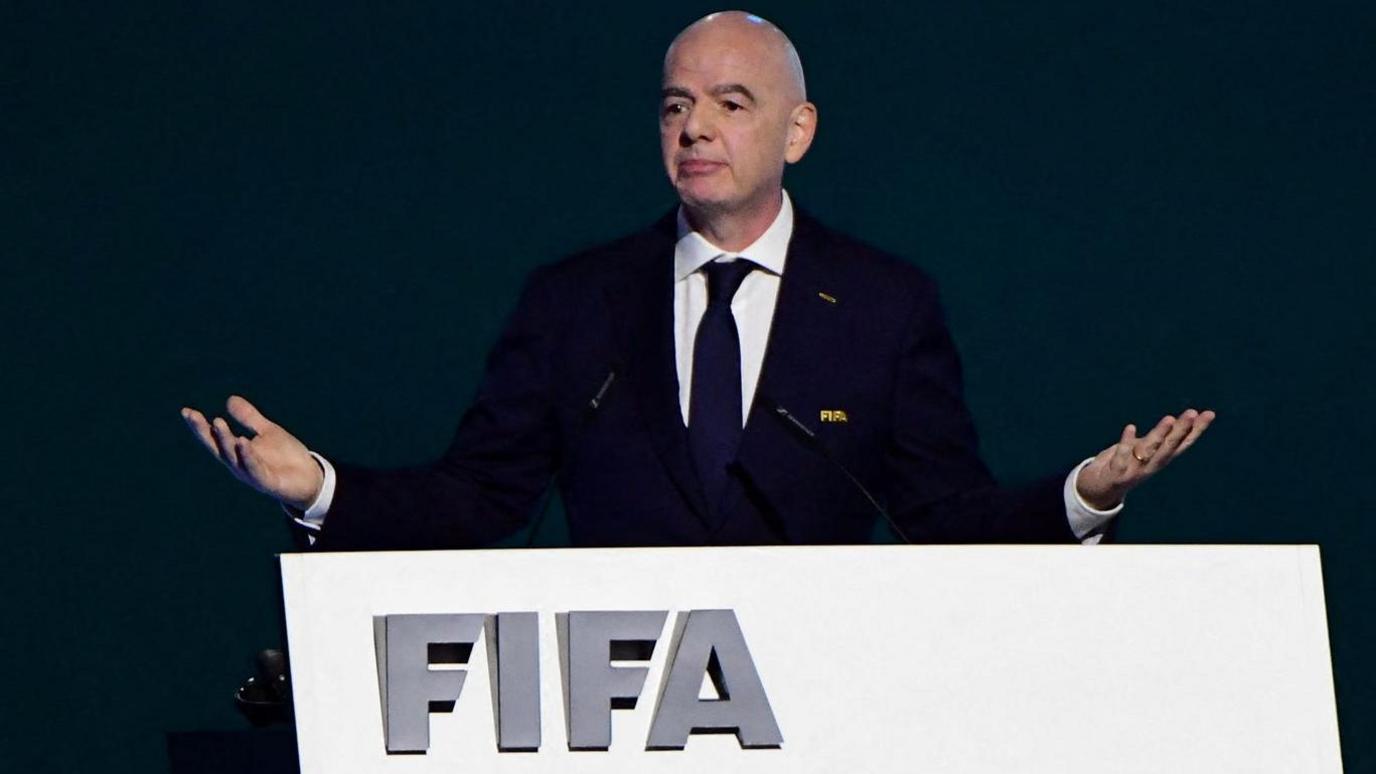
Gianni Infantino, who has chaired FIFA for a decade, is facing unprecedented opposition from football’s governing bodies after his proposal to sell stakes in FIFA competitions through a new subsidiary – FIFA Forward Enterprise – fell into question.
Senior UEFA sources warned that opponents of Infantino were threatening “non‑cooperation” with FIFA unless he steps down, and the European federation has opened legal options, including arbitration and regulatory complaints, to counter what it calls a flawed business plan.
Wales publicly withdrew its letter of support for Infantino’s fourth term, and England’s Football Association is expected to follow suit. This is three of the six national associations that have expressed concerns, while Serbia, Sweden, and Finland have also pulled out, further tightening the pressure on the 56‑year‑old president.
The fallout was triggered by a February announcement from Infantino that Fifa would invite external investors to hold minority, non‑controlling stakes in the FFE. Building on this, he promised member associations a grant of $40m, conditional on backing his plan.
UEFA’s letter to Infantino demands an immediate action to preserve all documents related to the FFE plan, a requirement that includes emails, chats and meeting notes. The letter also stresses that documents be retained up to the September 19 deadline, after which member associations supposedly could access an initial $20m.
If Infantino could not persuade the board to step down, the crisis could force an emergency council meeting. Should 19 of the 37 council members risk the emergency resolution, an extraordinary meeting would be called, potentially compelling Infantino to resign.
Resident FIFA senior official Mattias Grafstrom would be present, but with UEFA’s nine members, AFC’s seven, Concacaf’s five, Africa’s six, Conmebol’s five and Oceania’s three, the power lies heavily on the European side.
Infantino’s main challenger, if he refuses to step down, would require a coalition across the world to unite a successor – a task that may be eased if the European constitution of football releases a clear alternative candidate.
With FIFA under scrutiny once again, the global crisis is a stark reminder that football governance can now be as divided as the sport itself.